How Many Days Do You Need for a Kenya and Tanzania Safari? Choosing the Perfect Itinerary
Planning a safari across Kenya and Tanzania is an exciting opportunity to experience some of Africa’s most remarkable wildlife destinations in one holiday. From the open plains of the Maasai Mara to the vast Serengeti, the elephant landscapes of Amboseli, Tarangire’s baobab scenery and the spectacular Ngorongoro Crater, East Africa offers a wide variety of safari experiences.
One of the most important decisions when planning a combined safari is determining how many days you need.
Some travellers have only five or seven days available, while others can spend ten, twelve or even fourteen days exploring Kenya and Tanzania. The duration of your safari affects the destinations you can visit, the amount of time spent on game drives, the transport arrangements, accommodation costs and the overall pace of your holiday.
A shorter safari can still be rewarding when planned carefully, but a longer itinerary generally provides more flexibility and allows you to experience the destinations without feeling rushed.
This guide explains what you can realistically cover in 5, 7, 10, 12 and 14 days, helping you choose the right Kenya and Tanzania safari duration for your travel plans.
Why Safari Duration Matters When Combining Kenya and Tanzania
Kenya and Tanzania are neighbouring countries, but their major safari destinations are spread across large geographical areas. Visiting several parks involves road transfers, border procedures, accommodation check-ins and sometimes domestic or regional flights.
The more destinations you include, the more time you need to travel between them.
A safari itinerary should not simply count the number of parks visited. It should consider how much time you actually spend enjoying each destination.
Travel Time Versus Wildlife Viewing Time
A safari involves more than arriving at a park and immediately beginning game drives.
Depending on your route, you may need to account for:
- Transfers between Nairobi and safari destinations
- Road travel between national parks
- Border crossing procedures between Kenya and Tanzania
- Vehicle and guide arrangements in each country
- Flights and airport transfers
- Accommodation check-in and check-out
- Rest time after long journeys
An itinerary with too many destinations can leave travellers spending much of their holiday in transit.
For this reason, choosing fewer destinations and spending enough time in each can often provide a better safari experience.
The Advantage of a Longer Safari
A longer safari allows you to explore different wildlife habitats, stay multiple nights in selected parks and travel at a more relaxed pace.
It also provides greater flexibility to choose destinations according to seasonal wildlife movements.
For example, travellers interested in the Great Migration may want to spend more time in the Serengeti or Maasai Mara, depending on the season. Those interested in elephants may prefer additional time in Amboseli or Tarangire.
A longer itinerary makes it easier to prioritise wildlife experiences instead of rushing through a checklist of parks.
Is 5 Days Enough for a Kenya and Tanzania Safari?
A five-day safari across Kenya and Tanzania is possible in selected arrangements, but it is very short for a two-country wildlife holiday.
Travellers should be realistic about what can be covered in five days. A road-based safari combining several major parks in both countries would be too rushed for most visitors.
A five-day itinerary is generally better suited to one country, or to a carefully planned fly-in safari with very limited destinations.
What Can You See in 5 Days?
For a five-day safari, travellers could focus on:
- Maasai Mara alone
- Amboseli and a short additional experience, depending on transport
- Tarangire and Ngorongoro in Tanzania
- A fly-in safari covering selected Kenya and Tanzania destinations, subject to flight connections
Trying to include the Maasai Mara, Serengeti, Amboseli and Ngorongoro in five days would involve too much travel and leave little time for meaningful game drives.
Sample 5-Day Safari: Maasai Mara
A practical five-day Kenya safari could look like this:
Day 1: Arrival in Nairobi and transfer to Maasai Mara, depending on arrival time and transport arrangements.
Day 2: Full-day game drives in Maasai Mara.
Day 3: Additional game drives and wildlife exploration.
Day 4: Morning game drive and relaxation at camp, depending on the itinerary.
Day 5: Return to Nairobi for onward departure.
This option gives travellers a more focused safari experience without the complexity of an international border crossing.
For travellers determined to visit both Kenya and Tanzania within five days, a fly-in itinerary may be considered, but availability, flight routing, costs and actual time in the parks must be carefully evaluated.
Is 7 Days Enough for a Kenya and Tanzania Safari?
Seven days is one of the more popular durations for travellers who want to experience Kenya and Tanzania within a limited holiday period.
It can be done, but the itinerary needs to be selective.
A seven-day safari works best when you choose a small number of destinations and carefully organise transport. Road transfers across the two countries can take up substantial time, so flights may be useful for certain routes.
What Can You Cover in 7 Days?
Depending on the route, a seven-day itinerary may include:
- Maasai Mara and Serengeti
- Amboseli and Tarangire
- Serengeti and Ngorongoro with an appropriate starting point
- A selected Kenya destination and one Tanzania destination using flights
You should avoid trying to include every major park in both countries.
Sample 7-Day Kenya and Tanzania Safari
Day 1: Arrival in Nairobi.
Day 2: Nairobi to Maasai Mara and afternoon game drive, depending on arrival time.
Day 3: Full-day game drives in Maasai Mara.
Day 4: Transfer towards Tanzania using the selected border route and onward transport arrangements.
Day 5: Serengeti game drives.
Day 6: Serengeti safari and onward travel towards the Ngorongoro area, depending on the itinerary.
Day 7: Ngorongoro Crater visit and departure transfer, if flight timing allows.
This itinerary is compact and requires careful coordination. Depending on the actual transport route, it may be preferable to remove one destination or use flights to make the safari more comfortable.
Travellers who want a more relaxed experience should consider extending the trip to nine or ten days.
Is 10 Days Ideal for a Kenya and Tanzania Safari?
For many travellers, ten days is a good balance between available holiday time, wildlife experiences and destination variety.
It allows you to visit selected destinations in both countries without making every day a transfer day.
A ten-day safari can include the Maasai Mara, Serengeti and Ngorongoro, with sufficient time to enjoy game drives in the main destinations.
What Can You Cover in 10 Days?
A well-planned ten-day safari may include:
- Nairobi
- Maasai Mara
- Serengeti
- Ngorongoro Crater
- Arusha
Alternatively, travellers can choose Amboseli, Tarangire and Ngorongoro, depending on their wildlife interests and preferred route.
Sample 10-Day Kenya and Tanzania Safari
Day 1: Arrival in Nairobi and overnight stay.
Day 2: Nairobi to Maasai Mara.
Day 3: Full-day game drives in Maasai Mara.
Day 4: Additional Maasai Mara game drives.
Day 5: Travel and border arrangements into Tanzania, followed by onward transfer depending on the selected route.
Day 6: Serengeti game drives.
Day 7: Full-day safari in Serengeti.
Day 8: Serengeti to Ngorongoro area.
Day 9: Ngorongoro Crater safari.
Day 10: Transfer to Arusha or Kilimanjaro Airport.
This route gives travellers time in the Maasai Mara and Serengeti while also including Ngorongoro. However, the precise number of game-drive hours depends on accommodation location, road conditions and border logistics.
Ten days is particularly attractive for travellers visiting East Africa for the first time who want to experience both countries without committing to a two-week holiday.
Is 12 Days Enough for a Kenya and Tanzania Safari?
Twelve days provides more flexibility and is a very good option for travellers who want a wider safari experience.
You can combine more destinations, spend additional nights in selected parks and reduce the pressure of moving every day.
What Can You Cover in 12 Days?
A twelve-day safari may include:
- Nairobi
- Amboseli
- Tarangire
- Serengeti
- Ngorongoro Crater
Alternatively, you could include the Maasai Mara, Serengeti and Ngorongoro, with extra nights in the wildlife areas that interest you most.
Sample 12-Day Amboseli and Tanzania Safari
Day 1: Arrival in Nairobi.
Day 2: Nairobi to Amboseli.
Day 3: Full-day game drives in Amboseli.
Day 4: Amboseli to Arusha via Namanga border.
Day 5: Tarangire National Park game drives.
Day 6: Additional Tarangire safari or onward travel, depending on accommodation and route.
Day 7: Travel to Serengeti.
Day 8: Full-day game drives in Serengeti.
Day 9: Additional Serengeti safari.
Day 10: Serengeti to Ngorongoro area.
Day 11: Ngorongoro Crater safari.
Day 12: Transfer towards Arusha or Kilimanjaro Airport.
This itinerary offers a more comprehensive experience of southern Kenya and northern Tanzania.
Travellers can also replace Amboseli with the Maasai Mara, depending on their interests, travel season and preferred border route.
Is 14 Days the Best Duration for a Kenya and Tanzania Safari?
A fourteen-day safari is ideal for travellers who want to explore East Africa in greater depth.
It offers enough time to combine several destinations while allowing the safari to feel like a holiday rather than a series of long transfers.
With fourteen days, travellers can spend additional nights in the Maasai Mara or Serengeti, include another park or build a slower itinerary around accommodation and wildlife experiences.
What Can You Cover in 14 Days?
A fourteen-day safari could include:
- Nairobi
- Maasai Mara
- Amboseli
- Tarangire
- Serengeti
- Ngorongoro Crater
However, including all these destinations requires careful routing. Depending on whether you travel by road or air, it may be better to select four or five destinations rather than trying to visit everything.
Sample 14-Day Kenya and Tanzania Safari
Day 1: Arrival in Nairobi.
Day 2: Nairobi to Maasai Mara.
Day 3: Full-day game drives in Maasai Mara.
Day 4: Additional Maasai Mara safari.
Day 5: Travel and border arrangements into Tanzania.
Day 6: Serengeti game drives.
Day 7: Full-day Serengeti safari.
Day 8: Additional Serengeti wildlife exploration.
Day 9: Serengeti to Ngorongoro area.
Day 10: Ngorongoro Crater safari.
Day 11: Travel towards Tarangire.
Day 12: Tarangire game drives.
Day 13: Additional Tarangire safari or transfer towards Arusha.
Day 14: Departure from Arusha or Kilimanjaro Airport.
This route offers a broad wildlife experience across Kenya and Tanzania, but it should be adjusted according to flight schedules, accommodation locations and road conditions.
For travellers who prefer Amboseli instead of Maasai Mara, a different route can be designed around Namanga, Arusha and the northern Tanzania circuit.
Kenya and Tanzania Safari Duration Comparison
The best duration depends on your budget, available holiday time and preferred safari experience.
| Safari duration | Destinations possible | Best suited for |
|---|---|---|
| 5 days | One main wildlife destination or a very limited fly-in combination | Short holidays |
| 7 days | Two or three selected destinations with carefully planned transport | Travellers with limited time |
| 10 days | Maasai Mara, Serengeti and Ngorongoro, depending on route | First-time East Africa visitors |
| 12 days | Several parks with a more balanced pace | Wildlife enthusiasts and couples |
| 14 days | A broader safari across Kenya and Tanzania | Travellers seeking a comprehensive experience |
The number of destinations should always be balanced against the amount of time available for game drives.
A safari that visits fewer parks but allows several meaningful wildlife experiences in each can be more enjoyable than one that attempts to cover every famous destination.
Which Parks Should You Prioritise?
Choosing your destinations is one of the most important steps in determining the duration of your safari.
Choose Maasai Mara if You Want Big Cats and Migration Experiences
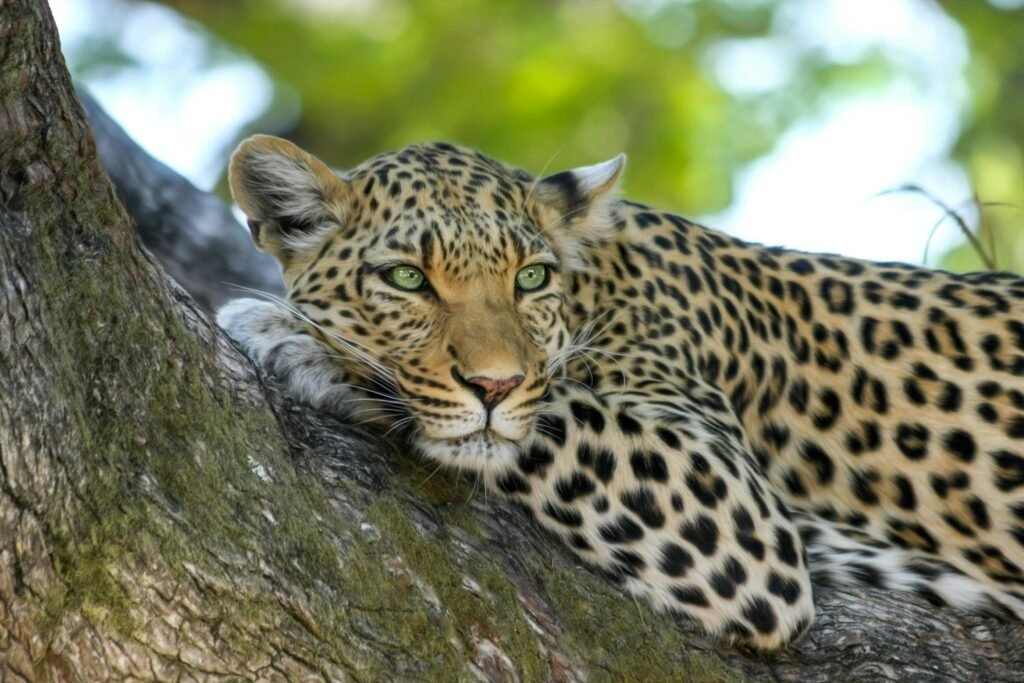
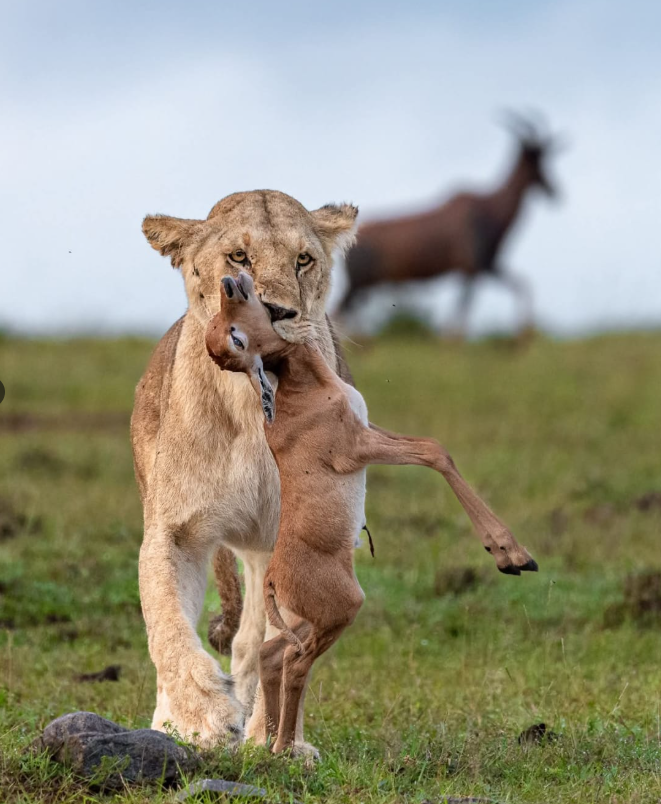
The Maasai Mara is particularly attractive to travellers interested in open grasslands, big cats and the seasonal movement of wildebeest and zebra.
It can be combined with Serengeti for a broader migration-focused safari, although migration timing and sightings vary.
Choose Amboseli if Elephants and Kilimanjaro Views Are a Priority
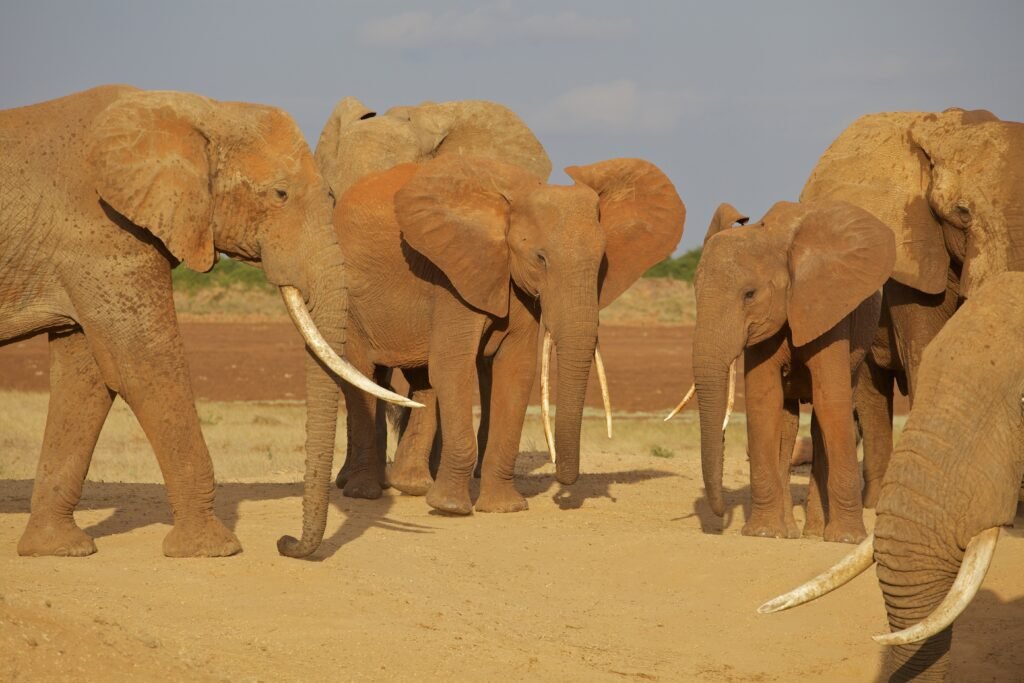
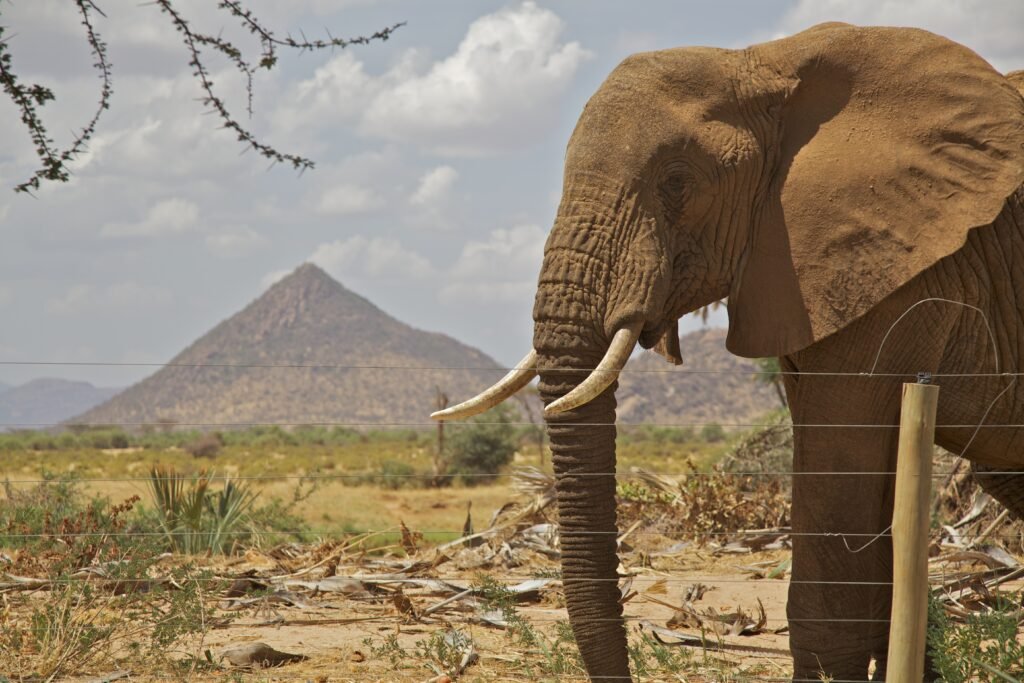
Amboseli is known for elephant encounters and scenic views of Mount Kilimanjaro when weather conditions permit.
It is a good option for photographers, wildlife enthusiasts and travellers who want a distinctive landscape.
Choose Serengeti for Vast Wildlife Landscapes
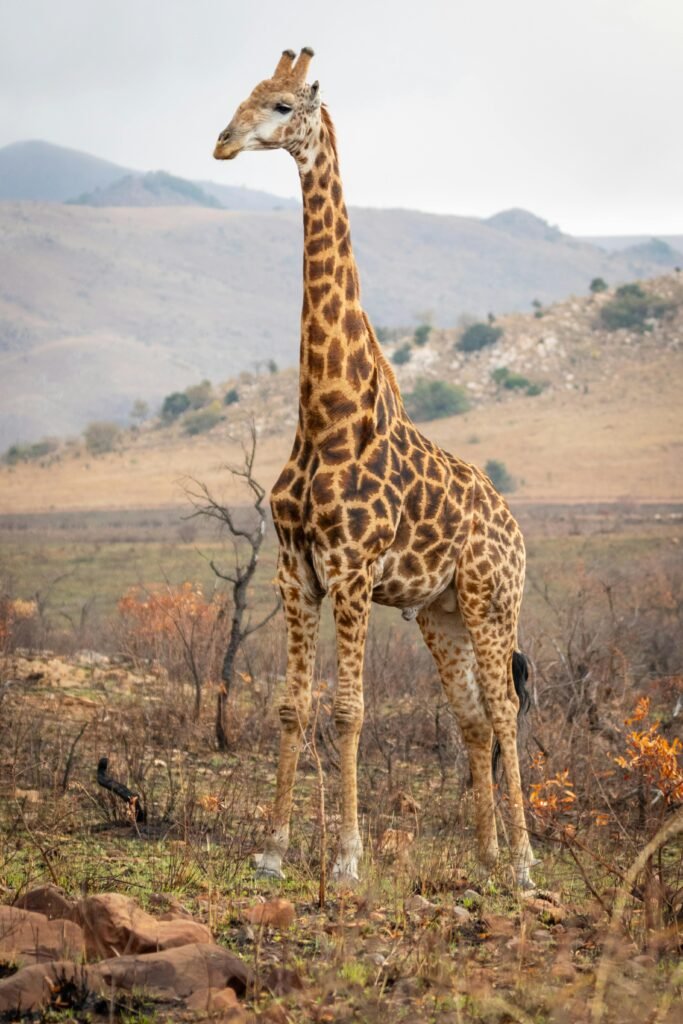
The Serengeti is suitable for travellers who want to explore extensive wildlife habitats and different regions of Tanzania’s most famous safari ecosystem.
The region visited should be selected according to travel dates and wildlife interests.
Choose Ngorongoro for a Unique Crater Safari
Ngorongoro offers a different safari environment, with a crater landscape and diverse wildlife habitats.
It is often a strong addition to Serengeti itineraries.
Choose Tarangire for Elephants and Baobab Scenery
Tarangire is an excellent option for travellers interested in elephants, distinctive landscapes and seasonal wildlife viewing.
It can complement Amboseli particularly well, although both destinations should be included only when the route and available time make sense.
Road Safari or Fly-In Safari: Which Saves More Time?
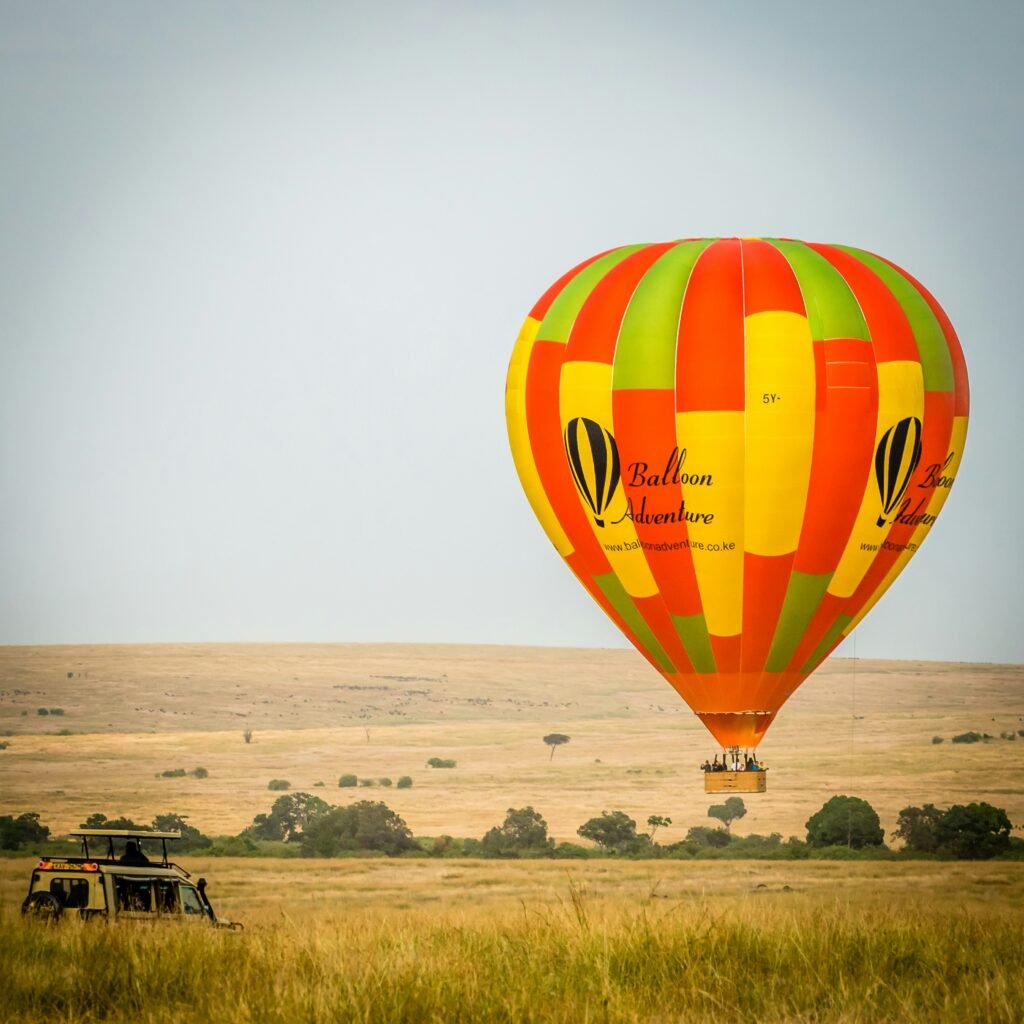
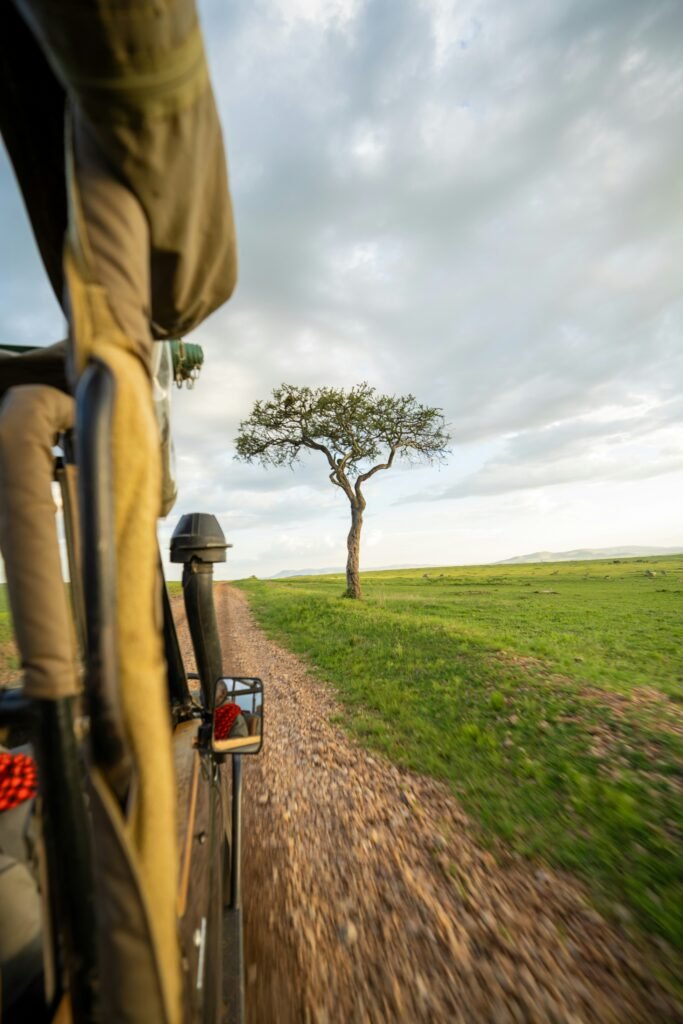
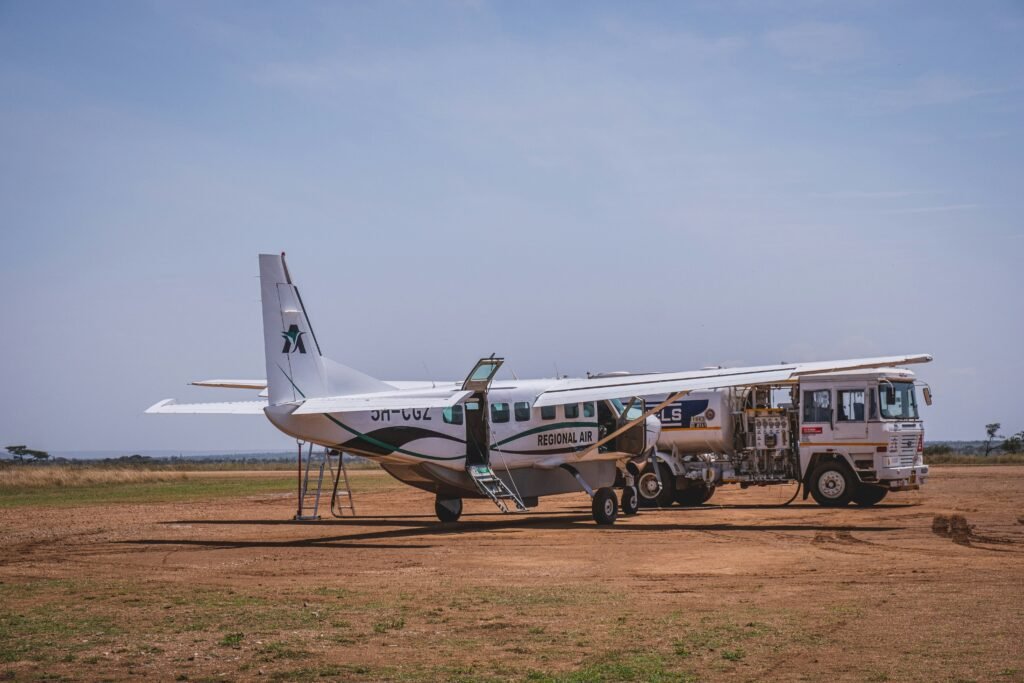
Transport arrangements can significantly influence the number of destinations you can visit.
Road Safaris
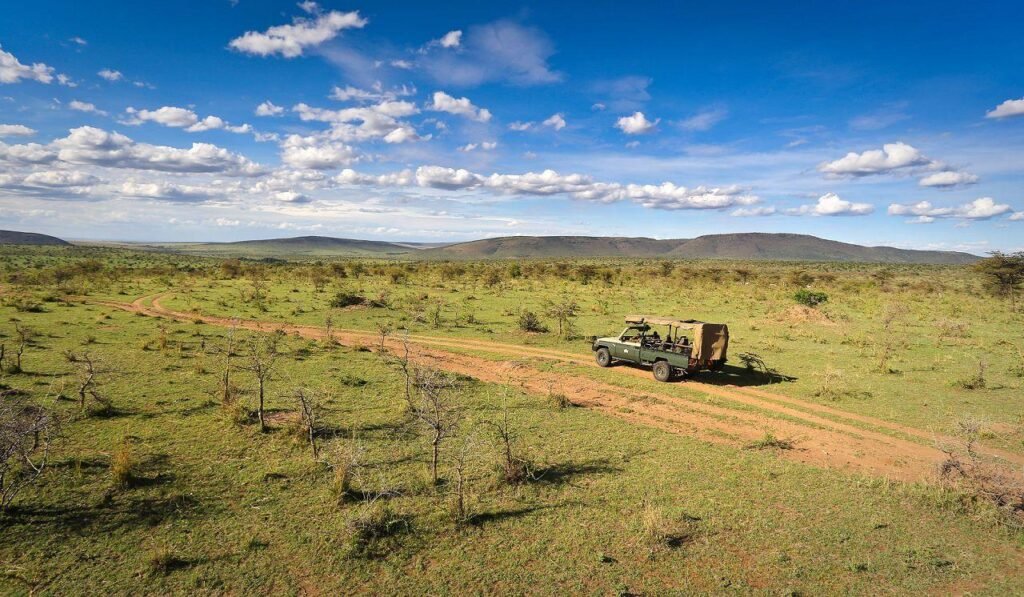
Road safaris are popular because they offer flexibility and can be more economical depending on the route and group size.
They allow travellers to experience landscapes along the journey and can be suitable for itineraries that connect destinations naturally.
However, some road transfers can be long, especially when combining Kenya and Tanzania.
Fly-In Safaris
Fly-in safaris use scheduled or charter flights to connect safari destinations.
They can reduce time spent travelling by road and allow travellers to spend more time in wildlife areas.
Fly-in safaris are particularly useful for:
- Short holidays
- Luxury safari travellers
- Honeymooners
- Travellers who prefer to avoid lengthy road transfers
- Itineraries involving remote safari camps
Flights may increase the total safari cost, and schedules, baggage restrictions and airstrip locations must be considered.
Combining Road and Air Travel
Many itineraries work well with a combination of road and air travel.
For example, travellers may drive from Nairobi to Amboseli, cross into Tanzania through Namanga, then use flights for selected safari connections.
Alternatively, the Maasai Mara may be explored by road or air before continuing to Tanzania through an appropriate connection.
The best transport arrangement depends on your preferred destinations and how much time you have available.
How Safari Duration Affects Your Budget
The number of days you spend on safari directly affects the cost.
However, the relationship between duration and price is not simply the number of days multiplied by a fixed amount. Several factors influence the total quotation.
Accommodation Costs
Every additional night adds accommodation costs.
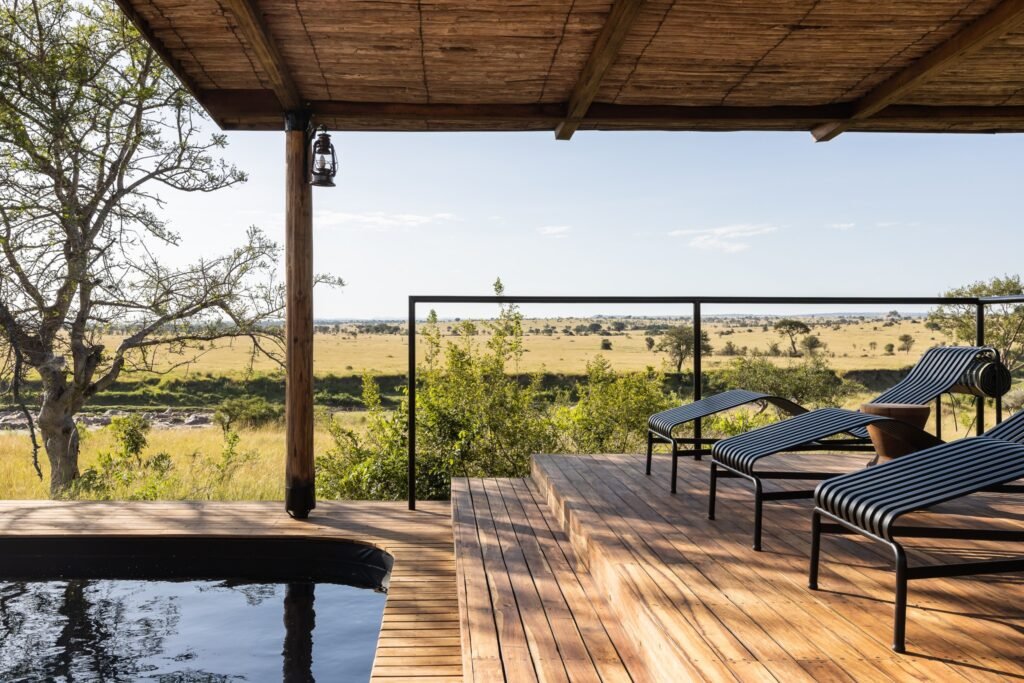
Budget camps, mid-range lodges and luxury tented camps have different rates, and seasonal prices can vary significantly.
Park Fees
Park entry and conservation charges depend on the destinations visited and the number of days spent in the relevant parks.
Adding destinations can increase costs even when the total safari duration remains the same.
Transport Costs
Road safaris involve vehicle, guide, fuel and operational expenses.
Fly-in safaris involve flight costs, which can be significant depending on the destinations and routing.
Border Transfers
A combined Kenya and Tanzania safari requires appropriate cross-border arrangements.
Vehicle handovers, transfers and operational logistics should be considered when preparing the quotation.
Longer Safaris Can Offer Better Value
A longer safari may provide better overall value when travellers have more time to enjoy the destinations.
Rather than spending money on multiple transfers and rushing through parks, additional nights can be used for more game drives, relaxing at camps and exploring wildlife areas at a comfortable pace.
Travellers who have flexible dates and accommodation preferences may be able to adjust their safari to suit their budget.
How to Avoid Rushing Your Kenya and Tanzania Safari
A well-planned safari should balance wildlife experiences, transfers, accommodation and rest.
Here are some important planning considerations.
Avoid Visiting Too Many Parks
It can be tempting to include every famous destination, but each park requires time to reach and explore.
Choose the destinations that best match your interests rather than trying to cover everything.
Allow Enough Time for Border Crossings
Kenya and Tanzania itineraries require international immigration procedures and appropriate transport arrangements.
Border crossing days should not be treated as full game-drive days.
Spend More Nights in Your Priority Destinations
If wildlife photography, migration viewing or elephants are your main interests, allocate additional nights to the destinations most likely to provide the experience you want.
Choose Accommodation According to Location
Accommodation located conveniently for your intended game drives can reduce travel time and make your safari more comfortable.
Consider Flights for Long Transfers
Flights can make short safaris more practical, particularly when connecting distant wildlife destinations.
Plan Around Your Departure Airport
Your final destination should be selected according to your departure airport and flight schedule.
Allow enough time for transfers and airport procedures, particularly after a crater game drive or long road journey.
Which Kenya and Tanzania Safari Duration Is Best for You?
The best duration depends on your personal travel priorities.
Choose 5 days if you have a very short holiday and prefer one main wildlife destination rather than a rushed two-country safari.
Choose 7 days if you want a compact safari with selected destinations and are comfortable with carefully planned transfers or flights.
Choose 10 days if you want to combine Kenya and Tanzania with a reasonably balanced wildlife experience.
Choose 12 days if you want additional wildlife destinations and more time for game drives.
Choose 14 days if you want a broader East African safari with a more relaxed pace and greater flexibility.
For many international travellers, ten to fourteen days offers the best opportunity to explore Kenya and Tanzania comfortably. However, a well-designed shorter itinerary can still be rewarding when the route is carefully selected.
Frequently Asked Questions
Is 7 days enough for Kenya and Tanzania?
Seven days can be enough for a compact combined safari, particularly when flights are used and only a few destinations are selected. It is not ideal for visiting many parks in both countries.
Is 10 days enough for Maasai Mara, Serengeti and Ngorongoro?
Yes, ten days can accommodate these destinations in a carefully planned itinerary. The route should account for travel and border arrangements, and the number of game-drive days depends on transport and accommodation locations.
Is 14 days too long for a safari?
No. Fourteen days can provide an excellent opportunity to explore different parks, spend more time on game drives and travel at a relaxed pace. It is particularly suitable for wildlife enthusiasts and travellers visiting East Africa for the first time.
Can I visit Amboseli, Serengeti and Ngorongoro in 7 days?
It may be possible with carefully arranged transport, but it would be a compact itinerary with significant travel time. Extending to nine or more days would generally provide a more comfortable experience.
Which is better, a 10-day or 14-day safari?
A ten-day safari is suitable for travellers who want to experience major wildlife destinations within a limited holiday. A fourteen-day safari offers more flexibility, additional wildlife time and the opportunity to include more destinations or rest days.
Does a longer safari increase the chances of seeing wildlife?
Spending more time in wildlife areas gives you more opportunities to observe animals and different behaviours. However, wildlife sightings are never guaranteed, and longer safaris do not guarantee encounters with particular species.
Can I combine a Kenya safari with Zanzibar?
Yes. A Kenya and Tanzania safari can be combined with Zanzibar, depending on flight connections and the itinerary. Travellers often choose a beach extension after completing their wildlife safari.
Can I start my safari in Nairobi and finish in Tanzania?
Yes. Many combined safari itineraries begin in Nairobi and finish in Arusha or Kilimanjaro, depending on the route, border arrangements and departure flights.
Can I customise my safari duration?
Yes. Safari duration can be adjusted according to travel dates, preferred destinations, accommodation standards, transport arrangements, budget and the wildlife experiences you want to prioritise.
Plan the Right Kenya and Tanzania Safari for Your Holiday
Choosing the right safari duration is one of the most important decisions when planning a Kenya and Tanzania wildlife holiday.
Five or seven days may work for travellers with limited time, while ten, twelve or fourteen days provide more flexibility to combine destinations and enjoy game drives without rushing.
The best itinerary is not necessarily the longest or the one visiting the most parks. It is the one that matches your travel time, wildlife interests, accommodation preferences, budget and pace.
Whether you want to explore the Maasai Mara and Serengeti, combine Amboseli with Tarangire and Ngorongoro, or include several destinations across both countries, a customised safari can help make the most of your time in East Africa.
Explore our Kenya and Tanzania safari packages or request a customised Africa safari tailored to your travel dates and preferred experiences.