Kenya to Tanzania Safari: Border Crossings, Transport and Travel Planning
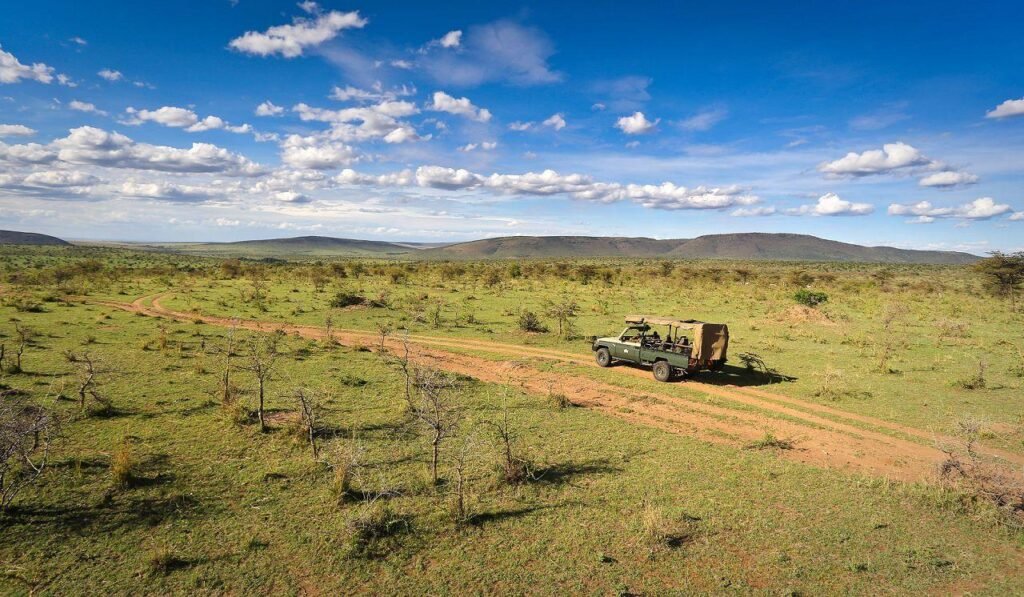
Planning a safari that covers both Kenya and Tanzania is one of the best ways to experience East Africa’s wildlife, landscapes, cultures and safari destinations. From the Amboseli plains with views of Mount Kilimanjaro to the Serengeti grasslands and Ngorongoro Crater, combining the two countries allows travellers to explore a wider range of wildlife experiences within one holiday.
However, a Kenya to Tanzania safari requires more than simply choosing parks and accommodation. Travellers need to consider international border crossings, immigration requirements, safari vehicle arrangements, road transfers, domestic flights and the time needed to move between destinations.
Understanding these logistics before booking helps make the journey more comfortable, realistic and enjoyable.
Why Combine Kenya and Tanzania in One Safari?
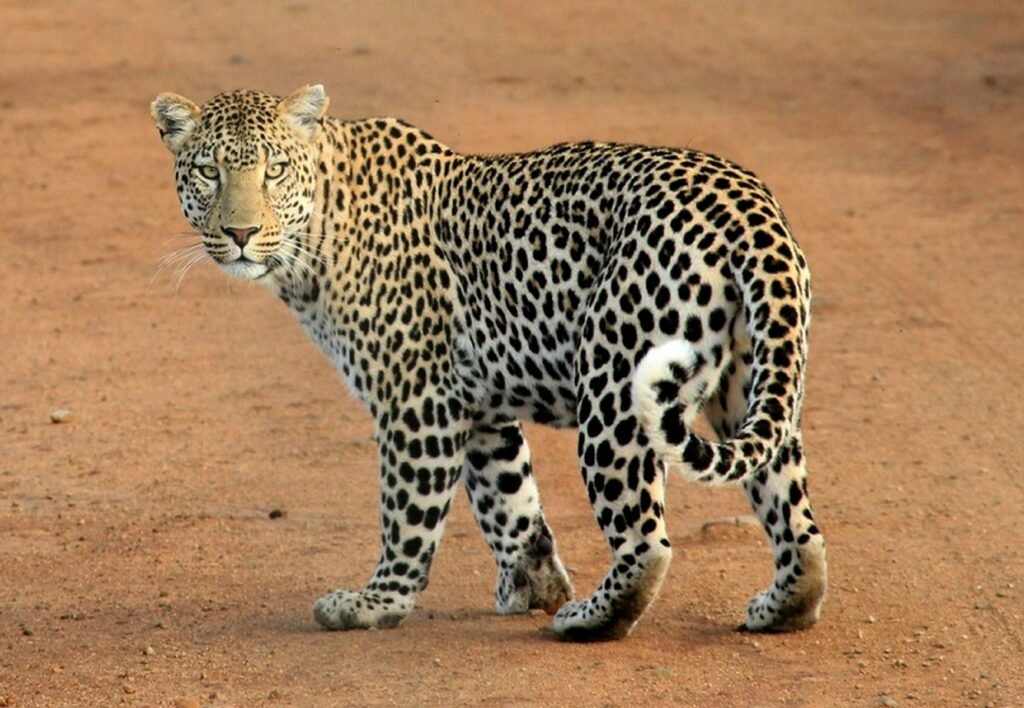
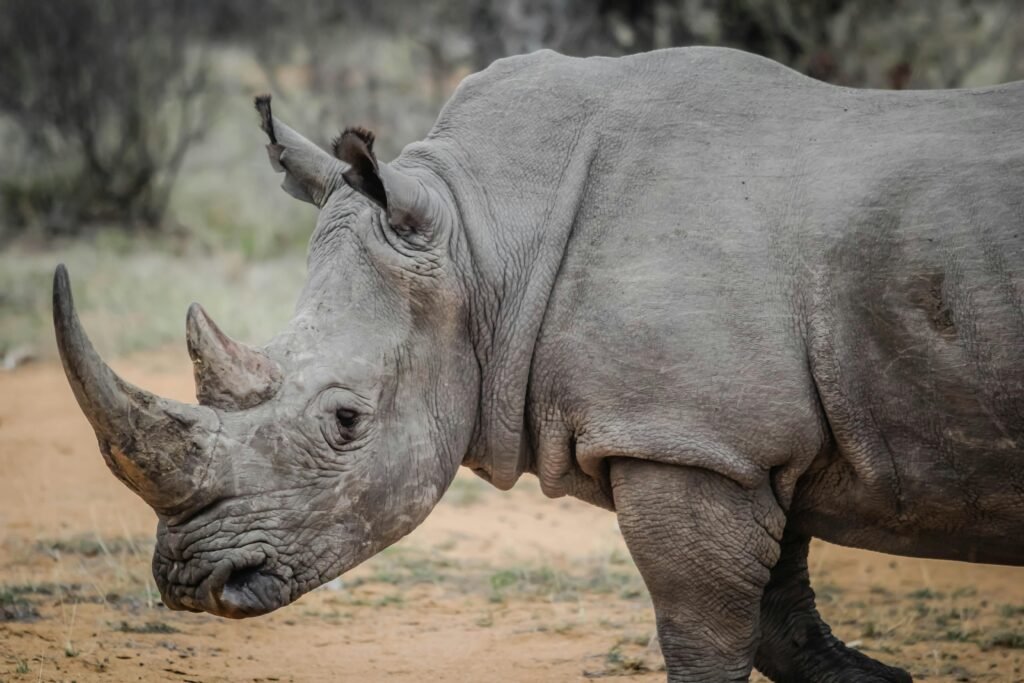
Kenya and Tanzania share some of East Africa’s most iconic wildlife ecosystems, but each country offers a different safari experience.
Kenya is particularly popular for destinations such as Maasai Mara, Amboseli, Lake Nakuru and other wildlife areas. Tanzania offers exceptional experiences in Tarangire National Park, Serengeti National Park, Ngorongoro Conservation Area and other northern safari destinations.
Combining the two countries allows travellers to enjoy:
- Different wildlife habitats and landscapes
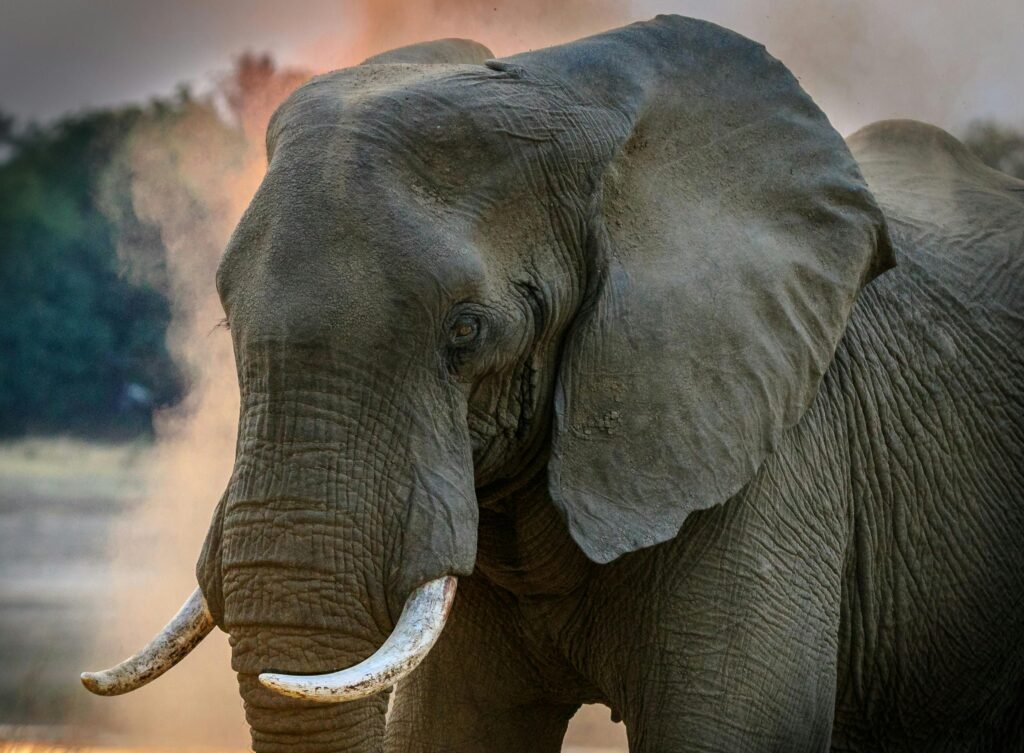
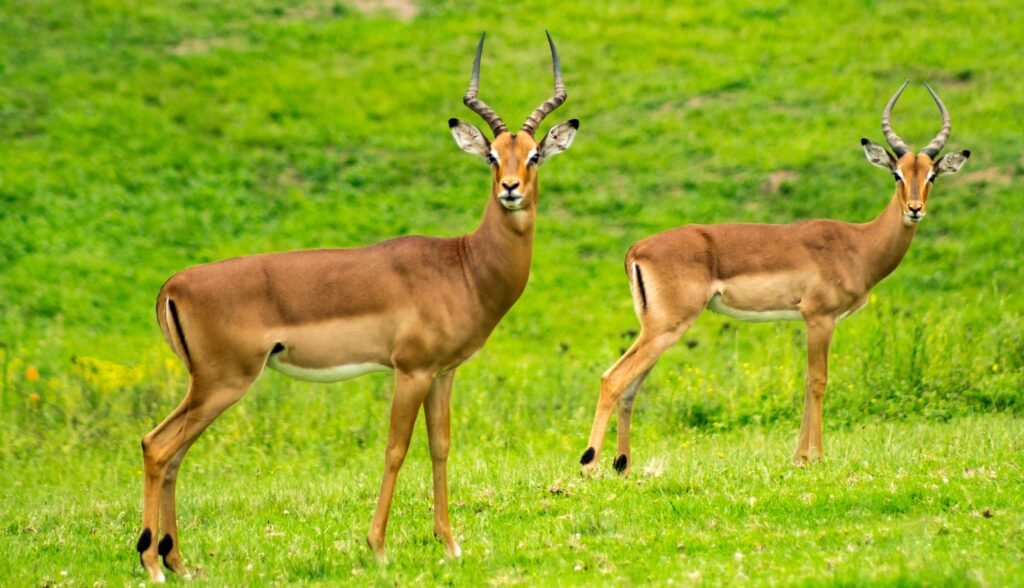
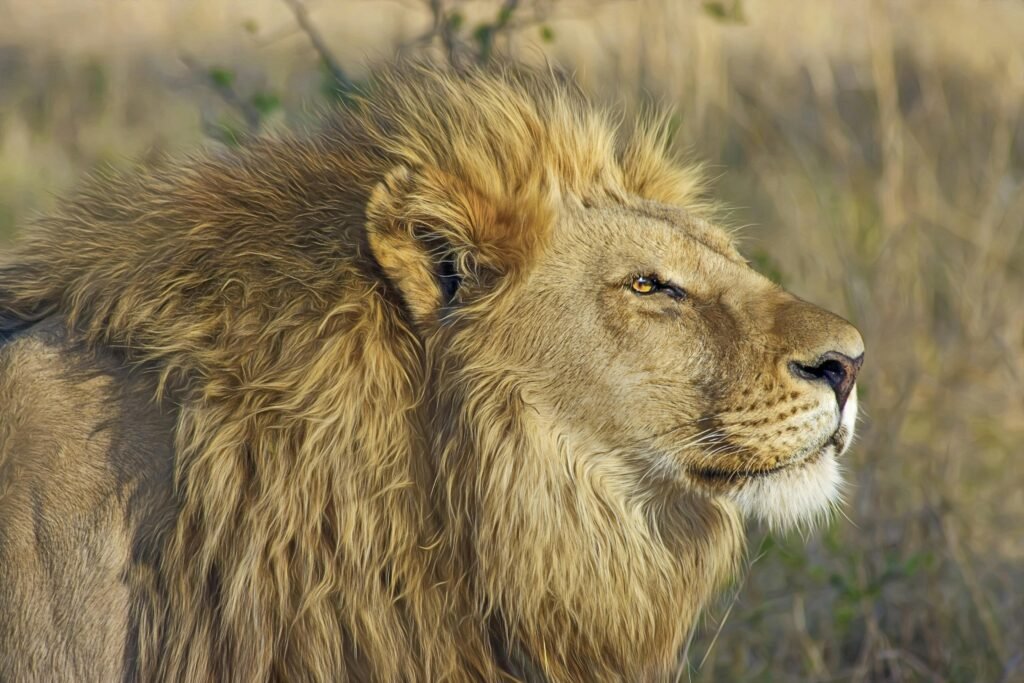
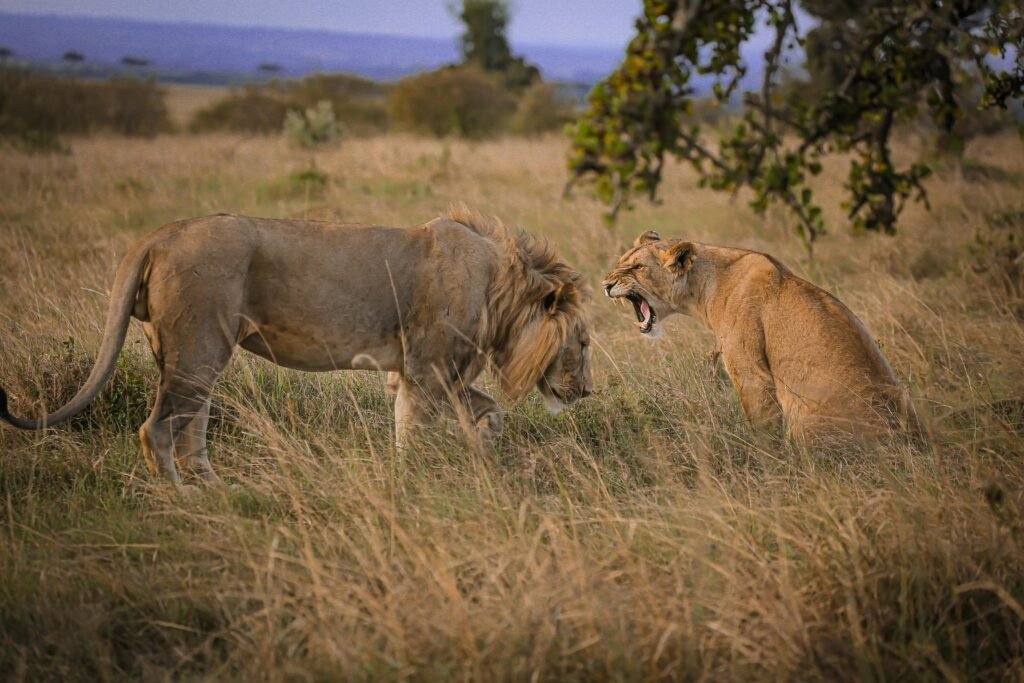
- More opportunities to encounter elephants, lions, giraffes, zebras and other wildlife
- The Maasai Mara and Serengeti within the same holiday
- Mount Kilimanjaro views from selected locations in Kenya
- A wider choice of safari lodges, tented camps and accommodation styles
- A more diverse East African holiday
Travellers planning a combined safari can explore available routes on our Kenya and Tanzania safari packages page.
Kenya and Tanzania Border Crossings Used for Safaris
Kenya and Tanzania have several official border crossing points. The crossing selected for a safari depends on the parks being visited, the direction of travel, the accommodation arrangements and the overall itinerary.
Three crossings are particularly relevant to safari planning.
1. Namanga Border Crossing
Namanga is one of the main road connections between Kenya and Tanzania. It is commonly used for itineraries connecting Nairobi, Amboseli, Arusha and Tanzania’s northern safari circuit.
This crossing is especially useful when the itinerary includes:
- Nairobi
- Amboseli National Park
- Arusha
- Tarangire National Park
- Lake Manyara
- Ngorongoro Conservation Area
- Serengeti National Park
For travellers beginning in Nairobi and visiting Amboseli before continuing into Tanzania, Namanga often makes geographical sense.
The route can be arranged in either direction, depending on the safari’s starting and ending points.
2. Isebania–Sirari Border Crossing
Isebania on the Kenyan side and Sirari on the Tanzanian side are important for travellers combining the Maasai Mara with the Serengeti.
The crossing is particularly useful for itineraries involving:
- Maasai Mara National Reserve
- Serengeti National Park
- Northern Serengeti
- Migration-focused safari routes
Although the Maasai Mara and Serengeti are part of a wider wildlife ecosystem, there is no ordinary tourist gate allowing visitors to move directly from one park into the other. Travellers must use an official border crossing and arrange the appropriate road transfer or onward transport.
Isebania–Sirari is one of the key routes used for this type of cross-border safari.
3. Taveta–Holili Border Crossing
The Taveta–Holili crossing is another Kenya–Tanzania connection that may be relevant to itineraries involving parts of southeastern Kenya and northern Tanzania.
It can be considered when planning routes involving areas around Tsavo, the Taita region, Moshi and other destinations, depending on the itinerary.
The most suitable crossing should always be selected based on the actual safari route rather than simply choosing the border that appears closest on a map.
Kenya’s official border listings include Namanga, Isebania, Taveta and other Kenya–Tanzania crossing points. The East African Community also lists designated one-stop border posts between the two countries.
What Happens When You Cross the Kenya–Tanzania Border?
For most travellers, the border crossing is a planned part of the safari transfer day.
Depending on the crossing and the arrangements in place, the process generally involves completing immigration formalities for the country you are leaving and entry procedures for the country you are entering.
Travellers should expect to present their travel documents and complete the necessary immigration procedures.
Your safari operator should explain the arrangements before the journey, including where you will stop, which vehicle you will use after crossing and who will assist with the transfer.
Border delays may occur due to passenger traffic, official procedures or other circumstances. It is therefore advisable to avoid planning a tight connection immediately after an international road crossing.
Documents Required for a Kenya and Tanzania Safari
Travel documents are an important part of planning a cross-border safari.
Before travelling, confirm the requirements applicable to your nationality and travel dates.
Common documents and requirements may include:
- A valid passport
- Appropriate visa or entry authorization for Kenya, where required
- Appropriate visa or entry authorization for Tanzania, where required
- Any health documentation required under current travel regulations
- Safari booking confirmations and accommodation details
- Travel insurance documents
Visa requirements differ according to nationality, and immigration rules can change. Travellers should check the latest information from the official immigration authorities of Kenya and Tanzania before departure rather than relying solely on information from older travel articles.
It is advisable to arrange the necessary entry documents before travelling to the border.
Will You Change Safari Vehicles When Crossing the Border?
One of the most important questions travellers ask when planning a Kenya and Tanzania safari is whether they will use the same safari vehicle throughout the trip.
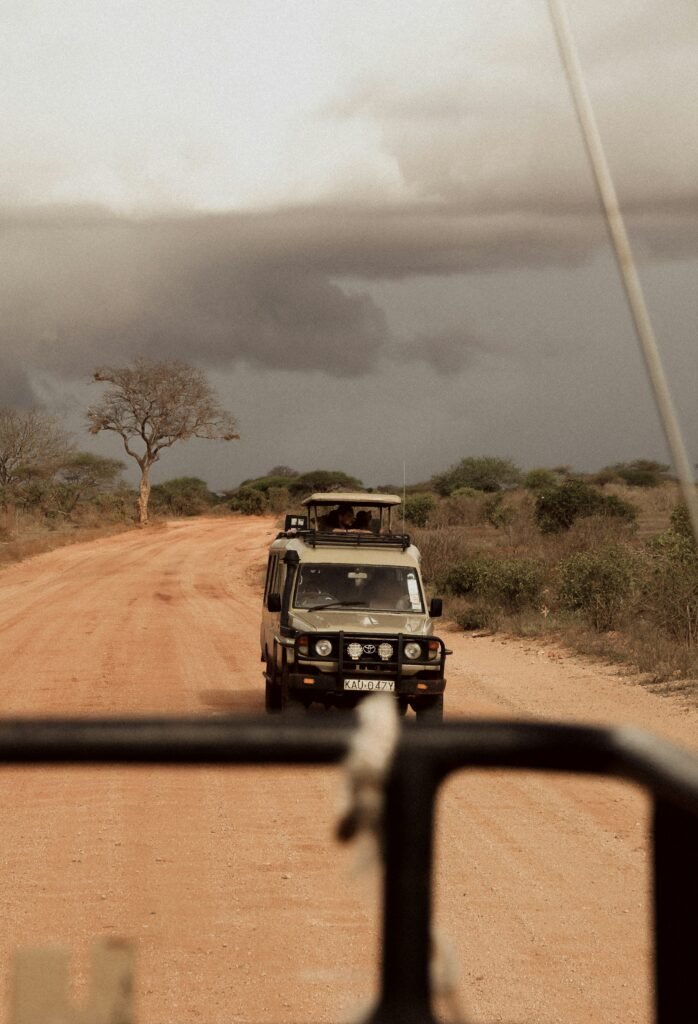
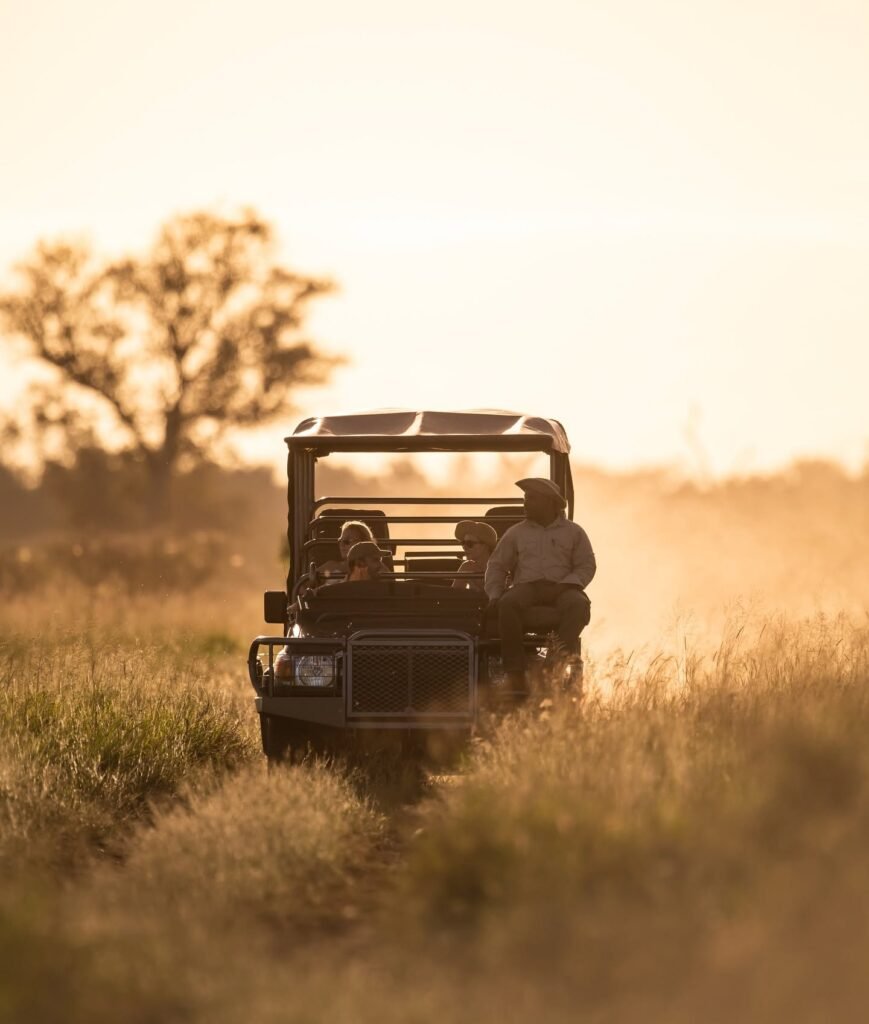
In many cross-border safari arrangements, travellers change vehicles and guides at the border or at an agreed transfer point. This is because safari operators often use vehicles and guides licensed and equipped to operate within their respective countries.
A typical arrangement may look like this:
- Your Kenyan safari guide picks you up and takes you through the Kenyan safari itinerary.
- You travel to the designated border crossing.
- You complete the immigration procedures.
- Your Tanzanian safari guide or transfer team meets you on the other side.
- You continue with the Tanzania safari in the appropriate vehicle.
This arrangement is common in many cross-border itineraries, although the exact logistics depend on the safari operator and the transport arrangements confirmed for your trip.
Before booking, ask whether the vehicle change will take place at the border, whether luggage will be transferred for you and whether the itinerary includes a private vehicle throughout each country’s safari portion.
Road Safari or Fly-In Safari: Which Is Better?
There are two main ways to travel between safari destinations in Kenya and Tanzania: road transfers and flights.
Road Safaris
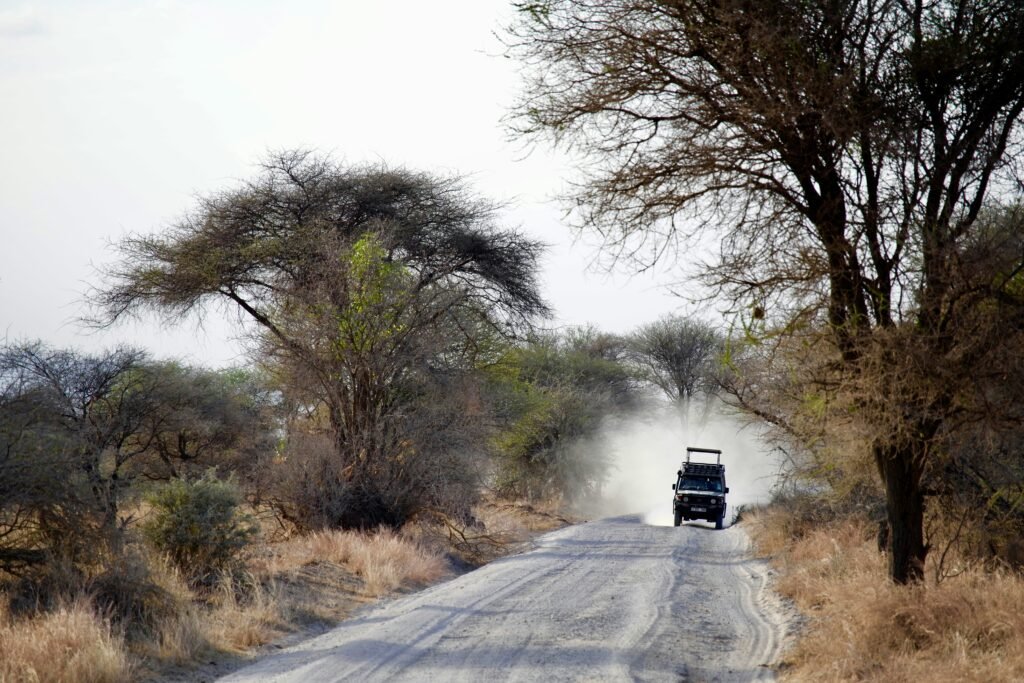
Road safaris are popular with travellers who want to experience the landscape between destinations and have a more continuous overland journey.
Advantages include:
- Opportunity to see changing landscapes
- Flexibility for customised itineraries
- Potentially more economical travel arrangements
- A scenic experience between safari regions
- Greater flexibility when combining several destinations
However, road transfers may take considerable time, depending on the distance, road conditions, border procedures and weather.
It is important to avoid scheduling too many parks within a short holiday simply because they appear close together on a map.
Fly-In Safaris
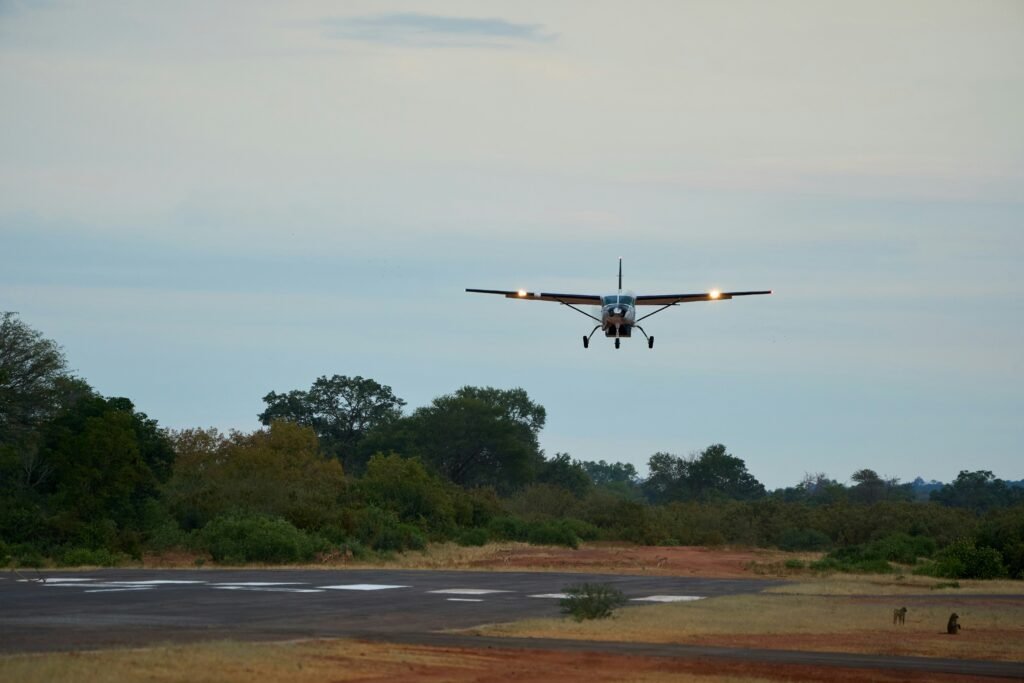
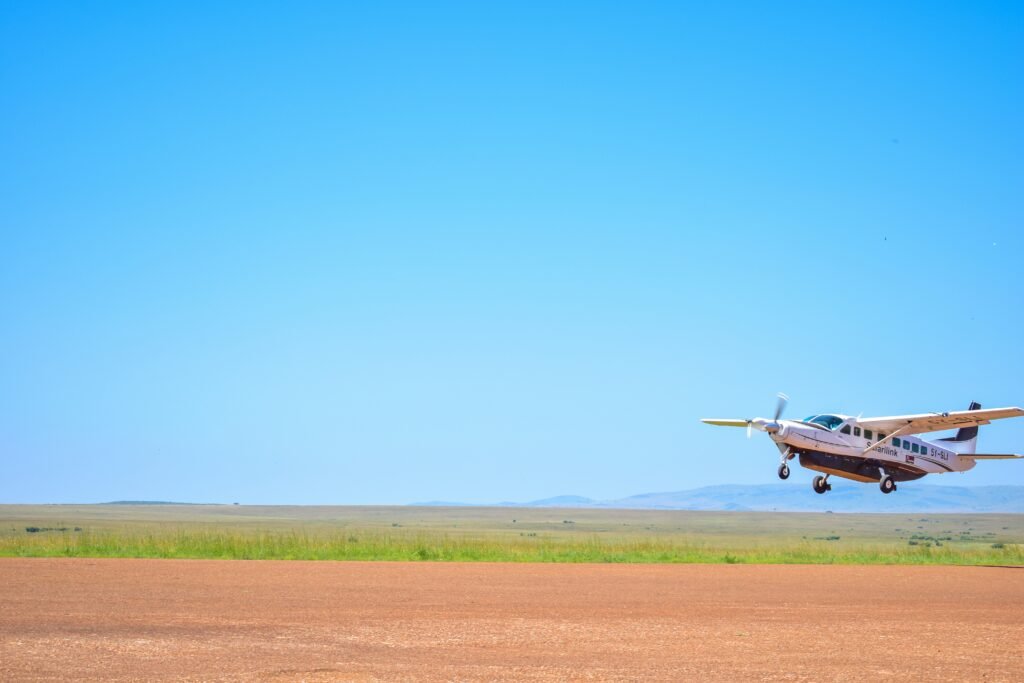
Fly-in safaris are ideal for travellers who want to reduce long road transfers or have limited time.
Flights can connect selected safari destinations, allowing visitors to spend more time in wildlife areas and less time travelling by road.
Fly-in safaris may be especially suitable for:
- Luxury safari holidays
- Honeymoon safaris
- Travellers with limited holiday time
- Visitors seeking a more relaxed travel experience
- Guests combining remote safari camps
However, flights may increase the overall cost of the safari, and baggage restrictions on small aircraft can be different from those on international flights.
Travellers should confirm baggage allowances and luggage requirements before packing.
Popular Kenya to Tanzania Safari Routes
The best route depends on the wildlife destinations you wish to visit and the number of days available.
Route 1: Nairobi, Amboseli and Northern Tanzania
This route is ideal for travellers who want to experience Amboseli’s elephants and Kilimanjaro views before exploring Tanzania.
A possible itinerary may include:
- Nairobi
- Amboseli National Park
- Namanga border crossing
- Arusha
- Tarangire National Park
- Ngorongoro Conservation Area
- Serengeti National Park
This route offers a combination of elephant experiences, savannah wildlife, crater landscapes and some of East Africa’s most famous safari destinations.
Explore our Kenya safari packages for options beginning in Nairobi, including Amboseli safari experiences.
Route 2: Maasai Mara and Serengeti
This itinerary is particularly attractive to travellers interested in the Great Migration and the wildlife experiences associated with the Maasai Mara and Serengeti.
A possible route may include:
- Nairobi
- Maasai Mara
- Isebania–Sirari border crossing
- Serengeti National Park
- Ngorongoro Conservation Area
- Arusha
The itinerary requires careful planning because the road transfer between the two wildlife regions can take a substantial portion of the travel day.
It is best to allow sufficient time for the crossing and the journey rather than treating the transfer day as a full wildlife viewing day.
Route 3: Kenya Safari, Serengeti and Ngorongoro
Travellers who want a more comprehensive wildlife experience may combine several parks in Kenya and Tanzania.
Depending on the available days, the itinerary could include:
- Maasai Mara
- Lake Nakuru
- Amboseli
- Tarangire
- Serengeti
- Ngorongoro Crater
Not every destination needs to be included. A well-planned itinerary with fewer destinations and adequate time in each park often provides a better experience than a rushed trip with daily accommodation changes.
How Many Days Should You Allow for Border Transfers?
Cross-border safari transfers should be treated as part of the safari rather than as an afterthought.
The time required depends on:
- Your starting destination
- The border crossing selected
- The final destination
- Road conditions
- Immigration procedures
- Stops along the way
- Whether you are travelling by private vehicle or flight
For example, moving from Amboseli through Namanga to the Arusha region is different from transferring between the Maasai Mara and Serengeti through Isebania–Sirari.
A transfer day should be planned realistically, with sufficient time for the journey and border formalities. Where possible, accommodation should be booked in a location that allows you to begin the next safari activity without unnecessary pressure.
What Should You Pack for a Cross-Border Safari?
Packing for Kenya and Tanzania is generally similar to packing for a safari in either country. However, a few travel essentials are particularly useful on transfer days.
Consider carrying:
- Passport and travel documents in an accessible location
- Printed or digital booking confirmations
- Comfortable clothing for long road transfers
- A light jacket or warm layer
- Sunglasses and a hat
- Personal medication and essential items
- Camera, phone and chargers
- Small personal luggage that can be easily handled
- Travel insurance details
If your safari includes small aircraft, pack according to the operator’s baggage restrictions. Soft-sided luggage is often preferred for bush flights, but requirements should be confirmed with your flight provider.
How to Plan a Comfortable Kenya and Tanzania Safari
A successful cross-border safari is not only about choosing famous national parks. It is also about creating a route that makes sense.
Avoid Rushing Between Destinations
Travellers sometimes try to include too many parks because they want to experience as much as possible.
While visiting several destinations can be rewarding, excessive movement can reduce the time available for game drives and relaxation.
Choose destinations according to your interests. If you enjoy elephants, Amboseli and Tarangire may be important additions. If your priority is the Great Migration, the timing and location of your Serengeti and Maasai Mara visits should receive particular attention.
Choose Accommodation According to Your Travel Style
Kenya and Tanzania offer accommodation options ranging from budget camps to comfortable lodges, luxury tented camps and exclusive safari properties.
Your accommodation choices should consider:
- Location within or near the safari area
- Game viewing opportunities
- Comfort and amenities
- Travel distance between properties
- Meal arrangements
- Budget
- Whether you prefer a lodge or tented camp
Accommodation located strategically within the safari route can reduce unnecessary transfers.
Consider the Direction of Travel
Some travellers begin in Nairobi and finish in Tanzania, while others prefer to begin in Tanzania and finish in Kenya.
The direction of travel may affect flight arrangements, border crossings, park order, accommodation availability and the final airport transfer.
A customised safari should be designed around your international arrival and departure flights whenever possible.
Is a Kenya and Tanzania Safari Suitable for Families, Couples and Solo Travellers?
Yes. A combined Kenya and Tanzania safari can be planned for different types of travellers.
Families: A family itinerary can focus on comfortable accommodation, manageable travel distances, suitable activities and enough time to rest between safari destinations.
Couples and honeymooners: Couples may prefer private safari vehicles, scenic camps, romantic accommodation and fewer hotel changes. A customised route can create a relaxed safari experience.
Solo travellers: Solo travellers can explore private safari arrangements or enquire about suitable group safari options, depending on availability, dates and budget.
Wildlife enthusiasts: Travellers who are especially interested in photography, birds, predators or migration movements can customise the safari around particular wildlife interests and locations.
Our customised Africa safaris are designed to accommodate different travel preferences, budgets and safari goals.
Why Book a Kenya and Tanzania Safari with a Tour Operator?
Planning a safari across two countries involves coordinating more than accommodation and park fees.
A properly organised safari needs to consider:
- Cross-border transport arrangements
- Immigration and entry requirements
- Safari vehicles and guides
- Accommodation availability
- Park entry arrangements
- Domestic flight connections, where applicable
- Transfer schedules
- Travel time between destinations
- Customer preferences and budget
Working with a tour operator familiar with both destinations can help simplify the planning process and create a practical itinerary.
The goal is to make the journey as seamless as possible, allowing travellers to focus on the wildlife, landscapes and overall safari experience.
At Horizon Explorer Africa Safaris, Kenya and Tanzania safaris can be tailored around your travel dates, destinations, accommodation preferences, budget and interests.
Frequently Asked Questions About Kenya to Tanzania Safaris
Can I travel from Kenya to Tanzania by road on a safari?
Yes. Kenya and Tanzania can be combined by road using official border crossings such as Namanga and Isebania–Sirari, depending on the itinerary and transport arrangements.
Which border crossing is best for a Kenya and Tanzania safari?
Namanga is commonly suitable for routes connecting Nairobi, Amboseli and Arusha, while Isebania–Sirari is particularly relevant to routes combining the Maasai Mara and Serengeti. The best crossing depends on your planned destinations.
Do I need separate visas for Kenya and Tanzania?
Entry requirements depend on your nationality and travel circumstances. Some travellers may require separate visa or entry authorisations for each country. Always confirm the current requirements with the official immigration authorities before travelling.
Will I use the same safari vehicle in Kenya and Tanzania?
Not necessarily. Many cross-border safari arrangements involve changing vehicles and guides at a border or designated transfer point. Your operator should confirm the exact arrangements before booking.
Is it better to fly or drive between Kenya and Tanzania?
Both options can work. Road safaris are suitable for travellers who prefer overland journeys and flexible routes, while flights may save time and provide a more comfortable connection between distant destinations.
How many days are needed for a Kenya and Tanzania safari?
A combined safari can be planned over different durations, but approximately 8 to 14 days often allows a more comfortable selection of destinations. Shorter trips are possible when the itinerary is carefully designed around fewer parks and efficient transport connections.
Can I visit the Maasai Mara and Serengeti on the same safari?
Yes. Both destinations can be included in a combined Kenya and Tanzania safari. The itinerary must account for the international border crossing and transport between the two safari regions.
Can I start my safari in Nairobi and end in Tanzania?
Yes. Depending on your selected itinerary, you can begin in Nairobi, visit Kenya’s safari destinations and continue into Tanzania, finishing near Arusha or an airport that suits your onward flight arrangements.
Plan Your Kenya and Tanzania Safari
A Kenya to Tanzania safari offers an opportunity to explore two countries, experience diverse landscapes and visit some of East Africa’s most remarkable wildlife destinations.
The key to a successful trip is choosing the right route, allowing enough time for border transfers and selecting destinations that match your interests rather than trying to cover everything in one holiday.
Whether you want to explore Amboseli and Tarangire, combine the Maasai Mara with the Serengeti or experience a more extensive East African safari, your itinerary can be customised around your preferred travel dates, accommodation style and budget.
Explore our Kenya and Tanzania safari packages and start planning your East African wildlife adventure.