How to Choose the Right Kenya and Tanzania Safari Package
Choosing the right Kenya and Tanzania safari package is one of the most important decisions you will make when planning an African holiday. With different wildlife destinations, accommodation options, travel styles and itinerary lengths available, it can be difficult to know which safari offers the right experience for you.
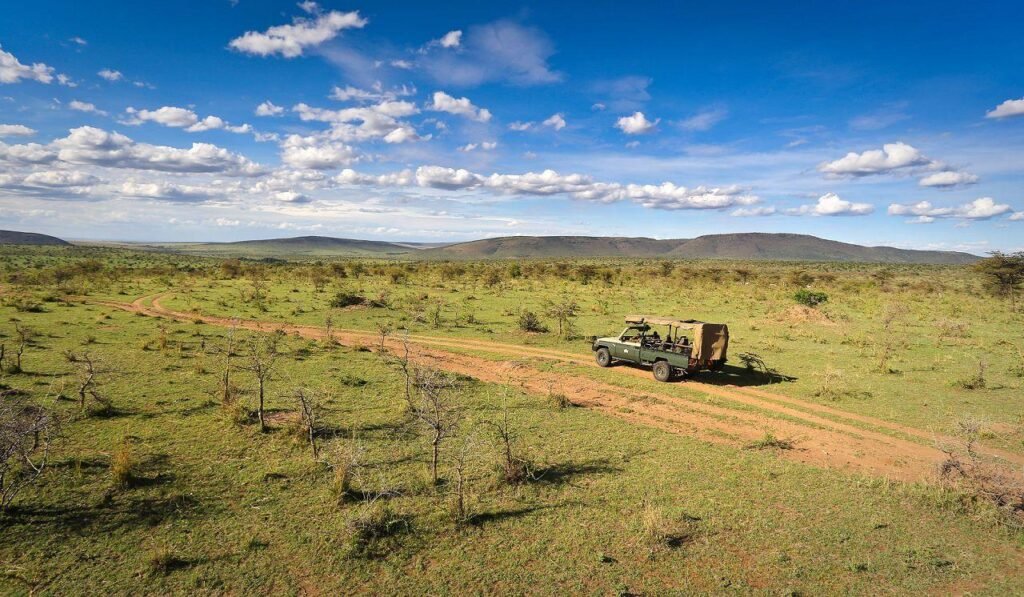
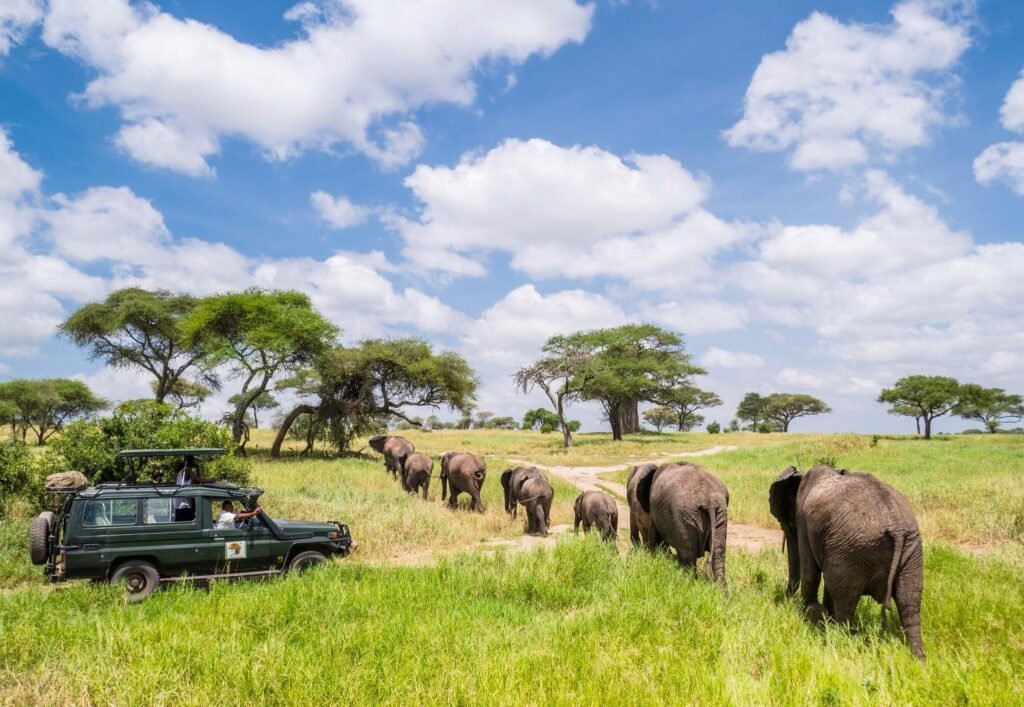
Some travellers dream of watching elephants against the backdrop of Mount Kilimanjaro. Others want to explore the famous Maasai Mara, witness the Great Migration, photograph wildlife across the Serengeti or combine a safari with time on the Kenyan or Tanzanian coast.
The good news is that you do not need to choose your entire trip based on a single destination or a standard package. A well-planned safari should reflect your interests, travel dates, available budget and the kind of experience you want to take home.
In this guide, we explain what to consider when comparing Kenya and Tanzania safari packages, how to understand the differences between itineraries, and which questions to ask before confirming your trip.
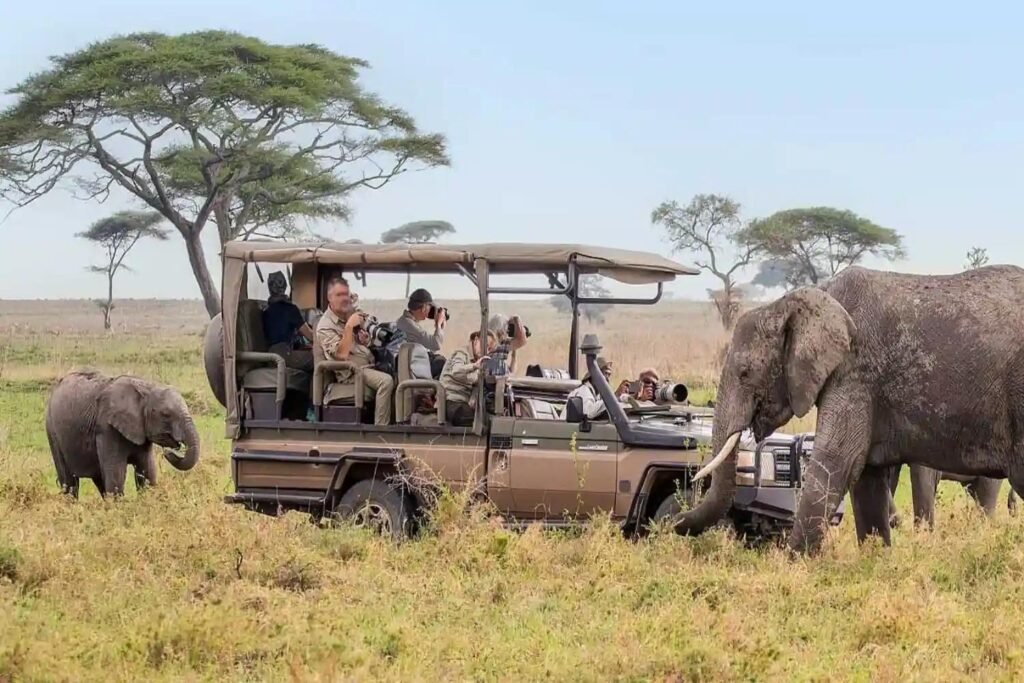
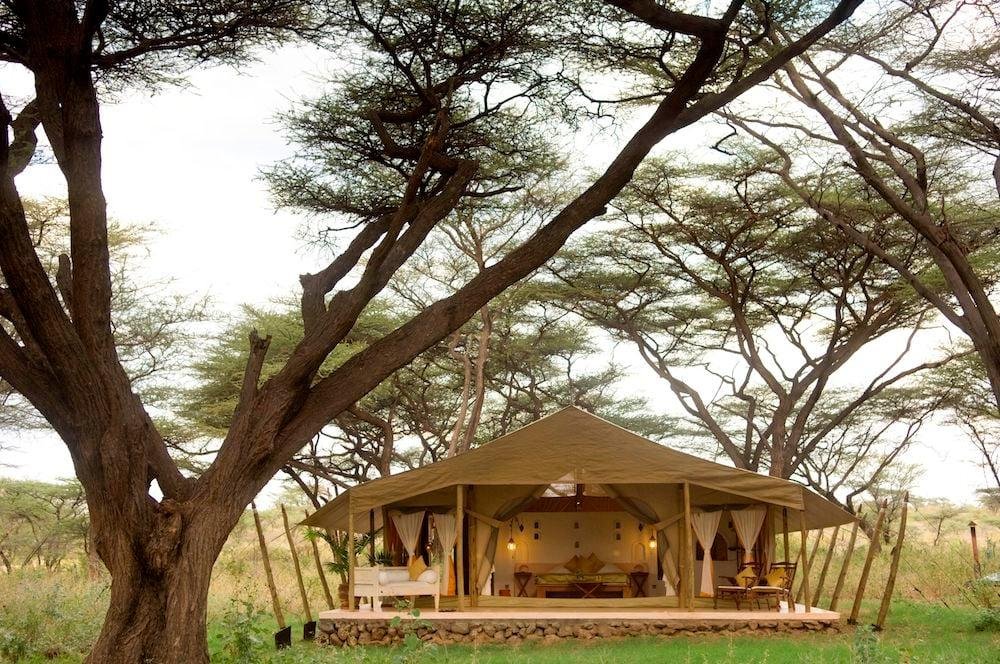
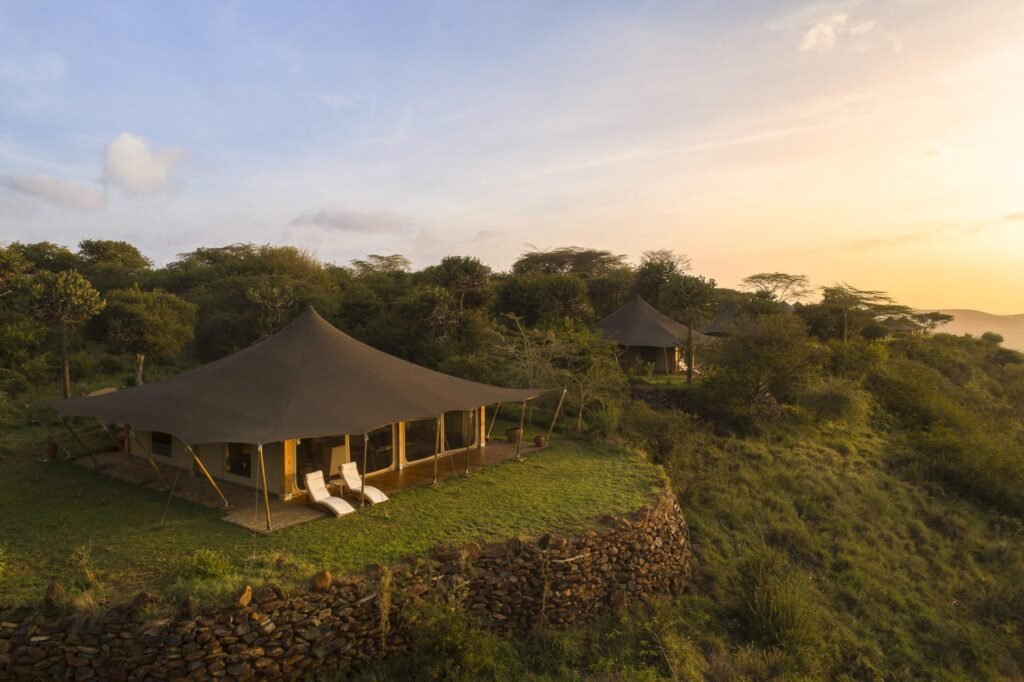
1. Decide Whether to Visit Kenya, Tanzania or Both
Your first decision is whether to explore Kenya, Tanzania or combine the two countries in one safari.
Each option offers a different experience, and the right choice depends on what you want to see and how much time you have available.
Kenya safari packages
Kenya is an excellent choice for travellers interested in varied landscapes, established wildlife destinations, cultural experiences and flexible safari itineraries.
Popular destinations include:
- Maasai Mara National Reserve: Known for its open grasslands, resident wildlife and the seasonal Great Migration, when large herds of wildebeest and zebra move through the wider Mara and Serengeti ecosystem.
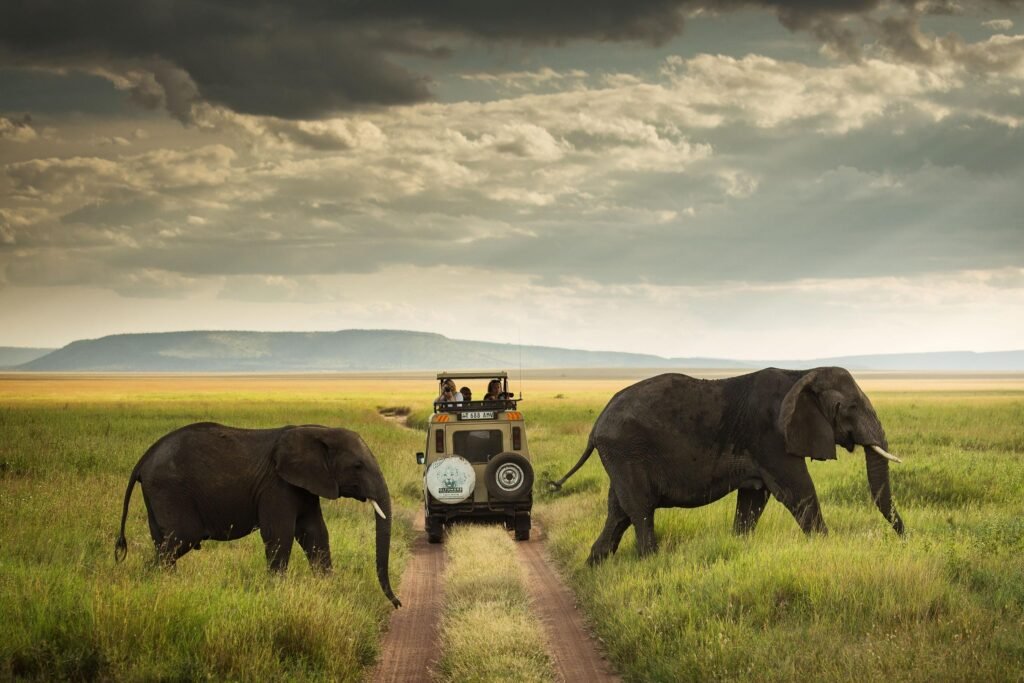
- Amboseli National Park: Famous for its large elephant herds and views of Mount Kilimanjaro when conditions are clear.
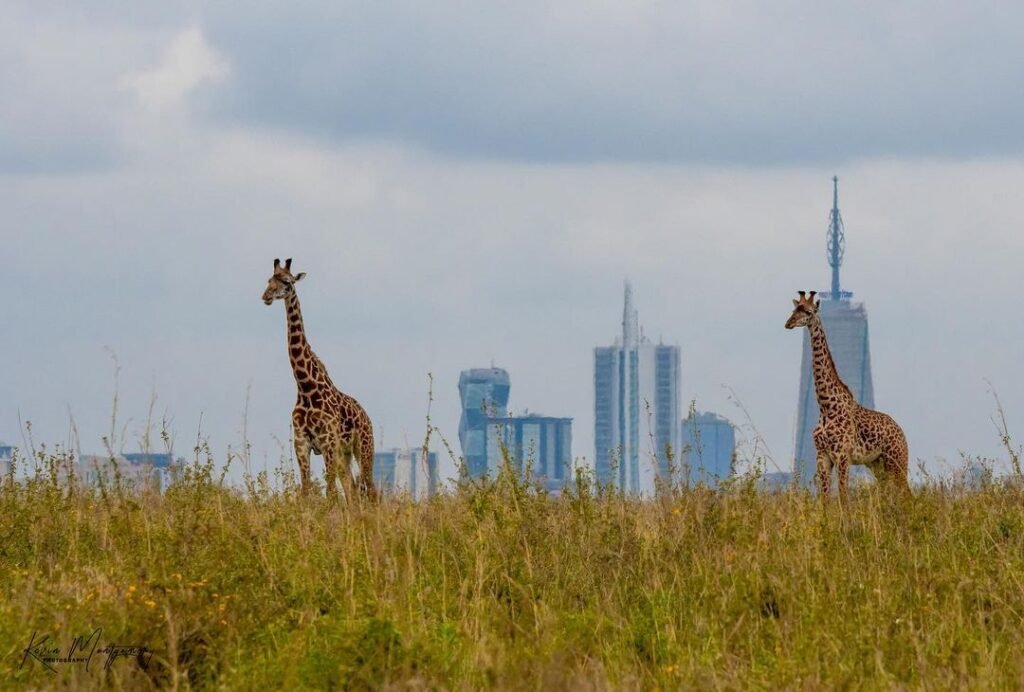
- Lake Nakuru National Park: Offers opportunities to see rhinos, giraffes, other wildlife and a variety of birdlife.
- Samburu National Reserve: Known for its distinctive northern wildlife, including species such as Grevy’s zebra, reticulated giraffe and gerenuk.
- Tsavo West National Park: Offers varied scenery, volcanic landscapes, wildlife viewing and attractions such as Mzima Springs.
Kenya can work well for short safaris from Nairobi, longer journeys through several parks, family holidays and itineraries that finish with time on the coast.
Explore our Kenya safari packages to compare possible itineraries.
Tanzania safari packages
Tanzania is particularly appealing to travellers who want to explore its extensive northern safari circuit, famous wildlife areas and varied landscapes.
Popular destinations include:
- Serengeti National Park: Known for its broad plains, predators, resident wildlife and the seasonal movement of wildebeest and zebra.
- Ngorongoro Conservation Area: Home to the Ngorongoro Crater, a major wildlife-viewing destination with a remarkable concentration of animals in a relatively compact area.
- Tarangire National Park: Known for its elephants, baobab trees and seasonal wildlife concentrations.
- Lake Manyara National Park: Offers forest, lake and savannah habitats, with opportunities to see a range of wildlife and birds.
A Tanzania itinerary may focus on the northern circuit, a particular wildlife event or a longer journey through several destinations.
You can explore our Tanzania safari packages to see the types of trips available.
Kenya and Tanzania combined safari packages
If you have enough time, combining Kenya and Tanzania can provide a broader East African experience.
For example, your journey could include the Maasai Mara in Kenya and the Serengeti in Tanzania, with other destinations selected according to your interests and travel dates.
A cross-border safari requires careful planning. Your itinerary should account for border arrangements, transport connections, park fees, accommodation locations and the time required to travel between destinations. The best route is not necessarily the one that includes the greatest number of parks.
For travellers who want to experience both countries, our Kenya and Tanzania safari packages are a useful starting point.
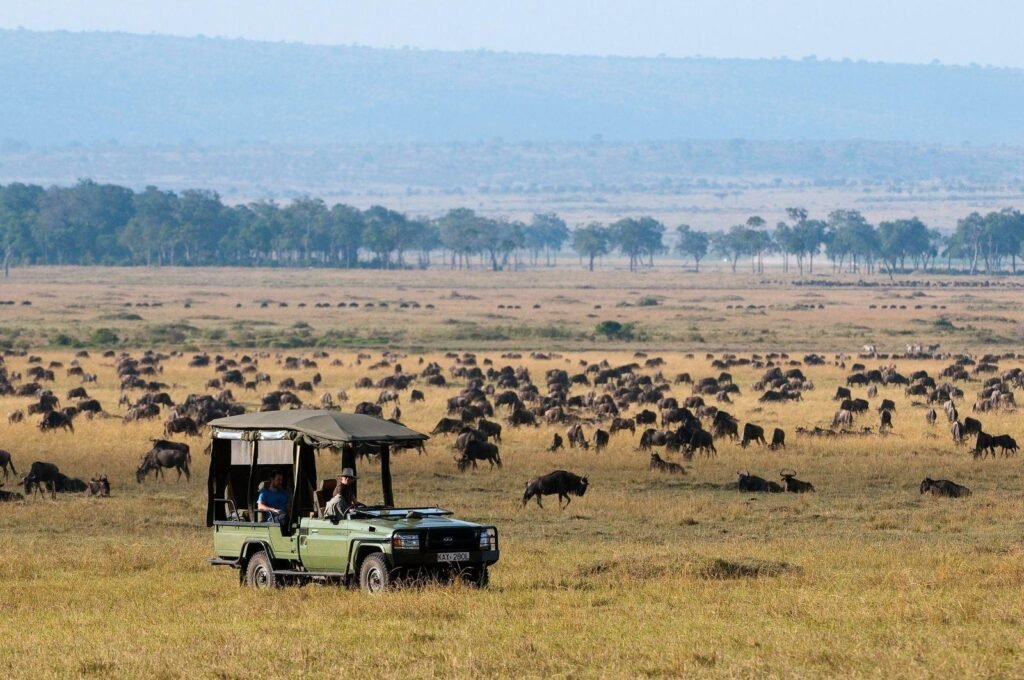
2. Match the Safari to Your Travel Dates
Your travel dates can influence the wildlife experiences available, accommodation prices and the overall character of your trip.
Before selecting a package, consider the following:
The Great Migration: The movement of wildebeest and zebra between Tanzania’s Serengeti ecosystem and Kenya’s Maasai Mara changes throughout the year. The location of the herds varies with rainfall and grazing conditions, so no responsible operator should guarantee a particular sighting on a fixed date.
Wildlife viewing: Wildlife can be seen throughout the year in many parks, although animal concentrations and viewing conditions vary by destination and season.
Weather and road conditions: Rainfall can affect some roads and travel times. Consider how seasonal conditions may influence the destinations you plan to visit.
Accommodation availability: Popular lodges and camps can book up well in advance, especially during busy travel periods. Early planning gives you more options, although availability must always be confirmed.
When comparing packages, ask your safari planner which destinations make the most sense for your specific dates. A good itinerary should be based on realistic seasonal expectations rather than promises of guaranteed sightings.
For practical preparation, the Kenya Wildlife Service visitor FAQs provide official information about visiting its parks and reserves.
3. Choose the Right Safari Duration
The length of your trip determines how many destinations you can comfortably visit.
A shorter safari may be ideal if you are already staying in Nairobi or on the Kenyan coast. A longer itinerary allows more time for wildlife viewing and can make a combined Kenya and Tanzania journey more practical.
Three to four days
A short safari generally focuses on one or two destinations, depending on your starting point and the distance between parks.
This can suit travellers with limited holiday time, people adding a safari to a business trip, or visitors who want a wildlife experience before continuing to the coast.
Five to seven days
A week provides more flexibility. You may be able to explore several parks in one country without spending the entire holiday travelling between them.
A seven-day itinerary can also introduce you to a combined-country safari, although the route needs to be planned carefully to avoid rushing the experience.
Eight to twelve days or longer
A longer holiday can allow you to explore multiple wildlife destinations, spend more time in selected parks or combine Kenya and Tanzania.
You may also have room for cultural experiences, birdwatching, walking activities where available, or a beach extension.
The important consideration is not simply how many days you have. It is how those days are distributed between travel, accommodation and meaningful time in the destinations.
4. Understand Budget, Comfort and Luxury Safari Packages
Safari prices can vary considerably, even when two packages visit the same national park. Accommodation, transport, park fees, meals, travel dates and the level of privacy can all influence the final cost.
When comparing Kenya and Tanzania safari packages, look beyond the headline price and understand what each option provides.
Budget safari packages
Budget packages are designed for travellers who want to experience African wildlife while managing their overall travel expenses.
Depending on the itinerary, accommodation may include basic lodges, camps or other affordable options. Transport and group arrangements also influence the price.
Budget does not automatically mean a poor experience. The important questions are whether the accommodation meets your expectations, the itinerary is practical and the inclusions are clearly explained.
Comfort safari packages
Comfort packages generally aim to balance convenience, accommodation quality and cost.
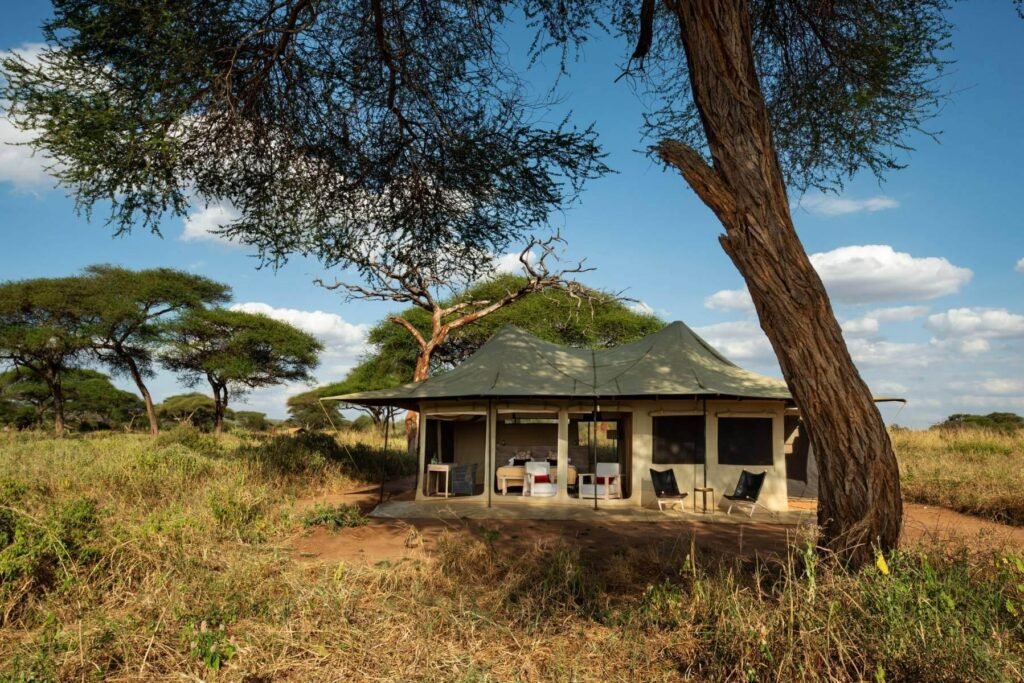
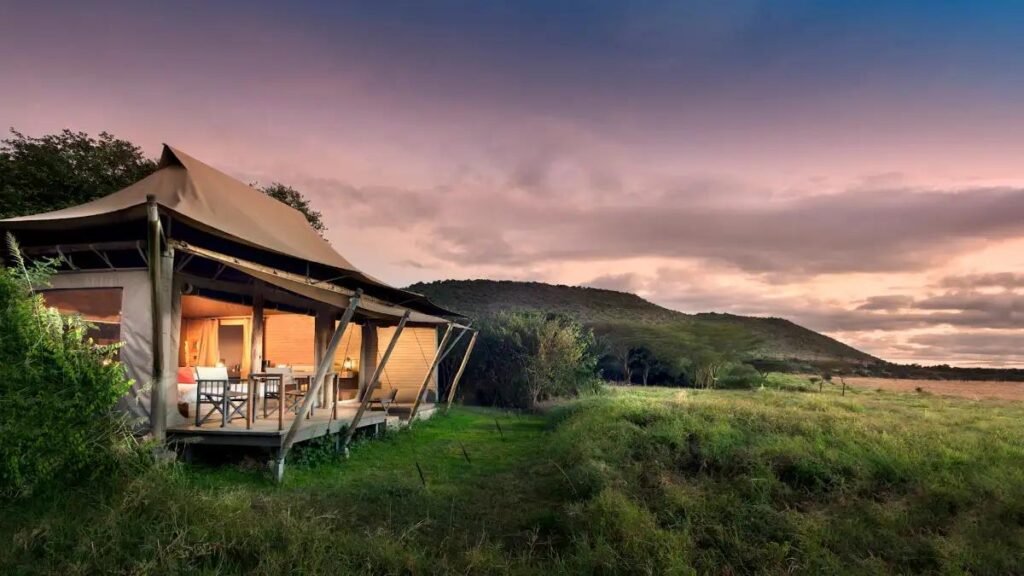
They may include well-appointed lodges or tented camps, private transport on selected itineraries and a more personalised travel experience.
This category can suit couples, families and travellers who want comfortable accommodation without necessarily choosing the most expensive properties.
Luxury safari packages
Luxury safaris place greater emphasis on accommodation, service, exclusivity and distinctive experiences.
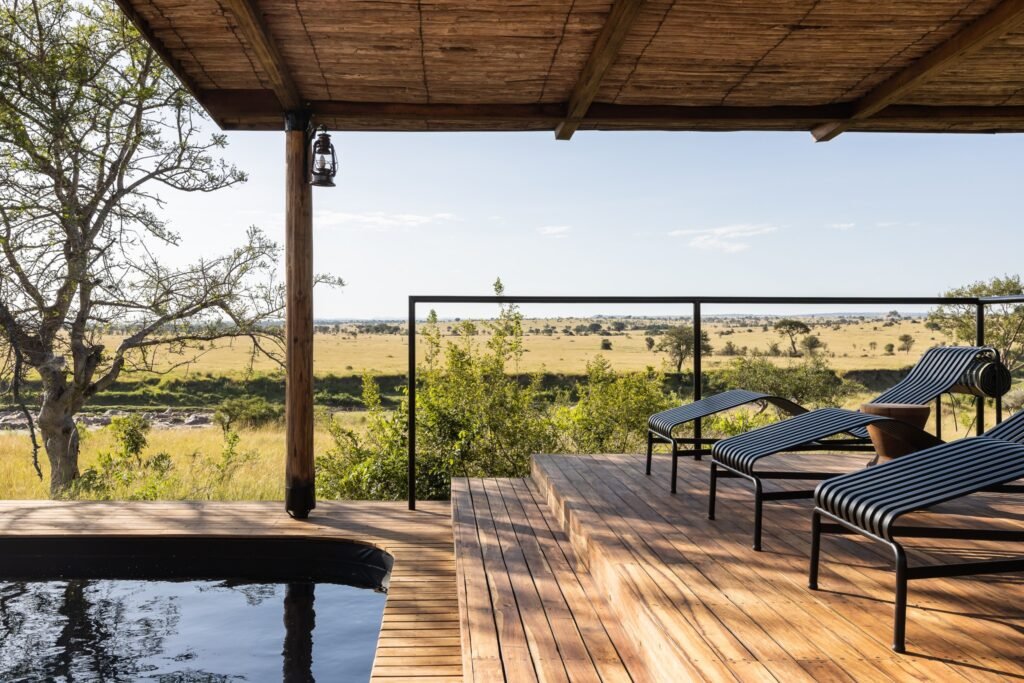
Depending on the itinerary, they may include high-end lodges or tented camps, private guiding, flights between destinations and carefully selected activities.
Luxury packages can differ significantly from one another, so it is worth checking the specific properties, room categories, transport arrangements and experiences included.
A useful rule: Compare the complete experience rather than choosing a package based on price alone. A lower advertised price may exclude important expenses that are included in another quotation.
You can explore customised African safaris if you would prefer an itinerary designed around your priorities.
5. Decide Between a Private and Group Safari
Your preferred travel style is another important factor.
Private safari
A private safari is arranged for your own travel party, subject to the operator’s specific arrangements. It generally gives you greater control over the itinerary, departure time and pace of travel.
It can be particularly suitable for families, couples, photographers and travellers who want a more flexible experience.
Private safaris may cost more per person than shared departures, especially for smaller parties, because the cost of the vehicle, guide and other services is spread across fewer travellers.
Group safari
A group safari brings together travellers on a shared departure or shared vehicle arrangement.
This can help reduce the cost per person, depending on the package. However, the itinerary, departure dates and time spent at each stop may be less flexible.
Before booking, confirm the group size, meeting arrangements, transport format and whether the advertised price applies to a guaranteed departure.
If travelling with children or celebrating a special occasion, ask whether a private itinerary would offer a better fit for your needs.
6. Check What the Safari Package Includes
Two packages with similar prices may provide very different levels of service.
Before making a decision, request a clear breakdown of what is included and what you will need to pay separately.
Check the following:
- Accommodation: Confirm the lodge or camp names, room category, meal plan and number of nights.
- Transport: Ask whether the safari uses a 4×4 safari vehicle, a shared minibus, private road transfers or scheduled flights.
- Park and conservation fees: Confirm which fees are included and whether any are payable separately.
- Meals and drinking water: Establish which meals are covered and whether drinking water is supplied during game drives.
- Airport and hotel transfers: Confirm the pick-up and drop-off arrangements.
- Activities: Check whether cultural visits, walking activities, boat trips or other excursions are included or optional.
- Guide services: Ask whether a professional driver-guide is included and whether the itinerary offers private guiding.
- International flights and visas: These are often separate from the safari package, but you should confirm the arrangement.
- Tips and personal expenses: Check whether these are excluded so you can plan accordingly.
For a combined Kenya and Tanzania trip, also ask how cross-border transfers are organised and whether the itinerary uses separate vehicles or operators in each country.
A detailed quotation should make it clear what you are paying for. If anything is unclear, ask before confirming your booking.
7. Select Destinations That Match Your Interests
The right itinerary depends on more than famous park names. Think about the experiences that matter most to you.
For the Great Migration: Discuss your dates and the likely location of the herds with your safari planner. The movement is seasonal and cannot be guaranteed.
For elephants and dramatic landscapes: Amboseli in Kenya and Tarangire in Tanzania may be worth considering.
For predators and broad savannah landscapes: The Maasai Mara and Serengeti are well-known choices, with the final route depending on your dates and other interests.
For birdwatching: Consider the habitats and species you want to see. A bird-focused safari may require different destinations and a different pace from a trip centred on large mammals.
For families: Look at driving distances, accommodation facilities, age restrictions for activities and the flexibility of game drives.
For honeymooners: You may prefer fewer accommodation changes, private transfers, intimate camps and time to relax between activities.
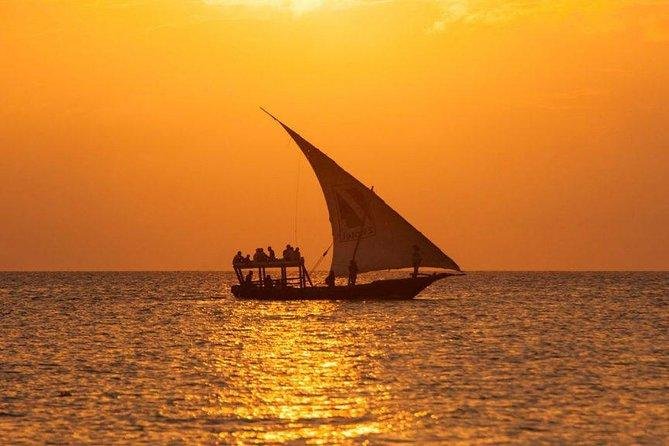
For a safari and beach holiday: Consider finishing your wildlife experience on the Kenyan coast or in Zanzibar, depending on your route and travel arrangements.
You do not need to include every destination in one trip. Choosing a smaller number of well-matched places can produce a more enjoyable journey than trying to cover too much ground.
8. Consider Travel Time Between Destinations
An itinerary can look attractive on paper but become tiring if the travel distances are underestimated.
Road journeys between parks may take longer than expected because of road conditions, traffic, stops and the location of your accommodation. Some routes are better served by scheduled or charter flights, depending on availability and budget.
When reviewing an itinerary, ask:
- How long are the expected transfers between destinations?
- Will there be opportunities for game viewing on travel days?
- Are there early departures or late arrivals?
- Would a domestic flight make the journey more comfortable?
- Is there enough time to enjoy each destination?
For combined Kenya and Tanzania safaris, confirm the border-crossing arrangements and any transfers required between vehicles or airports.
The objective is to create a realistic route that gives you time to enjoy the safari rather than spending too much of your holiday in transit.
9. Research the Safari Operator Before Booking
A safari operator helps coordinate the services that shape your experience, so choosing a reliable company matters.
Before paying a deposit, research the operator and ask for the details you need to make an informed decision.
Look for:
- Clear company contact details and information about its operations.
- A detailed itinerary and written quotation.
- Transparent payment, cancellation and refund terms.
- Clear communication about accommodation and transport.
- Relevant customer reviews and examples of previous trips.
- Appropriate registration, licences and operational arrangements for the destinations being offered.
If the safari covers both Kenya and Tanzania, clarify whether the company operates in both countries directly or works with local partners for part of the itinerary.
Be cautious of vague quotations, pressure to pay immediately or promises that cannot reasonably be guaranteed, such as a guaranteed wildlife sighting.
A trustworthy operator should be willing to explain the itinerary, answer questions and help you understand the practical details before you commit.
10. Customise the Itinerary Around Your Priorities
Standard safari packages can be a useful starting point, but they may not match every traveller’s needs.
You may want to spend more nights in the Maasai Mara, add a visit to Amboseli, focus on birdwatching, travel with children or combine wildlife viewing with a few relaxing days by the ocean.
Customisation allows you to discuss those priorities before the itinerary is finalised.
It is also an opportunity to make sensible trade-offs. For example, you may choose a smaller number of destinations with better-located accommodation rather than adding several parks that require long transfers.
When requesting a customised quotation, share your preferred travel dates, number of travellers, approximate budget, accommodation expectations and the experiences you most want to enjoy.
The more clearly you communicate your priorities, the easier it is for your safari planner to recommend suitable options.
11. When Should You Book Your Safari?
The ideal booking time depends on your travel dates, destination choices, accommodation preferences and party size.
If you plan to travel during a busy holiday period or want a particular lodge or camp, booking early can give you a better chance of securing your preferred arrangements.
Families and larger groups may also benefit from early planning because suitable room configurations and vehicle arrangements can be limited.
Even when travelling outside peak periods, confirm accommodation availability and the current costs of park fees and other services before accepting a quotation.
Ask your operator how long the quotation remains valid, whether prices may change and what payment schedule applies.
How to Choose the Best Kenya and Tanzania Safari Package for You
The best safari package is not necessarily the longest, the most expensive or the one that visits the greatest number of parks. It is the one that matches your travel dates, interests, comfort expectations and budget while allowing enough time to enjoy the journey.
Before making your decision, make sure you can answer these five questions:
- Do I want to visit Kenya, Tanzania or both?
- How many days can I comfortably spend on safari?
- Which wildlife experiences and destinations matter most to me?
- What accommodation and travel style suit my needs?
- What is included in the quotation, and what will I pay separately?
Once these points are clear, comparing itineraries becomes much easier.
At Horizon Explorer Africa Safaris, we help travellers explore safari options across Kenya and Tanzania, with itineraries designed around different interests, travel styles and budgets. Whether you are considering a short wildlife escape, a longer multi-park adventure or a combined Kenya and Tanzania journey, the starting point is understanding what you want from your holiday.
Explore our Kenya safari packages, Tanzania safari packages or combined Kenya and Tanzania safaris. You can also visit our customised safari page to start planning a journey around your preferences.
Your journey, your way.
Frequently Asked Questions
1. How do I choose the best Kenya and Tanzania safari package?
Start by considering your travel dates, budget, preferred accommodation, wildlife interests and the number of days available. Compare the full itinerary and inclusions rather than relying on the advertised price alone.
2. Is it better to visit Kenya or Tanzania on safari?
Both countries offer outstanding wildlife experiences. Kenya may suit travellers interested in destinations such as the Maasai Mara and Amboseli, while Tanzania offers famous parks such as the Serengeti, Ngorongoro and Tarangire. The best choice depends on your travel dates, interests and available time.
3. How many days do I need for a Kenya and Tanzania safari?
The ideal duration depends on the destinations you want to visit and your travel pace. A combined safari generally requires more time than a trip focused on one park or one country. Your itinerary should allow for travel between destinations as well as wildlife viewing.
4. Are private safaris better than group safaris?
Neither is automatically better. Private safaris generally offer more flexibility for your travel party, while group safaris may provide a lower cost per person. Your preferred level of privacy, budget and flexibility should guide the decision.
5. What affects the cost of a Kenya and Tanzania safari package?
Prices are influenced by accommodation, travel dates, park fees, transport, itinerary length, meal arrangements, group size and included activities. Domestic flights, private guiding and luxury accommodation can also increase the overall cost.
6. Can I combine a Kenya safari with a Tanzania safari?
Yes. A combined itinerary can include destinations in both countries, subject to your travel dates, budget, available time and border-transfer arrangements. The route should be planned carefully to avoid unnecessary travel.
7. Does a safari package include park fees and accommodation?
It depends on the package. Many safari quotations include accommodation and park fees, but you should check the written inclusions and exclusions before booking. Confirm meal plans, transfers, activities and personal expenses as well.
8. Can I customise an existing safari package?
Many itineraries can be adjusted to suit your interests, budget, travel dates and preferred accommodation, subject to availability and operational requirements. Ask the operator which changes are possible and how they affect the final price.