Kenya and Tanzania Safari with Ngorongoro Crater: Planning the Perfect Wildlife Route
A Kenya and Tanzania safari featuring the Ngorongoro Crater is one of the most rewarding ways to explore East Africa. Combining Kenya’s wildlife destinations with Tanzania’s Serengeti and Ngorongoro creates an opportunity to experience different landscapes, wildlife habitats, cultures and safari environments within one holiday.
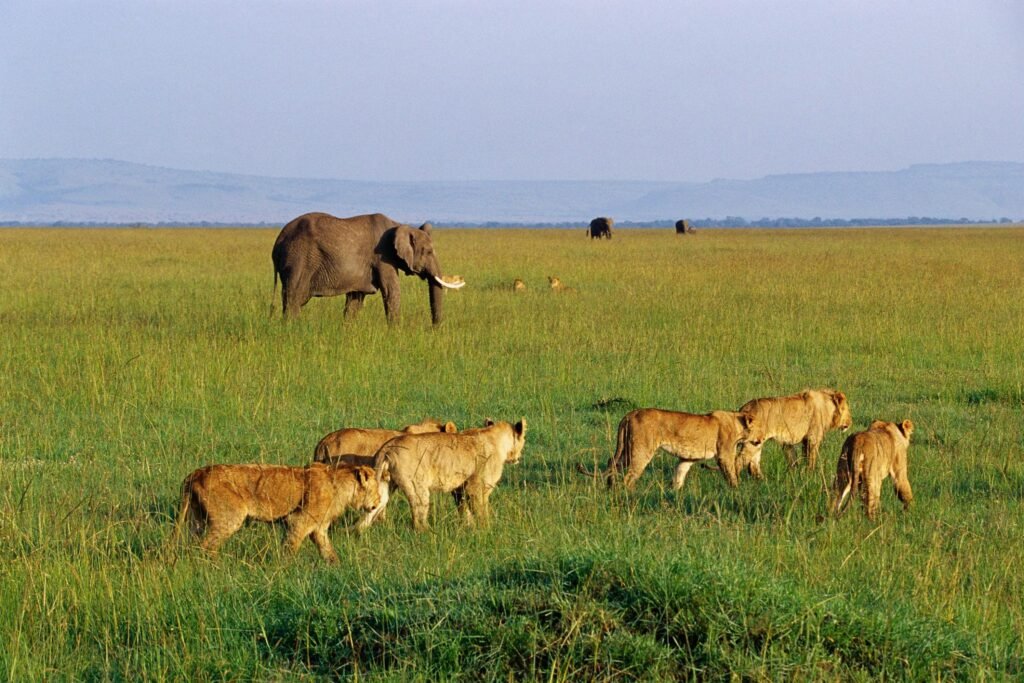
From the wildlife-rich plains of the Maasai Mara to the vast Serengeti ecosystem and the dramatic Ngorongoro Crater, a combined safari can offer an exceptional variety of wildlife experiences. Travellers can encounter elephants, lions, buffaloes, giraffes, wildebeest, zebras, hyenas and numerous other species while exploring some of the region’s most celebrated natural areas.
However, visiting Kenya and Tanzania within one itinerary requires thoughtful planning. Distances between parks, border procedures, accommodation locations, park fees and the number of available travel days all influence how the safari should be designed.
This guide explains how to plan a Kenya and Tanzania safari with Ngorongoro Crater, which destinations to combine, how many days to allocate and how to create a comfortable itinerary without spending too much time travelling.
Why Include Ngorongoro Crater in a Kenya and Tanzania Safari?
Ngorongoro Crater adds a distinctive wildlife experience to a Kenya and Tanzania safari because of its unique geography, scenic surroundings and diverse wildlife.
Unlike the open plains of the Maasai Mara and Serengeti, the crater offers a more enclosed landscape where grasslands, woodland, wetlands and lakes support a wide variety of animals.
Explore One of Africa’s Most Remarkable Natural Landscapes
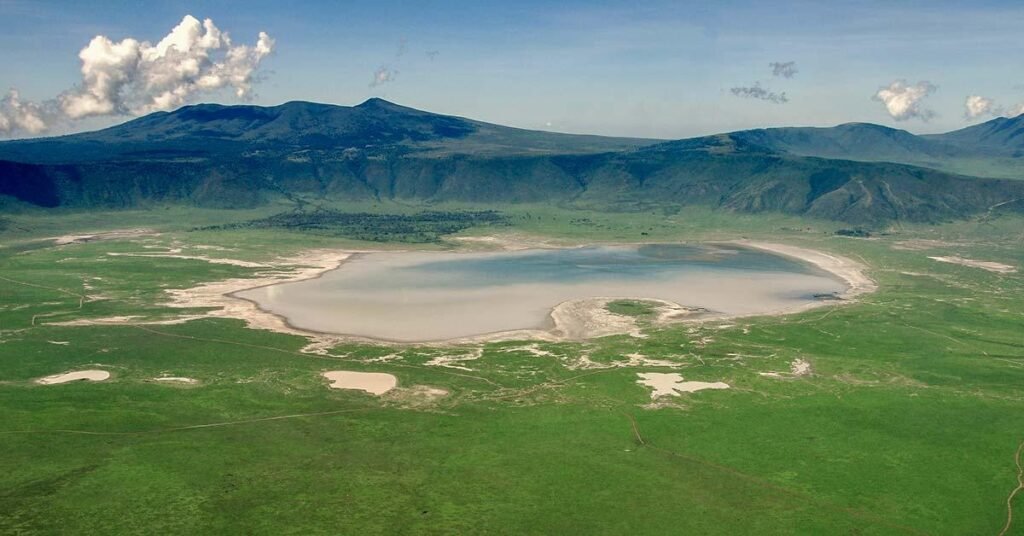
Ngorongoro Crater is a large volcanic caldera within the Ngorongoro Conservation Area in northern Tanzania.
Its crater floor supports different habitats, including open grassland, marshes, woodland and water sources. These environments attract a wide variety of wildlife, making a crater game drive one of the major highlights of many Tanzania safaris.
The scenery is equally impressive. Travellers descend from the crater highlands into the crater floor, where the landscape changes and wildlife viewing takes place within a remarkable natural setting.
Enjoy Diverse Wildlife Viewing
The crater is known for its wildlife populations and the possibility of encountering several species during a single game drive.
Visitors may see:
- Lions
- African elephants
- Buffaloes
- Zebras
- Wildebeest
- Hyenas
- Hippos
- Various antelope species
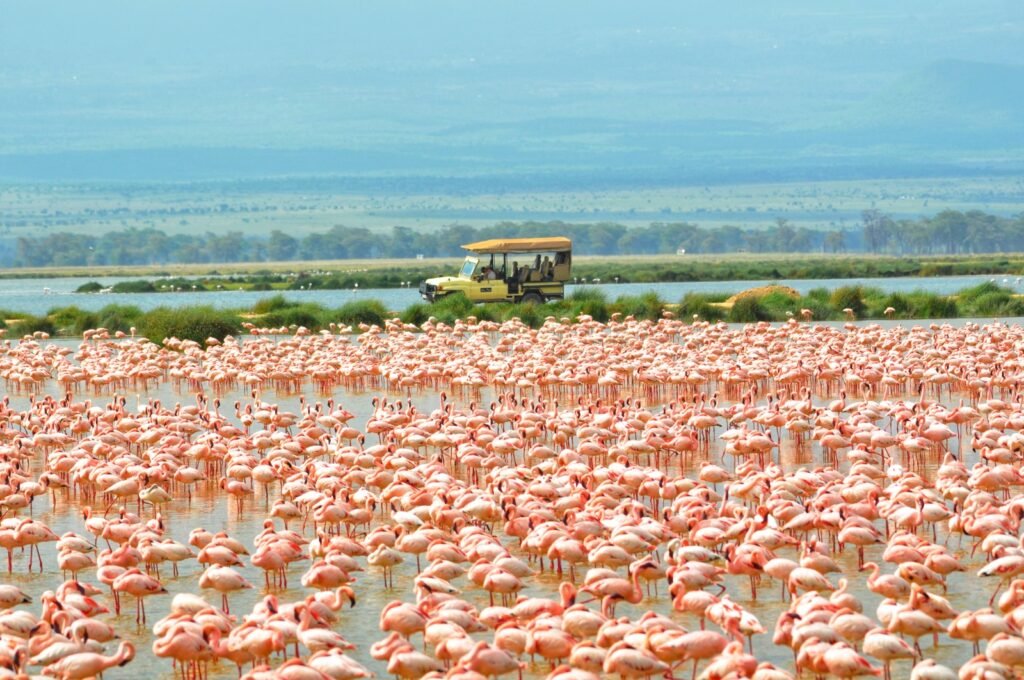
- Flamingos and other birds
The Ngorongoro area is also an important habitat for the endangered black rhinoceros, although sightings are never guaranteed.
The combination of diverse habitats and wildlife makes the crater particularly attractive to first-time safari travellers, photographers and wildlife enthusiasts.
Combine the Crater with the Serengeti
Ngorongoro is frequently combined with Serengeti National Park because the two destinations complement each other.
The Serengeti offers vast landscapes, extensive wildlife habitats and opportunities to explore different regions depending on the season. Ngorongoro adds a contrasting crater environment with different scenery and wildlife viewing conditions.
Travelling through both destinations gives visitors a broader understanding of Tanzania’s northern safari circuit.
Which Kenya Destinations Should You Combine with Ngorongoro?
The Kenya section of your safari should be selected according to your interests, travel dates and available time.
Not every Kenyan destination needs to be included. Choosing one or two wildlife areas and spending enough time in each can create a better safari than trying to cover the entire country.
Maasai Mara National Reserve
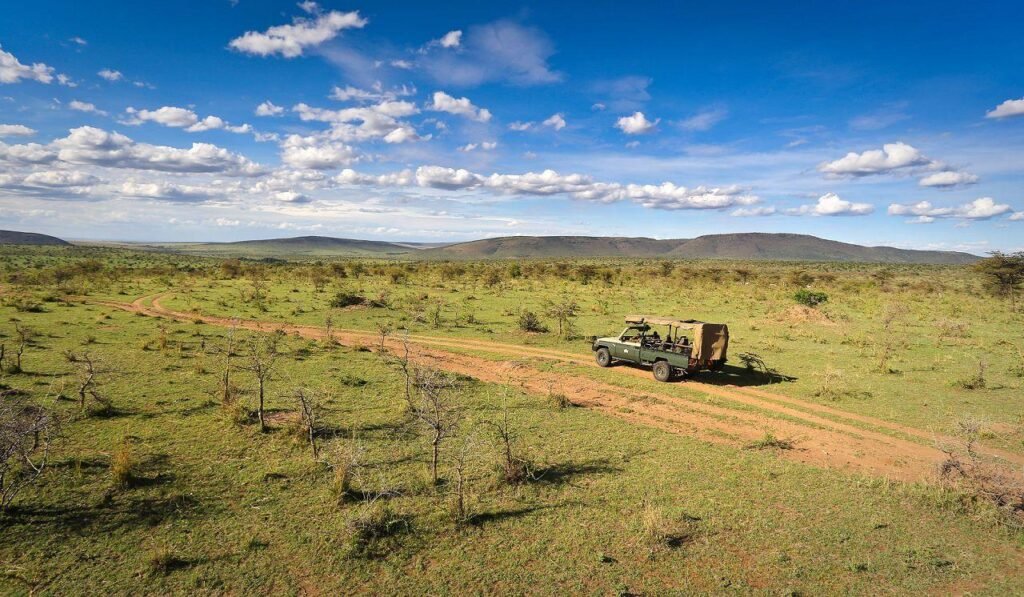
The Maasai Mara is one of Kenya’s most popular safari destinations and a natural choice for travellers combining Kenya with Tanzania.
Its open grasslands and river systems support a wide variety of wildlife, including lions, cheetahs, elephants, buffaloes, giraffes, zebras and numerous antelope species.
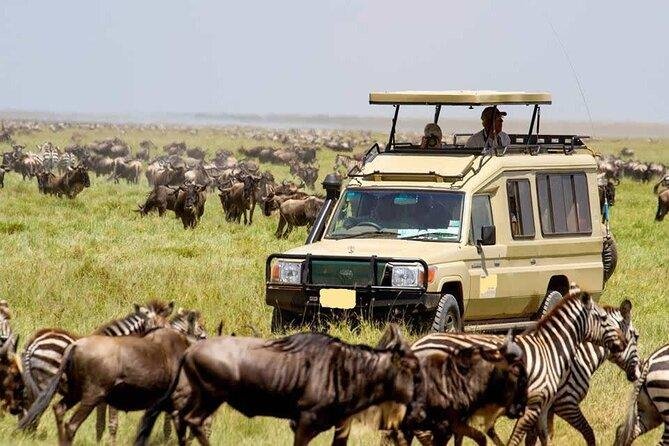
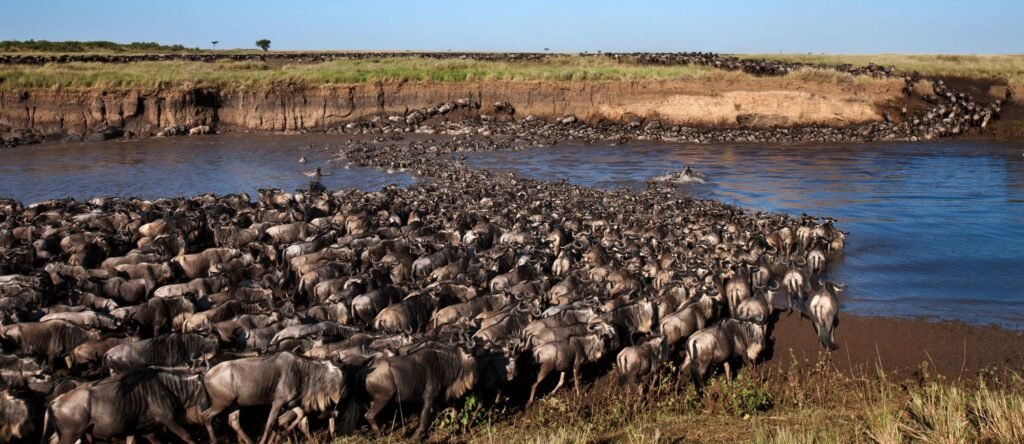
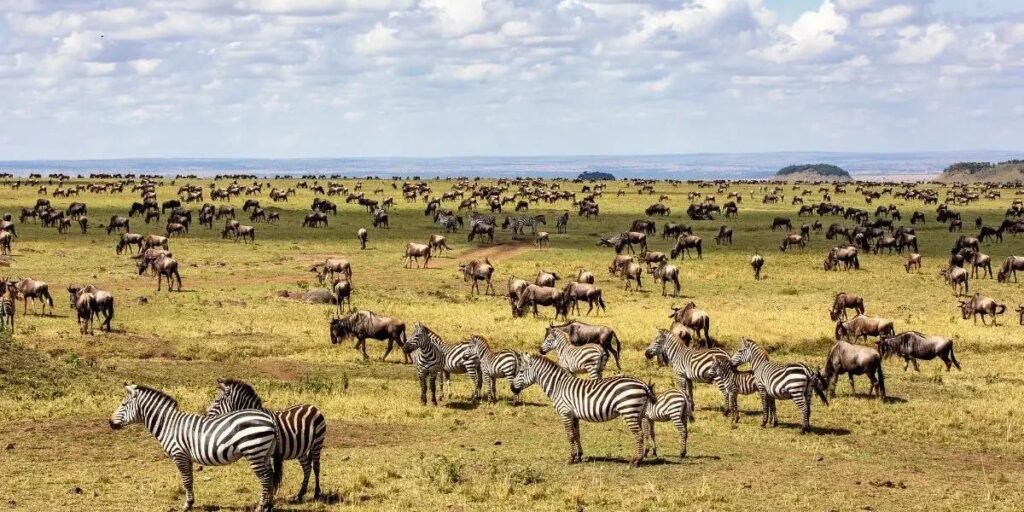
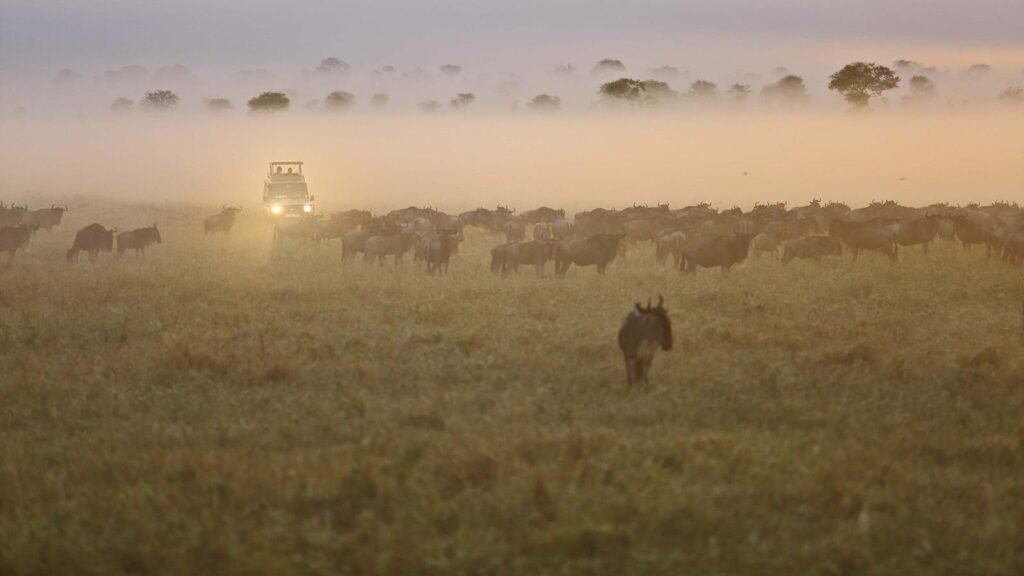
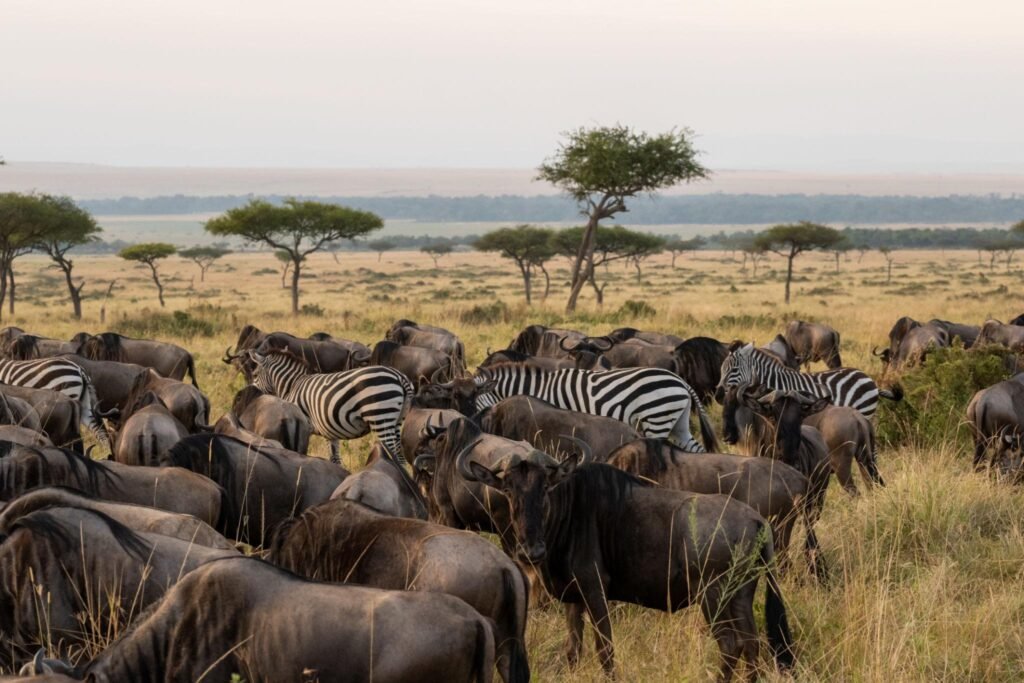
The reserve is also associated with the Great Migration, when wildebeest and zebra move through the greater Mara-Serengeti ecosystem according to seasonal conditions.
A Maasai Mara safari can be particularly rewarding for travellers interested in big cats, wildlife photography and open savannah landscapes.
Explore our Kenya safari packages for ideas on itineraries starting in Nairobi and visiting Kenya’s wildlife destinations.
Amboseli National Park
Amboseli offers a different experience from the Maasai Mara.
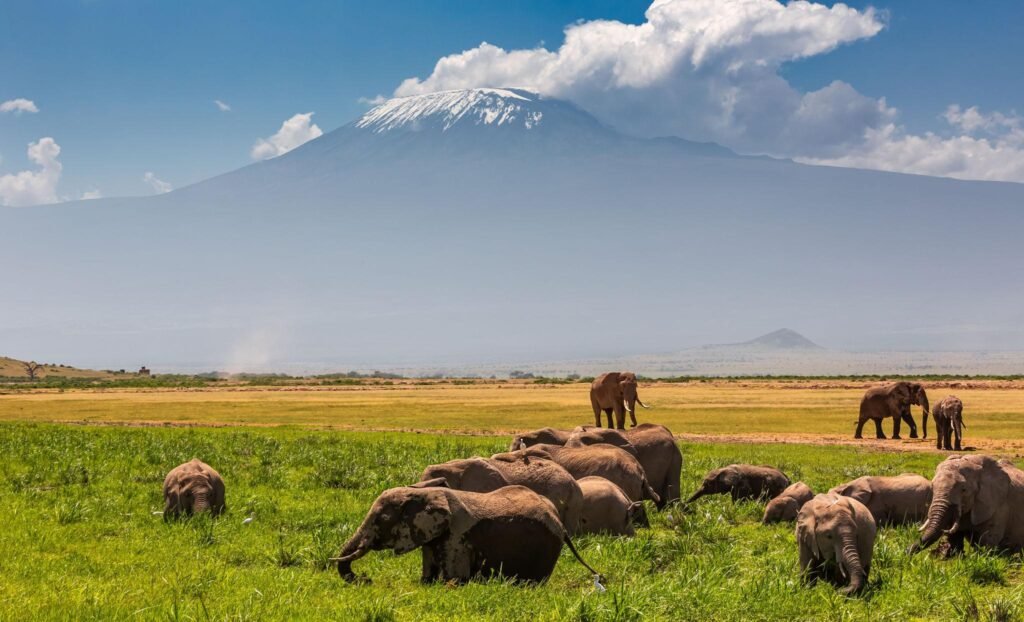
The park is famous for elephants, open landscapes, seasonal wetlands and views of Mount Kilimanjaro when weather conditions are clear.
Amboseli is an excellent option for travellers who want to include elephant viewing and scenic photography in their Kenya and Tanzania safari.
It can be combined with Tanzania through the Namanga border route, particularly when the itinerary includes Arusha and the northern Tanzania parks.
Lake Nakuru National Park
Lake Nakuru is another option for travellers looking to include a relatively compact wildlife destination in a Kenya safari.
The park offers woodland, grassland, lake environments and wildlife habitats that support species such as rhinos, buffaloes, giraffes, zebras and numerous birds.
Lake Nakuru can be included in itineraries travelling from Nairobi towards the Maasai Mara or in longer Kenya safari routes.
The best Kenyan park combination depends on the amount of time available and whether the traveller prefers big cats, elephants, scenic landscapes, birdlife or a broader wildlife experience.
The Tanzania Route: Serengeti, Ngorongoro and Beyond
Tanzania offers several destinations that can be combined with Ngorongoro Crater. The right selection depends on the safari duration and the route used to enter the country from Kenya.
Serengeti National Park
The Serengeti is a major highlight of a combined Kenya and Tanzania safari.
Its expansive plains, rocky kopjes, woodland areas and seasonal grasslands support large wildlife populations and a wide variety of species.
Travellers may encounter lions, cheetahs, leopards, elephants, buffaloes, giraffes, wildebeest, zebras and many other animals.
The Serengeti is also one of the key locations associated with the Great Migration. Wildlife movements change throughout the year, so selecting the correct Serengeti region for your travel dates is important.
A safari combining the Maasai Mara and Serengeti can provide a broader migration experience, although no specific herd location or river crossing can be guaranteed.
Tarangire National Park
Tarangire is known for its distinctive baobab landscapes, seasonal river and large elephant populations.
The park offers a different safari environment from the Serengeti and Ngorongoro Crater. Wildlife viewing conditions can change considerably with the seasons, particularly as animals respond to water and grazing availability.
Tarangire can be included before or after Ngorongoro, depending on the route and accommodation arrangements.
Lake Manyara National Park
Lake Manyara provides another option for travellers with additional time.
Its habitats include woodland, groundwater forest, lake environments and open areas. The park is known for birdlife and a variety of wildlife species.
It can be a useful addition to an itinerary that begins or ends in Arusha, particularly for travellers who want to explore more than the Serengeti and Ngorongoro.
How to Arrange the Route Between Kenya and Tanzania
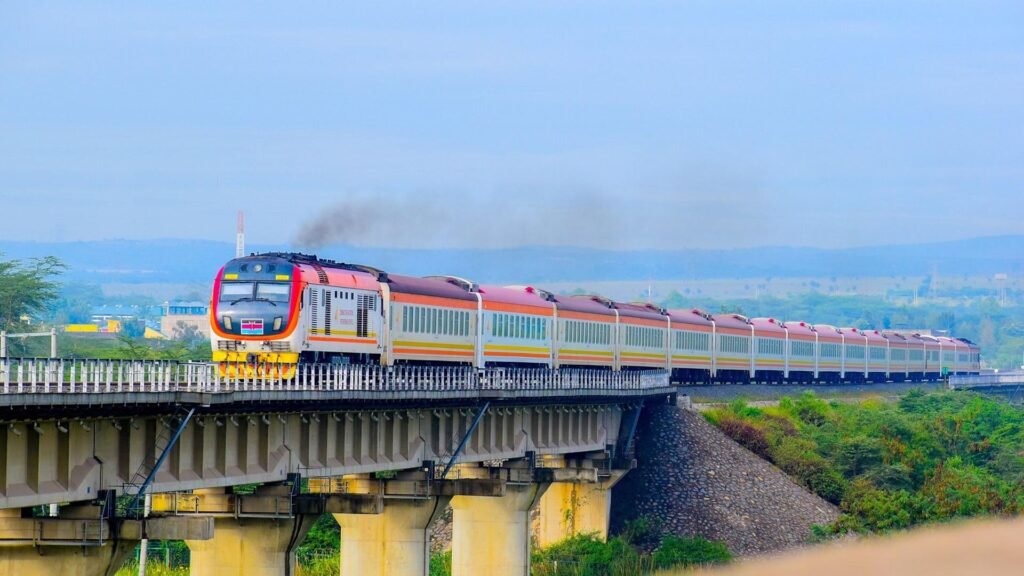
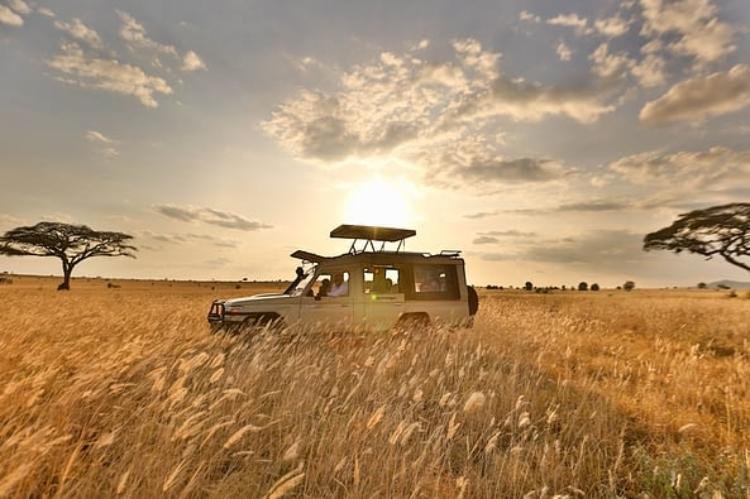
The route between Kenya and Tanzania is one of the most important aspects of planning a combined safari.
There are different ways to move between the two countries, depending on which Kenyan parks you visit, which Tanzanian destinations you want to explore and whether you prefer road transfers or flights.
Kenya to Tanzania via Isebania and Sirari
The Isebania-Sirari border crossing is commonly used for itineraries linking the Maasai Mara region with Tanzania’s Serengeti.
This route can be suitable for travellers whose safari begins in Nairobi, proceeds to the Maasai Mara and continues into Tanzania.
The transfer involves leaving the Maasai Mara region, reaching the border, completing immigration procedures and continuing with the onward safari arrangements in Tanzania.
Depending on the safari operator’s vehicle arrangements and applicable regulations, guests may need to change vehicles and guides after crossing the border.
The transfer can be long, so it is generally advisable to avoid planning an extensive game drive on the same day.
Kenya to Tanzania via Namanga
Namanga is an important crossing for itineraries connecting Nairobi, Amboseli and Arusha.
It is particularly useful for travellers visiting Amboseli before continuing into northern Tanzania.
The route can connect Kenya’s southern safari region with Arusha, Tarangire and Ngorongoro, depending on the itinerary.
Fly Between Safari Destinations
Flights can be useful for travellers who want to reduce road transfers or have limited time.
Depending on the route and schedules, safari flights may connect Nairobi, Maasai Mara airstrips, Serengeti airstrips, Arusha and other destinations.
Flights can save time, but availability, luggage restrictions, routing and costs must be considered.
A road safari and fly-in safari can also be combined, allowing travellers to enjoy selected road journeys while flying longer sections.
How Many Days Do You Need for Kenya, Serengeti and Ngorongoro?
The ideal duration depends on how many Kenyan destinations you want to visit and how much time you want to spend in Tanzania.
A safari featuring the Maasai Mara, Serengeti and Ngorongoro should ideally allow enough time for game drives in each destination and realistic transfer days.
7-Day Kenya and Tanzania Safari
A seven-day safari can include the Maasai Mara, Serengeti and Ngorongoro, but it is a compact itinerary.
It is generally better suited to travellers using flights or accepting limited time in some destinations.
A sample route may look like this:
Day 1: Arrival in Nairobi and overnight stay.
Day 2: Travel to Maasai Mara and afternoon game drive, subject to arrival time.
Day 3: Full-day game drives in Maasai Mara.
Day 4: Travel and border arrangements into Tanzania, continuing towards the Serengeti depending on the route.
Day 5: Serengeti game drives.
Day 6: Travel towards Ngorongoro and overnight in the surrounding area.
Day 7: Ngorongoro Crater safari and onward transfer, if departure arrangements allow.
This itinerary provides an introduction to both countries but requires careful coordination, particularly on the border and departure days.
9 to 10-Day Kenya and Tanzania Safari
A nine- or ten-day safari is a better option for travellers who want to explore the Maasai Mara, Serengeti and Ngorongoro with a more balanced pace.
A possible itinerary is:
Day 1: Arrival in Nairobi.
Day 2: Nairobi to Maasai Mara.
Day 3: Full-day game drives in Maasai Mara.
Day 4: Additional Maasai Mara game drives or transfer towards the Kenya-Tanzania border, depending on the route.
Day 5: Continue into Serengeti National Park.
Day 6: Full-day Serengeti safari.
Day 7: Serengeti to Ngorongoro Conservation Area.
Day 8: Ngorongoro Crater game drive.
Day 9: Optional Lake Manyara or transfer towards Arusha.
Day 10: Departure from Arusha or Kilimanjaro Airport.
The final route should be adjusted according to the selected border crossing, accommodation location, transport mode and departure airport.
12 to 14-Day Kenya and Tanzania Safari
A 12- to 14-day itinerary allows travellers to include additional destinations without sacrificing too much time in the main wildlife parks.
Possible destinations include:
- Nairobi
- Maasai Mara
- Lake Nakuru
- Amboseli
- Tarangire
- Serengeti
- Ngorongoro Crater
- Lake Manyara
You do not need to visit every destination listed above. A good itinerary may focus on the Maasai Mara, Serengeti and Ngorongoro while adding one other destination that complements the route.
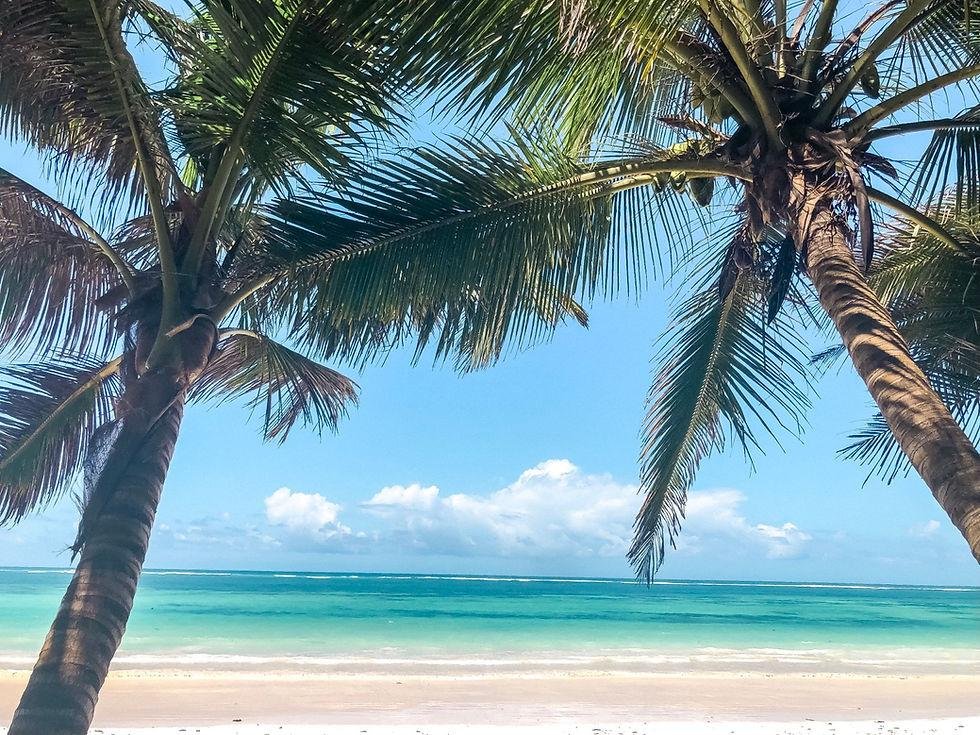
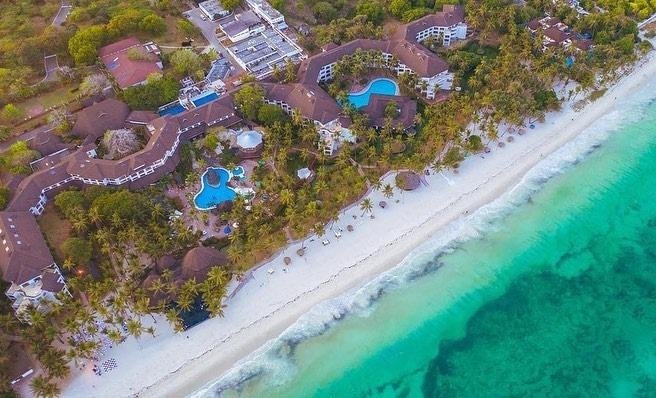
Travellers with additional days can also consider ending their safari with a beach holiday, depending on the preferred location and flight connections.
The Best Time to Visit Kenya, Serengeti and Ngorongoro
Kenya and Tanzania can be visited throughout the year. However, seasonal weather, wildlife movements, road conditions and accommodation rates can influence the safari experience.
June to October
This period is popular for safari travel in many parts of Kenya and Tanzania.
Relatively dry conditions in many wildlife areas can make game viewing attractive, although local weather patterns vary.
The Maasai Mara is particularly popular during the migration season, while different regions of the Serengeti offer seasonal wildlife viewing opportunities.
Travellers should book early for popular camps and lodges during peak travel periods.
November to December
The short rains may bring greener scenery and seasonal changes in wildlife distribution.
This period can appeal to travellers who enjoy fresh landscapes and are flexible about weather conditions.
Wildlife viewing remains possible throughout the region, although rain can influence road conditions and game drive experiences.
January to March
This period can be particularly rewarding in the southern Serengeti, where seasonal wildlife activity may include wildebeest calving.
The Maasai Mara may have a different wildlife distribution compared with the migration season.
Travellers interested in the calving season should consider how the Serengeti fits into their itinerary and select accommodation according to the expected wildlife location.
April to May
The longer rains can affect travel conditions in some areas.
Some roads may become more difficult to navigate, and the experience may differ from the dry-season safari.
However, greener landscapes, fewer visitors in certain areas and seasonal wildlife experiences can appeal to travellers looking for a quieter safari.
The best time to travel ultimately depends on the destinations you want to visit, wildlife interests, budget and travel flexibility.
What Wildlife Can You Expect to See?
Combining Kenya and Tanzania gives travellers access to a wide variety of wildlife habitats and species.
Lions
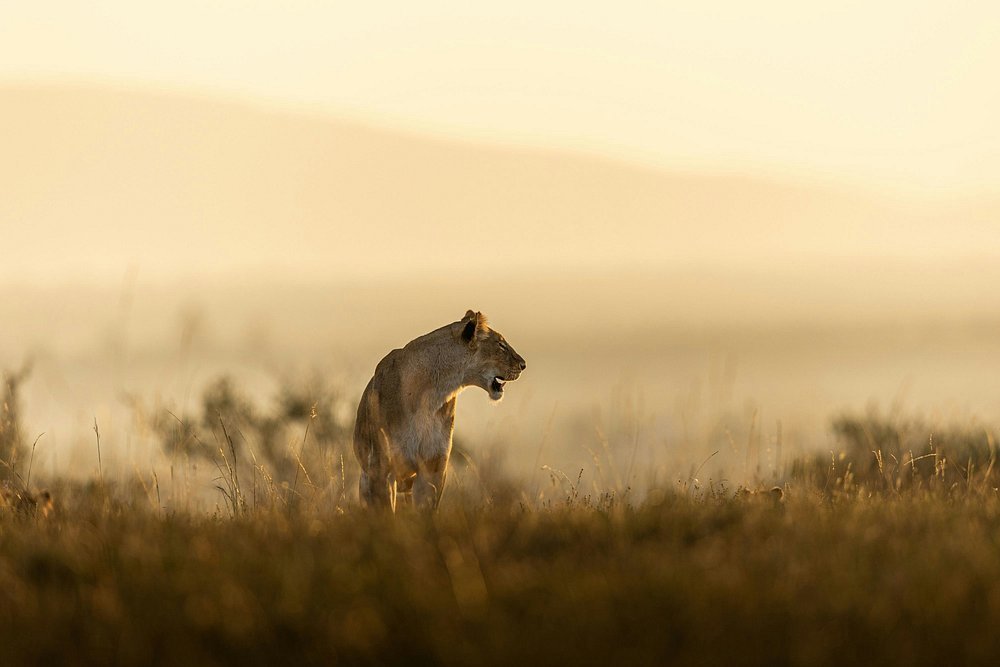
Lions are among the most sought-after animals on safari. The Maasai Mara, Serengeti and Ngorongoro all support lion populations.
Game drives may offer opportunities to observe lions resting, interacting within prides or moving through their habitats.
Elephants
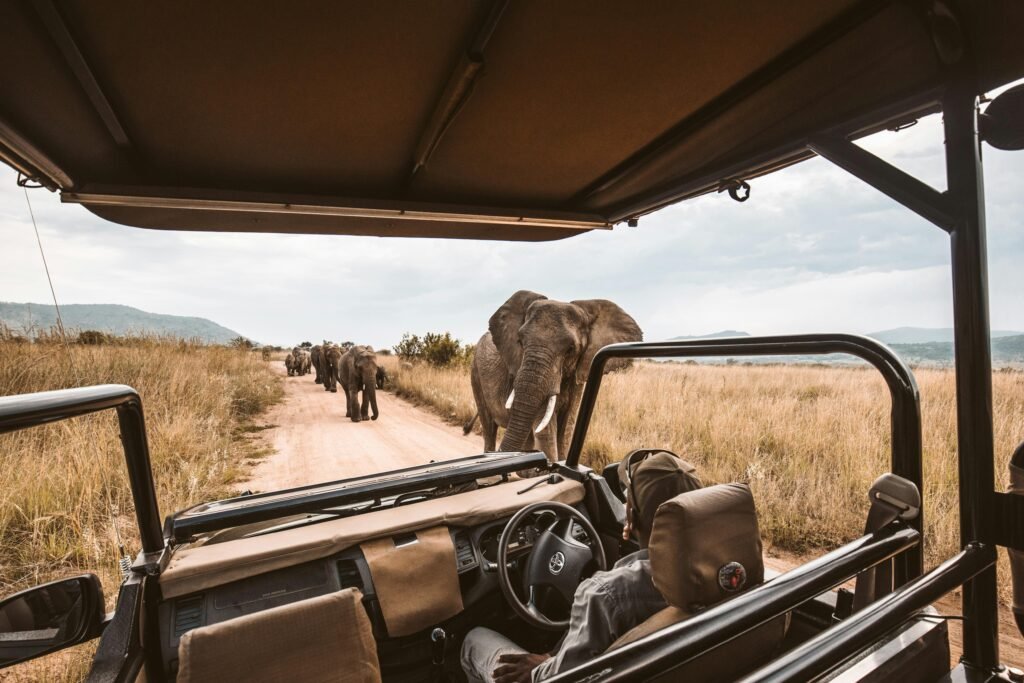
Elephants can be encountered in Kenya and Tanzania, including Amboseli, Tarangire, Serengeti and Ngorongoro.
Their behaviour varies according to habitat, season and environmental conditions.
Leopards and Cheetahs
Leopards are present in several safari destinations but are often difficult to locate because of their elusive behaviour.
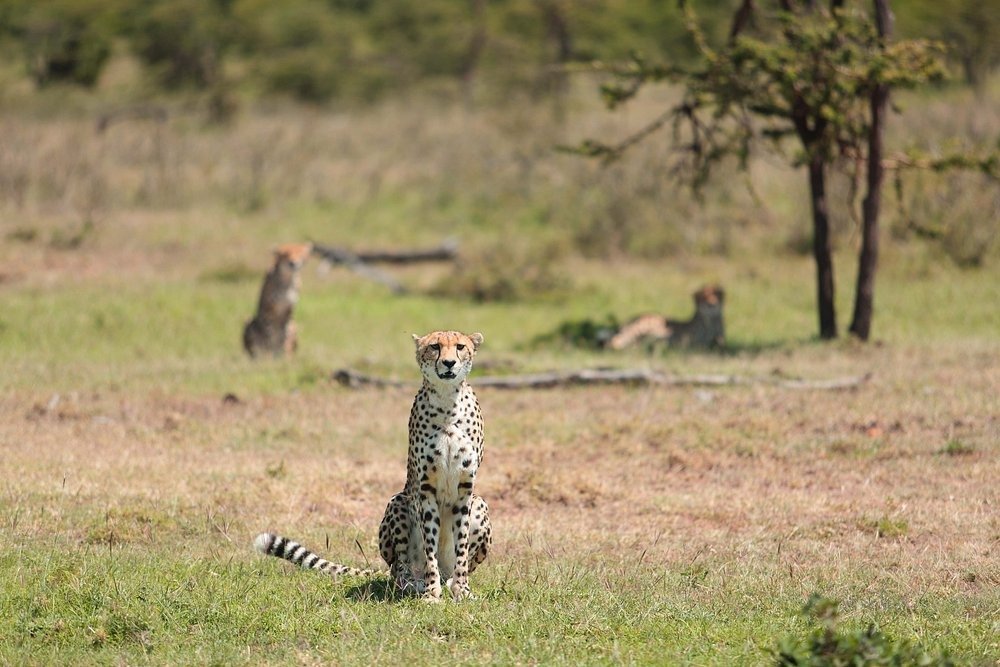
Cheetahs are associated with open grasslands and can sometimes be seen hunting or resting in areas where prey is available.
Wildebeest and Zebra
Wildebeest and zebra are central to the Great Migration.
Their movements through the Serengeti and Maasai Mara are influenced by rainfall and grazing conditions, creating seasonal opportunities for wildlife viewing.
Buffaloes, Hyenas, Giraffes and Antelopes
These species are commonly associated with East African wildlife environments and may be encountered in different parks along the route.
The variety of species and habitats makes a combined safari rewarding even when migration herds are not in the area.
Accommodation Options for a Kenya and Tanzania Safari
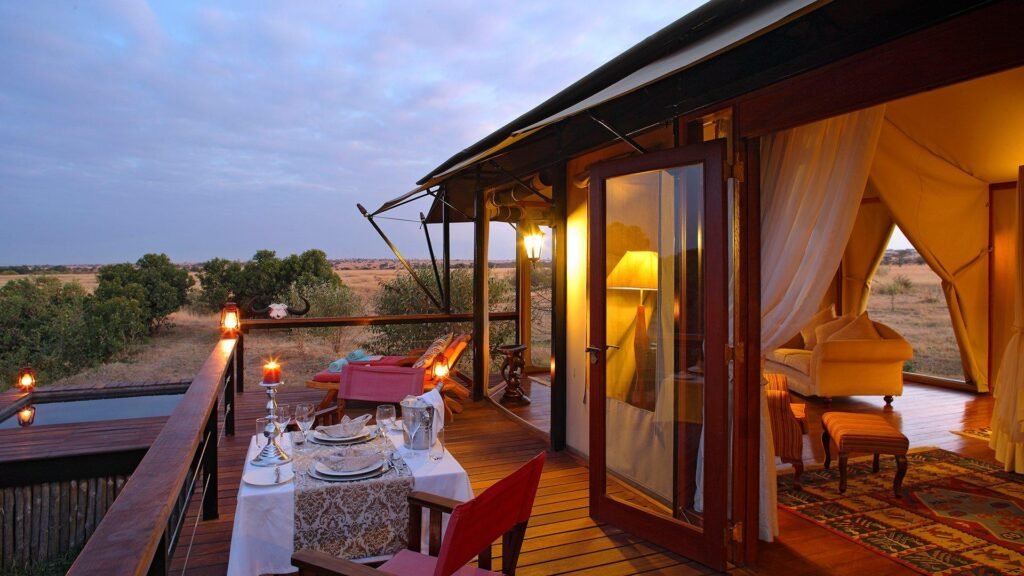
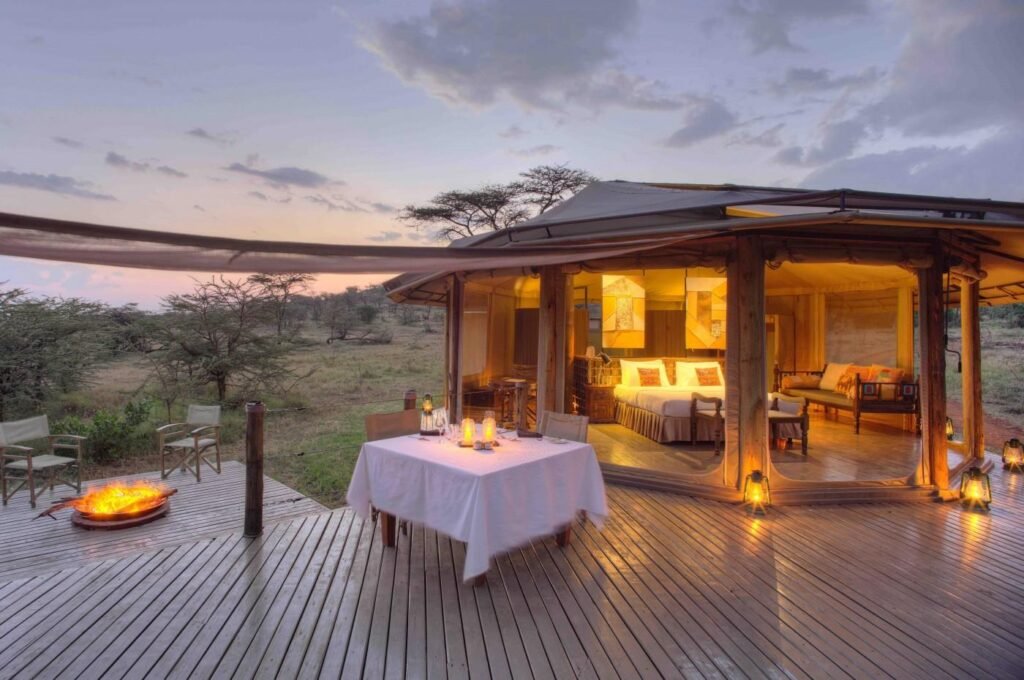
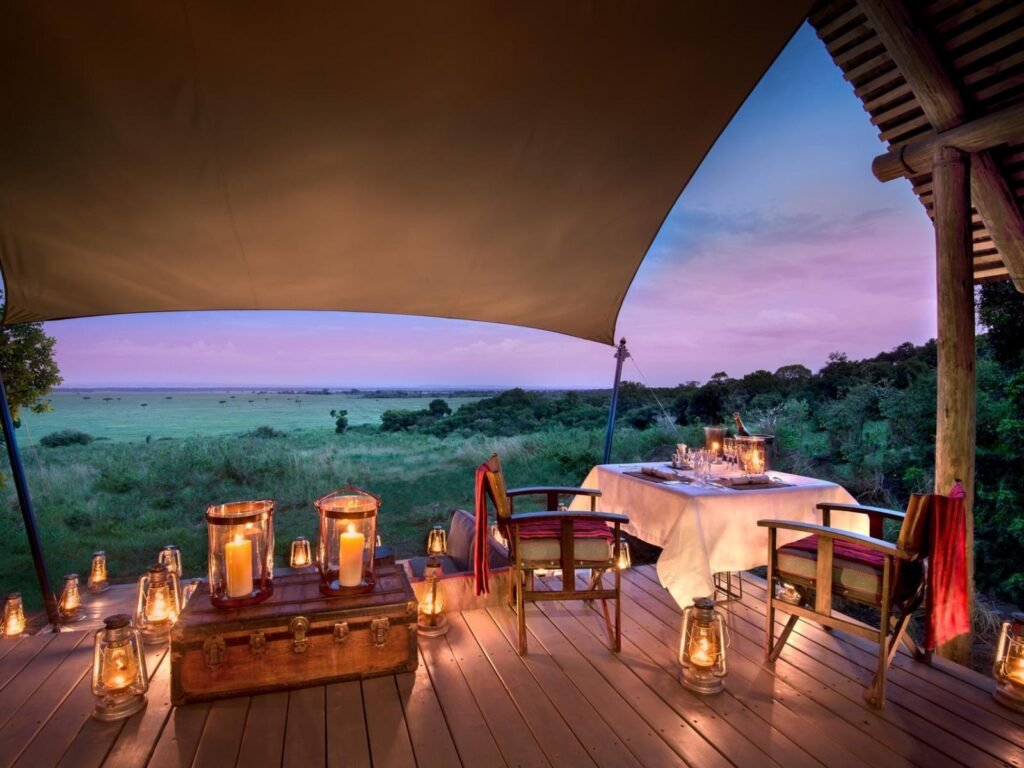
Accommodation is an important part of planning a safari with Ngorongoro Crater.
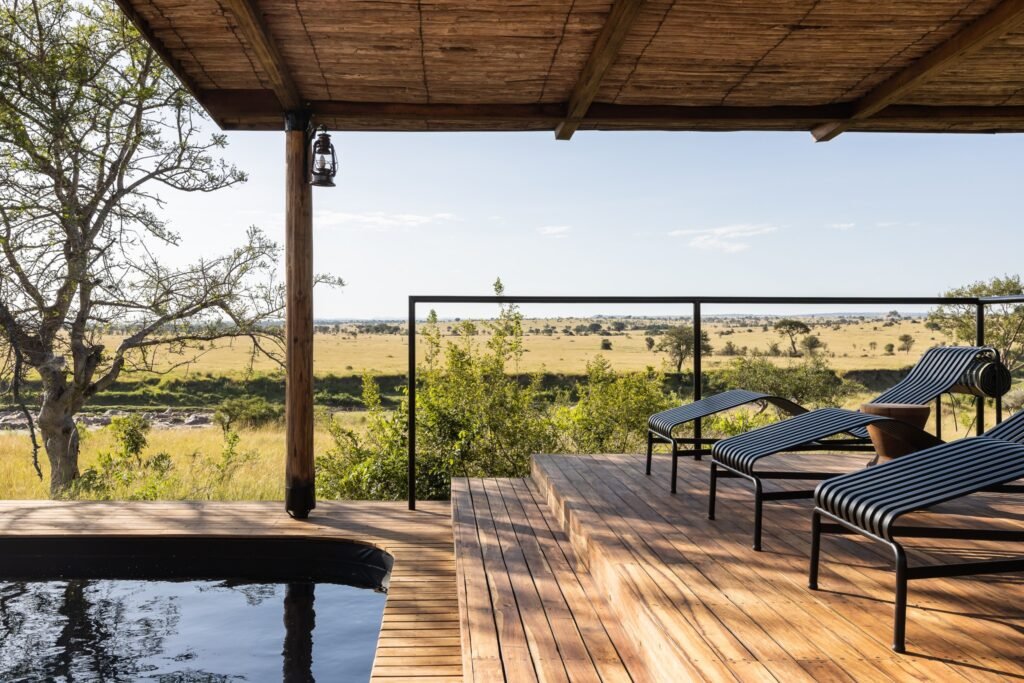
The right accommodation can improve the experience by reducing unnecessary transfers, providing comfortable facilities and placing travellers near the wildlife destinations they want to explore.
Budget Safari Accommodation
Budget accommodation may include simple safari camps, lodges or properties outside the main wildlife areas.
These options are suitable for travellers who prioritise game drives and destination experiences while managing their accommodation costs.
Mid-Range Lodges and Tented Camps
Mid-range accommodation offers a balance between comfort, location and cost.
Travellers may enjoy ensuite tents or rooms, meals, comfortable beds, scenic surroundings and convenient access to wildlife destinations.
This option is popular among couples, families and visitors looking for a comfortable safari without selecting the most expensive properties.
Luxury Lodges and Tented Camps
Luxury accommodation can include spacious suites, high-end tented camps, personalised service, excellent dining, scenic views and exclusive safari experiences.
Luxury properties are often preferred by honeymooners, travellers celebrating special occasions and visitors looking for a more private safari experience.
When choosing accommodation, consider the location carefully. A camp or lodge positioned conveniently for the intended game drives can help reduce unnecessary driving and make the itinerary more comfortable.
How Much Does a Kenya and Tanzania Safari with Ngorongoro Cost?
The cost of a combined safari depends on the number of destinations, travel season, accommodation, vehicle arrangements, park fees and number of travellers.
Accommodation
Accommodation is often one of the largest safari expenses.
Rates vary between budget camps, mid-range lodges and luxury properties. Peak-season dates can also influence the final price.
Park and Conservation Fees
Each destination has applicable park or conservation charges.
A combined itinerary involving the Maasai Mara, Serengeti and Ngorongoro requires fees for the relevant destinations and activities. Rates may vary according to visitor category, dates, accommodation arrangements and current regulations.
Safari Transport
The safari may include private vehicles, professional guides, fuel, transfers and cross-border arrangements.
Road-based itineraries and fly-in safaris have different cost structures.
Border Transfers
International transfers between Kenya and Tanzania require coordination.
The route, vehicle arrangements, guide handover and transfer costs should be included in the quotation.
Flights
Flights can reduce travel time between destinations but may increase the safari price.
The cost depends on the route, airline, season, luggage allowance and availability.
Travel Season
Peak-season accommodation and transport can be more expensive than travelling during quieter periods.
Travellers who have flexible dates may be able to adjust their safari to suit their budget.
A tailor-made itinerary allows you to choose the destinations, accommodation and transport arrangements that best suit your preferences.
Who Should Choose a Kenya and Tanzania Safari with Ngorongoro?
First-Time Safari Travellers
A combined Kenya and Tanzania safari offers a broad introduction to East African wildlife.
Visitors can experience different landscapes, wildlife habitats and safari environments within one holiday.
Couples and Honeymooners
Couples may enjoy private game drives, scenic lodges, luxury tented camps and relaxed evenings surrounded by nature.
The safari can be designed around preferred accommodation, privacy and a comfortable pace.
Explore our Kenya and Tanzania honeymoon safaris for ideas on planning a romantic wildlife holiday.
Families
Families can enjoy a combined safari when the itinerary is designed around the children’s ages, travel duration, accommodation needs and game drive preferences.
A slower route with fewer destinations may be preferable to an itinerary involving long transfers every day.
Explore our family safari packages for inspiration.
Wildlife Enthusiasts and Photographers
The Maasai Mara, Serengeti and Ngorongoro offer a range of landscapes and wildlife experiences.
Travellers interested in photography may benefit from additional nights in selected destinations, allowing time to explore different habitats and observe wildlife without rushing.
Important Travel Considerations
Passports and Entry Requirements
Travellers should check passport validity, visa requirements and entry conditions for both Kenya and Tanzania before travelling.
Requirements depend on nationality and may change. Confirm the current regulations through official immigration authorities.
Border Crossing Arrangements
The route should clearly identify the border crossing and transfer arrangements.
Depending on the safari operator’s vehicles and applicable regulations, travellers may change vehicles or guides when moving between countries.
Travel Insurance
Travel insurance is recommended for international safari travellers.
Confirm that your insurance covers your planned destinations, activities, medical needs, travel interruptions and other relevant risks.
Travel Distances and Road Conditions
Safari routes can involve long road transfers.
Allowing enough time for travel, immigration procedures, game drives and rest is essential for a comfortable experience.
Departure Airport
Combined safaris may finish in Arusha, Kilimanjaro or another location depending on the route.
The final day’s activities should be planned around your flight departure time to avoid unnecessary pressure.
How to Plan the Perfect Kenya and Tanzania Wildlife Route
The ideal combined safari is built around the traveller’s priorities rather than the number of parks included.
Start by deciding whether the Maasai Mara, Amboseli or another Kenyan destination is your main priority. Then select the Tanzania parks that complement the Kenyan experience.
For many travellers, the Maasai Mara, Serengeti and Ngorongoro Crater provide a strong combination of wildlife destinations. Tarangire can be added when the available days and route allow.
Consider the following before booking:
- Your arrival and departure airports
- Number of available safari days
- Preferred travel season
- Migration interests
- Accommodation standards
- Budget
- Private or shared safari arrangements
- Road travel versus flights
- Family, honeymoon or photography requirements
Once these details are clear, it becomes easier to create a practical itinerary with appropriate travel days and sufficient time for game drives.
Explore our Kenya and Tanzania safari packages for combined safari ideas or our customised Africa safaris for an itinerary designed around your specific travel dates, destinations and preferences.
Frequently Asked Questions
Can I visit Kenya, Serengeti and Ngorongoro Crater in one safari?
Yes. The Maasai Mara or other Kenyan destinations can be combined with Serengeti National Park and Ngorongoro Crater in one safari. The route and duration should be planned around border arrangements and travel distances.
How many days are needed for a Kenya and Tanzania safari?
Seven days may be possible for a compact itinerary, but nine to twelve days or more generally allows a more comfortable experience when combining multiple wildlife destinations.
Is Ngorongoro Crater worth visiting?
Ngorongoro Crater is a popular safari destination because of its scenery, varied habitats and wildlife. It offers a different experience from the open plains of the Serengeti and Maasai Mara.
Can I combine Maasai Mara, Serengeti and Ngorongoro?
Yes. This is one of the popular combined Kenya and Tanzania safari routes. The itinerary can be arranged by road or using selected flights, depending on travel dates, budget and available connections.
Which border should I use when travelling from Kenya to Tanzania?
The appropriate border depends on your route. Isebania-Sirari is commonly used for Maasai Mara to Serengeti itineraries, while Namanga is useful for routes linking Nairobi or Amboseli with Arusha and northern Tanzania.
Can Tarangire be added to the safari?
Yes. Tarangire can be added before or after Ngorongoro, depending on the itinerary. Additional days may be needed to avoid rushing between destinations.
Can I see the Great Migration during this safari?
It is possible, depending on the season and location of the herds. The migration moves through different areas of the Serengeti ecosystem and into the Maasai Mara at different times. Wildlife movements are natural and cannot be guaranteed.
Is a road safari or fly-in safari better?
A road safari can offer flexibility and may be more economical depending on the itinerary. Fly-in safaris reduce some transfer times and can help travellers maximise time in wildlife areas. The best option depends on your budget, available days and preferred experience.
Can I add Zanzibar after Ngorongoro?
Yes. Zanzibar can be added as a beach extension, depending on available flight connections and the overall itinerary. It is a popular choice for travellers who want to combine wildlife viewing with relaxation.
Can the itinerary be customised?
Yes. The itinerary can be customised according to travel dates, budget, accommodation preferences, wildlife interests, number of travellers and preferred transport arrangements.
Explore Kenya and Tanzania with Ngorongoro Crater
A Kenya and Tanzania safari featuring Ngorongoro Crater offers a remarkable combination of wildlife, scenery and destination diversity.
From Kenya’s open savannahs and elephant landscapes to the Serengeti’s vast plains and Ngorongoro’s unique crater ecosystem, the journey provides a broad experience of East Africa.
The key to a successful safari is choosing the right route, allowing sufficient time in each destination and balancing wildlife viewing with comfortable travel arrangements.
Whether you are planning a private safari, family holiday, honeymoon, luxury wildlife experience or photography trip, Kenya and Tanzania can be combined into an unforgettable safari.
Explore our Kenya and Tanzania safari packages and begin planning a wildlife journey built around your interests, travel dates and budget.