Nairobi to Nairobi Safaris: The Best Kenya Wildlife Tours Starting and Ending in Nairobi
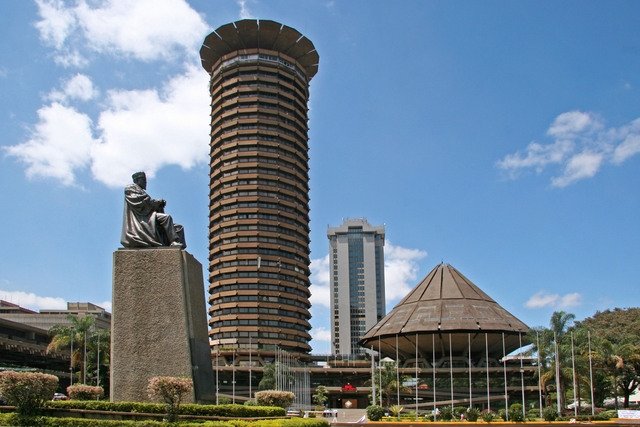
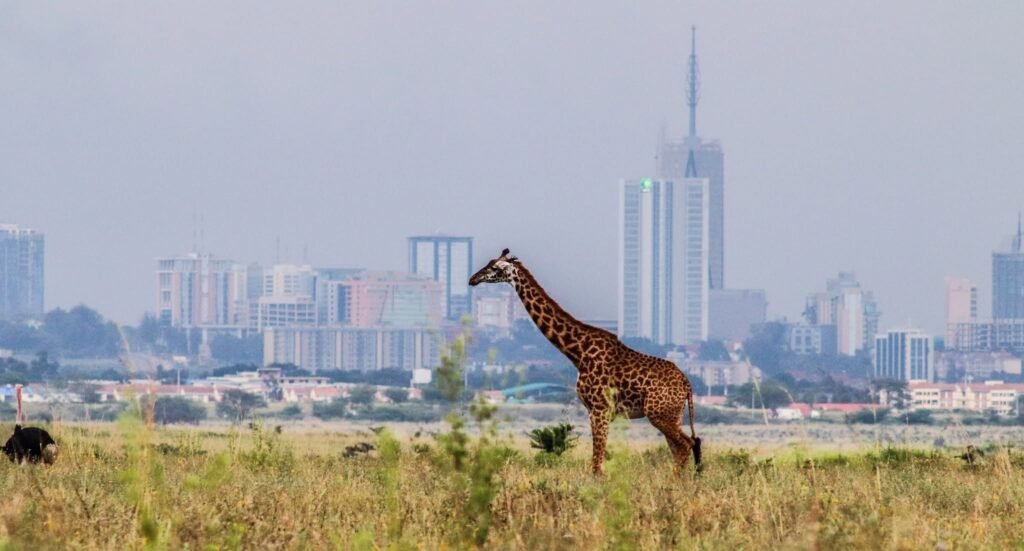
Nairobi is one of the most convenient starting points for exploring Kenya’s wildlife destinations. For international visitors arriving at Jomo Kenyatta International Airport, the city provides access to several national parks, national reserves and private conservancies across the country.
A Nairobi-to-Nairobi safari is an arrangement where the journey begins in Nairobi, takes travellers to selected wildlife destinations and finishes back in the capital. It is particularly suitable for visitors who want to explore Kenya before returning to Nairobi for an international flight, a hotel stay or another part of their holiday.
The main advantage is flexibility. Depending on the number of days available, travellers can choose a short safari to one destination or a longer itinerary covering several different ecosystems.
At Horizon Explorer Africa Safaris, Nairobi-based safari packages include options for different durations, destinations and accommodation preferences. This guide explains how to choose a suitable route and what to consider when planning your safari.
1. Why choose a Nairobi-to-Nairobi safari?
Starting and finishing in Nairobi makes travel planning easier for visitors whose flights arrive and depart from the capital.
Rather than arranging separate transfers to and from different locations, travellers can have their safari transport, accommodation and park visits organised as part of one itinerary.
A Nairobi-to-Nairobi safari can be suitable for:
- International visitors arriving and departing through Nairobi.
- Families looking for a wildlife holiday with organised transport.
- Couples planning a private Kenya safari.
- Business travellers adding a few days of wildlife viewing to their stay.
- Visitors who want to explore Kenya before continuing to Tanzania or another destination.
- Travellers who prefer a road safari with a dedicated driver-guide.
The route can also be adjusted according to the number of days available. A two- or three-day safari may focus on one main destination, while a longer journey can include several parks.
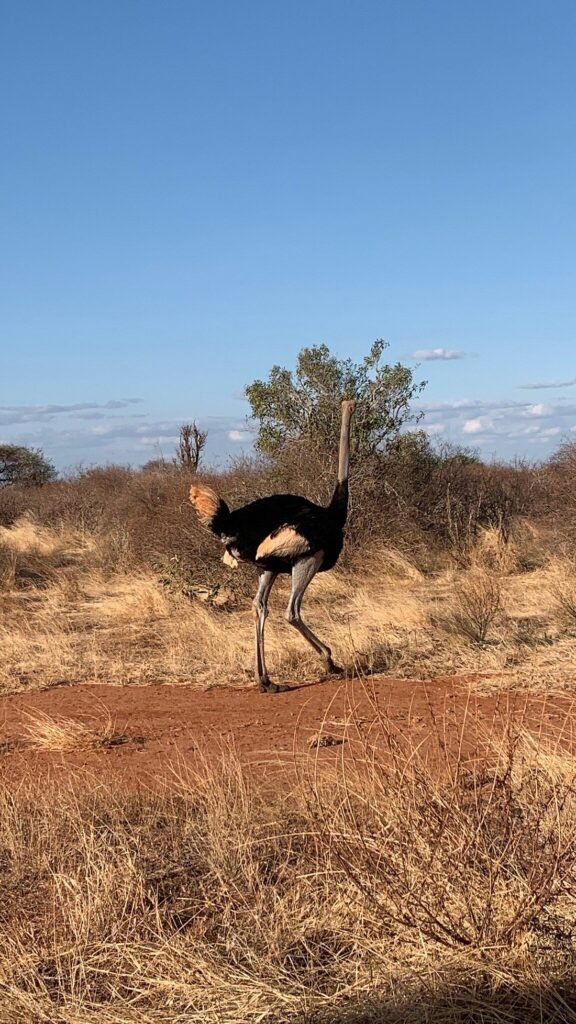
2. Best national parks and reserves for a safari from Nairobi
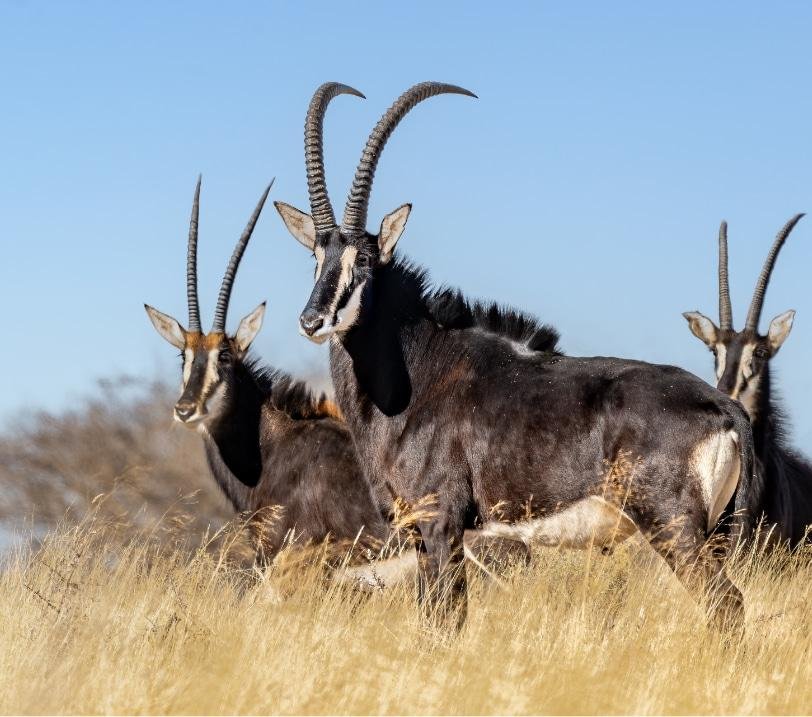
Kenya has a variety of wildlife destinations, each offering a different landscape and experience. The best choice depends on what you want to see, how much time you have and how far you are comfortable travelling.
Maasai Mara National Reserve
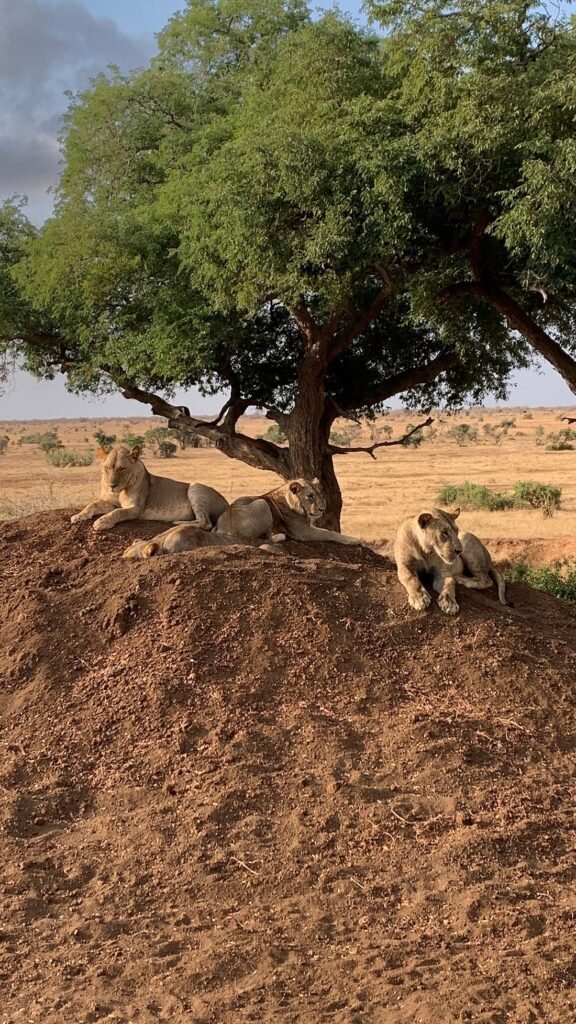
The Maasai Mara is among Kenya’s best-known safari destinations. Its open grasslands support a wide variety of wildlife, including lions, elephants, cheetahs, giraffes, buffaloes, zebras and wildebeest.
The reserve is also associated with the annual wildebeest migration, when large herds move between the Serengeti ecosystem in Tanzania and the Maasai Mara in Kenya. The timing and location of wildlife movements vary, so specific sightings cannot be guaranteed.
A Maasai Mara safari from Nairobi is suitable for travellers who want to experience Kenya’s classic savannah landscapes and spend time on game drives.
For a short visit, consider the 3-day Maasai Mara safari from Nairobi or the 4-day Maasai Mara safari.
Amboseli National Park
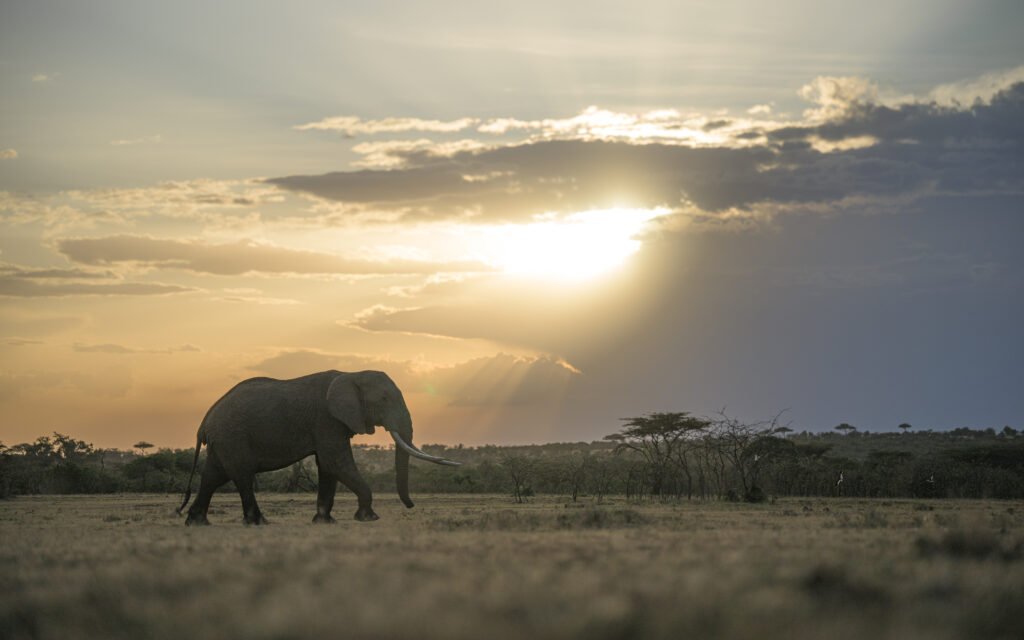
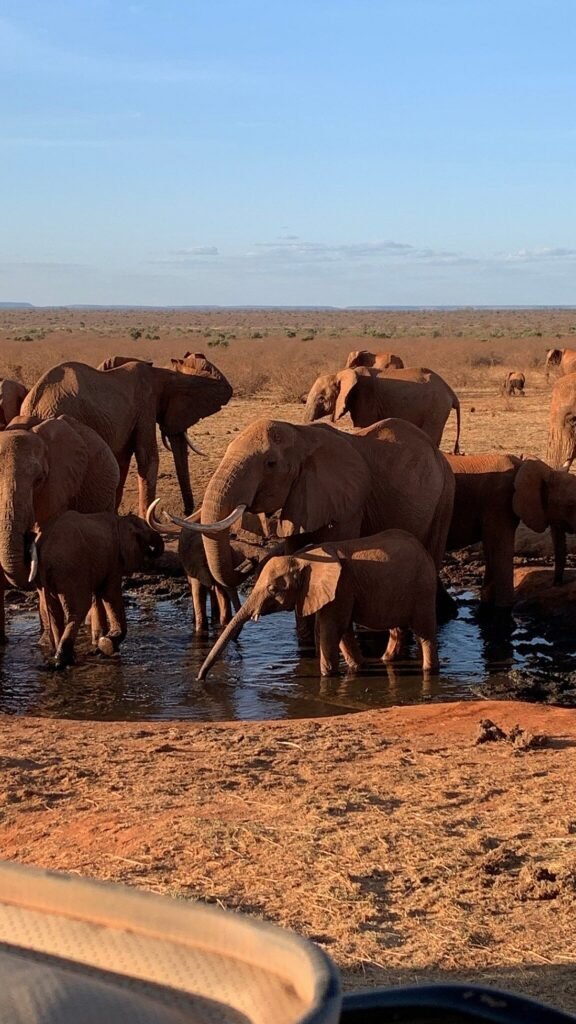
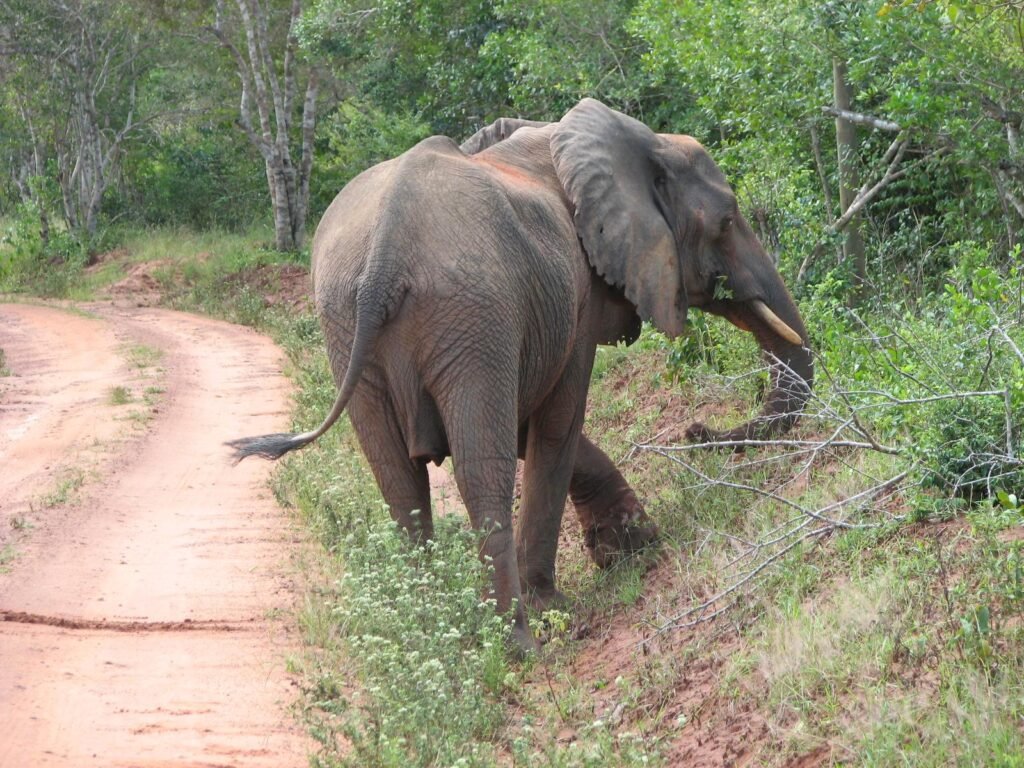
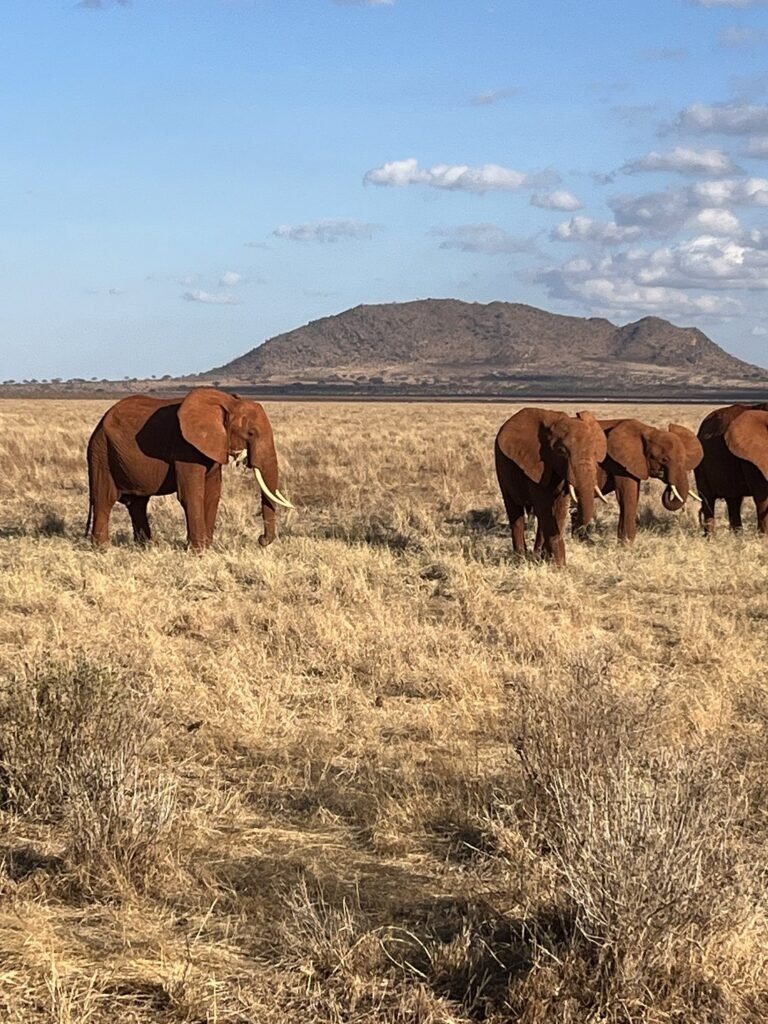
Amboseli is located in southern Kenya near the Tanzania border. It is particularly well known for its elephants, open landscapes and views of Mount Kilimanjaro when weather conditions are clear.
The park’s wetlands, plains and woodland habitats provide opportunities to observe different wildlife species and birdlife.
Amboseli is a strong option for travellers interested in elephants, landscape photography and a safari experience with a distinctive mountain backdrop.
A 3-day Amboseli safari from Nairobi provides two nights in the Amboseli area and time for several game drives.
Lake Nakuru National Park
Lake Nakuru National Park is located in the Great Rift Valley. It is known for its birdlife and rhino conservation, with black and white rhinos among the important wildlife attractions.
The park also supports giraffes, buffaloes, zebras and other wildlife within a landscape of lake shores, woodland and open grassland.
Lake Nakuru can be included in a longer circuit or combined with the Maasai Mara for travellers who want to experience two contrasting wildlife areas.
The 3-day Lake Nakuru and Maasai Mara safari from Nairobi is one example of this combination.
Lake Naivasha and Hell’s Gate
Lake Naivasha offers a different experience from the traditional game-drive safari. The freshwater lake and surrounding landscape are known for birdlife and opportunities to enjoy the Rift Valley environment.
Depending on the selected activities and current conditions, visitors may consider a boat excursion or a visit to nearby Hell’s Gate National Park.
Naivasha can work well as part of a longer Nairobi safari circuit, particularly when combined with Lake Nakuru and the Maasai Mara.
Ol Pejeta Conservancy
Ol Pejeta Conservancy, located in Laikipia County, is known for its wildlife conservation work and rhino protection programmes.
It is an interesting destination for travellers who want to learn more about conservation alongside wildlife viewing.
A visit can be included in a northern Kenya itinerary, sometimes alongside other destinations such as the Aberdare region.
Samburu National Reserve
Samburu offers a distinctive northern Kenya landscape, with semi-arid terrain and wildlife species adapted to this environment.
It is particularly interesting for visitors who want to explore beyond the more frequently visited southern and western safari circuits.
Samburu generally requires more travel time from Nairobi than some of the central and southern destinations, so it is better suited to a longer safari.
3. Choosing the right safari duration
The number of days available is one of the most important factors when selecting a Nairobi-to-Nairobi safari.
The objective should be to spend enough time at each destination to enjoy game drives rather than trying to cover too many parks in a short period.
Two days: A short wildlife getaway
A two-day safari is suitable for travellers with very limited time. It normally focuses on one main destination, with an overnight stay and selected game drives.
Amboseli and Lake Nakuru are among the destinations that can be considered, depending on the route and travel arrangements.
Three days: A focused Kenya safari
Three days provide more time for wildlife viewing and can work well for a destination such as Amboseli or the Maasai Mara.
Some itineraries can also combine Lake Nakuru and the Maasai Mara, although this involves more road travel and a carefully planned schedule.
Four to five days: More time in the parks
A four- or five-day safari gives travellers more flexibility.
You may choose to spend additional nights in one destination or combine two parks without making the programme excessively rushed.
This duration is suitable for visitors who want a more balanced experience between travel, accommodation and game drives.
Six to seven days: A wider wildlife circuit
With six or seven days, it becomes possible to explore a broader selection of Kenya’s wildlife destinations.
A route may include Amboseli, Lake Naivasha, Lake Nakuru and the Maasai Mara, depending on the preferred order and available travel time.
Horizon Explorer Africa Safaris offers options such as the 6-day Amboseli, Lake Naivasha and Maasai Mara safari and the 7-day Maasai Mara, Lake Nakuru and Lake Naivasha safari.
Eight days or longer: A more extensive Kenya experience
Travellers with more time can consider a longer circuit that includes several regions.
Depending on their interests, they may explore central Kenya, the Rift Valley, the Maasai Mara and southern Kenya.
A longer itinerary also allows more flexibility for photography, birdwatching, cultural experiences and additional nights at selected lodges.
4. Sample Nairobi-to-Nairobi safari route ideas
There is no single route that suits every traveller. The following examples illustrate how different itineraries can be planned around available time.
Option A: Amboseli, three days
- Day 1: Nairobi to Amboseli, followed by an afternoon game drive.
- Day 2: Morning and afternoon game drives in Amboseli.
- Day 3: Final wildlife viewing and return to Nairobi.
This route is suitable for visitors interested in elephants and the scenery around Mount Kilimanjaro.
Option B: Lake Nakuru and Maasai Mara, three days
- Day 1: Nairobi to Lake Nakuru, with an afternoon game drive.
- Day 2: Travel to the Maasai Mara and enjoy an afternoon game drive.
- Day 3: Morning game drive before returning to Nairobi.
This itinerary introduces visitors to two different wildlife environments, although the transfer between the destinations makes it a relatively compact programme.
Option C: Amboseli, Lake Naivasha and Maasai Mara, six days
- Day 1: Nairobi to Amboseli.
- Day 2: Game drives in Amboseli.
- Day 3: Travel towards Lake Naivasha.
- Day 4: Enjoy the Naivasha area before continuing towards the Maasai Mara, according to the final route and accommodation arrangements.
- Day 5: Game drives in the Maasai Mara.
- Day 6: Return to Nairobi.
The precise overnight sequence should be confirmed when preparing the itinerary. Travel times, park access and accommodation locations all influence the best order.
These examples are planning outlines, not fixed schedules. The final itinerary should reflect actual road conditions, park entry arrangements and the locations of selected accommodation.
5. Road safari or fly-in safari from Nairobi?
Travellers planning a safari from Nairobi can usually consider either a road-based arrangement or a fly-in option where suitable flights operate.
Road safaris
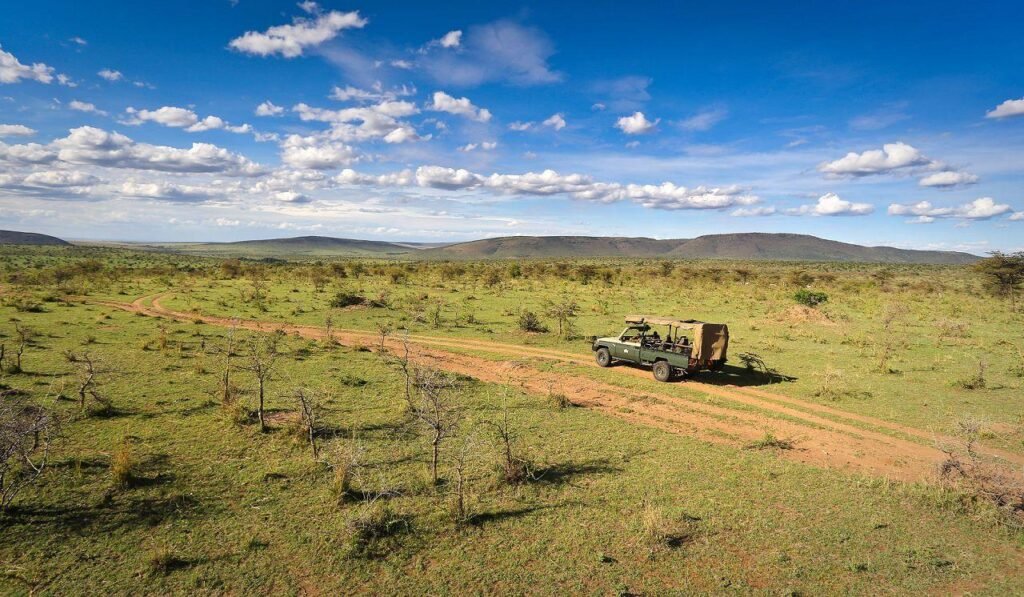
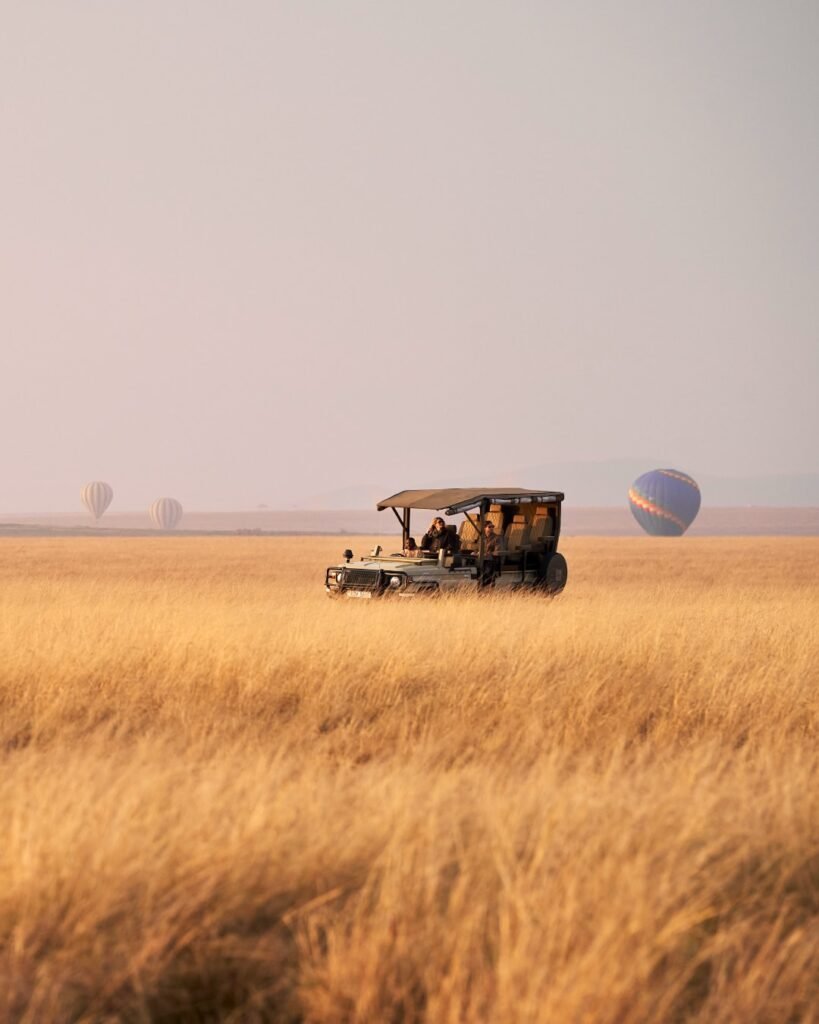
A road safari uses a safari vehicle to travel from Nairobi to the selected destinations.
It can be suitable for visitors who:
- Want a private vehicle and driver-guide.
- Have enough time for road transfers.
- Prefer to explore the countryside along the way.
- Want to combine destinations that are practical to reach by road.
- Are looking for a range of accommodation and budget options.
A 4×4 safari Land Cruiser is often selected for private wildlife tours, while other vehicle arrangements may be available depending on the package.
Fly-in safaris
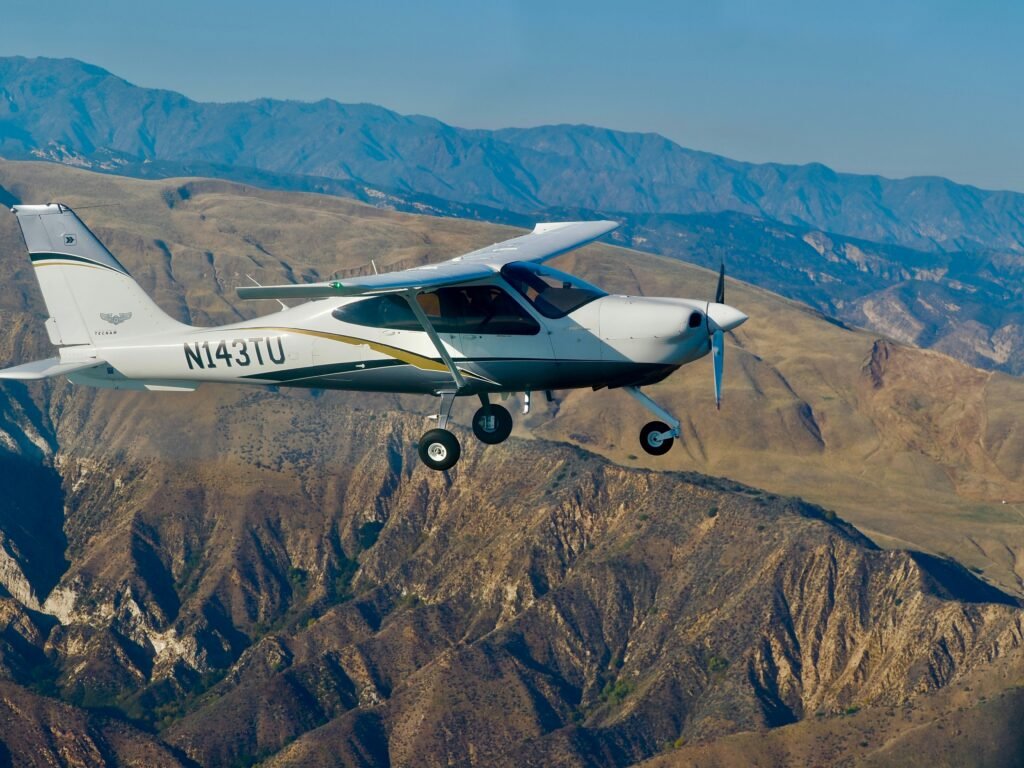
A fly-in safari uses domestic aircraft to reach selected safari destinations, followed by transfers to the lodge or camp.
It can be useful for travellers with limited time or those who prefer to reduce long road journeys.
However, flight availability, luggage restrictions, airstrip transfers and additional costs must be considered before choosing this option.
For more information, visit the Kenya fly-in safari packages.
The right option depends on the destination, schedule, budget and preferred style of travel.
6. What is included in a Nairobi-to-Nairobi safari package?
Inclusions vary from one itinerary to another. Before confirming a booking, travellers should request a clear breakdown of the services covered by the quotation.
A safari package may include:
- Pickup and drop-off in Nairobi.
- Transport in a safari vehicle.
- Services of a professional driver-guide.
- Accommodation during the safari.
- Meals as specified in the itinerary.
- Park or reserve entry fees, where stated.
- Scheduled game drives.
- Drinking water during the safari.
Some costs may be excluded, such as international flights, travel insurance, personal expenses, tips, optional activities and items not specifically listed in the quotation.
It is also important to confirm whether the safari is private or shared and whether the quoted accommodation is budget, midrange or luxury.
7. Choosing accommodation for your Kenya safari
Accommodation plays an important role in the overall safari experience.
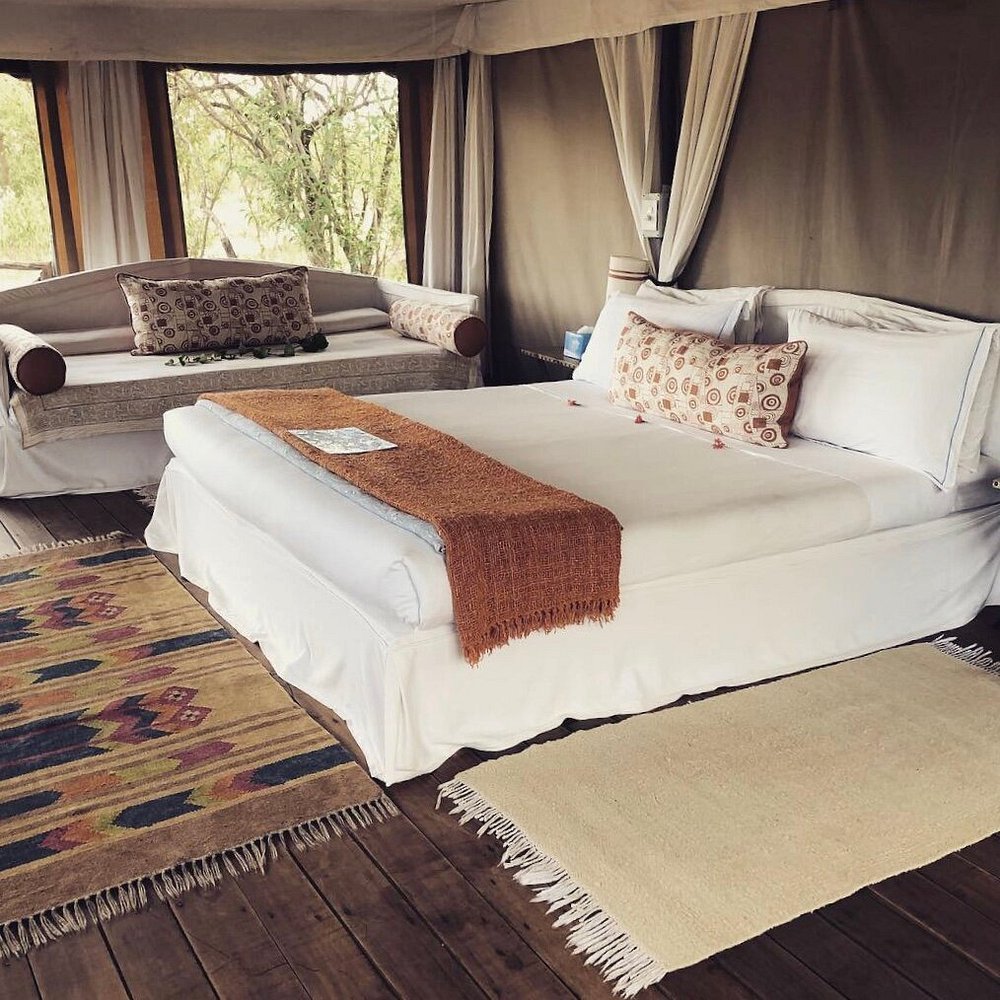
Travellers can choose from different types of properties, including safari lodges, tented camps and hotels located near or within selected wildlife areas.
When comparing accommodation, consider:
Location: A property close to the preferred game-viewing area may reduce unnecessary transfers.
Comfort: Room standards, facilities, dining arrangements and the general atmosphere vary between properties.
Budget: The accommodation category has a direct effect on the overall safari cost.
Meal arrangements: Confirm whether breakfast, lunch and dinner are included.
Travel dates: Availability and rates can vary according to season and demand.
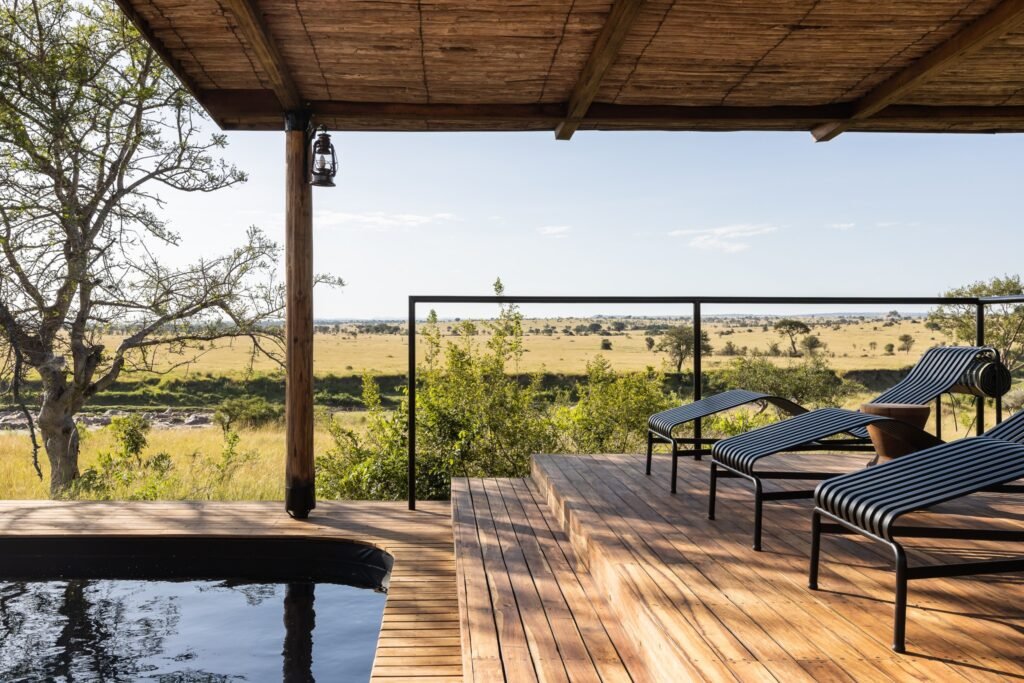
Rather than choosing accommodation based on photographs alone, compare its location, facilities and suitability for your itinerary.
8. When is the best time to take a Nairobi-to-Nairobi safari?
Kenya offers wildlife experiences throughout the year, but weather conditions and seasonal wildlife movements can influence the type of experience visitors have.
The drier months are popular for safari travel because vegetation in many areas is less dense and some wildlife becomes easier to spot around water sources.
The Maasai Mara receives particular attention during the seasonal wildebeest migration, although the exact timing and location of the herds vary from year to year.
The wetter periods can offer greener scenery and excellent photographic conditions, although some roads may become more challenging after heavy rain.
Amboseli, Lake Nakuru, Naivasha and other destinations each have their own local conditions. It is therefore better to select travel dates based on the preferred destination and overall itinerary rather than assuming that one month is ideal for every park.
9. Can you customise a Nairobi-to-Nairobi safari?
Yes. A Nairobi-to-Nairobi safari can be designed around the traveller’s interests, schedule and preferred accommodation.
For example:
- Families may prefer a manageable route with comfortable accommodation and fewer long transfers.
- Couples may choose a private safari with selected lodges and additional time at each destination.
- Photographers may want longer stays in areas with varied landscapes and wildlife.
- Birdwatchers may prefer destinations with diverse habitats and birdlife.
- First-time visitors may want to combine well-known destinations such as Amboseli, Lake Nakuru and the Maasai Mara.
A customised itinerary should also consider arrival and departure times, hotel pickup arrangements and the time needed to travel between destinations.
You can learn more about customised Africa safaris and discuss the route that best suits your plans.
10. Planning your Nairobi-to-Nairobi safari with Horizon Explorer Africa Safaris
A successful safari begins with a realistic itinerary.
The right destination, number of nights, accommodation category and transport arrangements should all work together. This is especially important when you have a fixed departure date or need to connect your safari with an international flight.
Horizon Explorer Africa Safaris offers a range of Kenya safari packages starting and ending in Nairobi, including short wildlife getaways and longer multi-destination itineraries.
You can explore the available Kenya safari packages and compare options based on your preferred destinations and travel dates.
Request a Nairobi-to-Nairobi safari quotation
When making an enquiry, provide:
- Your preferred travel dates.
- The number of adults and children travelling.
- Your preferred safari duration.
- The destinations you would like to visit.
- Your accommodation preference: budget, midrange or luxury.
- Whether you prefer a private or shared safari.
If you have not decided on the destinations, the team can help you assess suitable options based on your available time and interests.
The aim is to create a well-planned Kenya safari that begins and ends conveniently in Nairobi, without compromising the time available for wildlife viewing.
Horizon Explorer Africa Safaris: Your journey, your way.
Frequently Asked Questions
1. What is a Nairobi-to-Nairobi safari?
It is a safari that starts in Nairobi, visits one or more selected wildlife destinations and returns to Nairobi at the end of the trip.
2. Which national parks can I visit on a safari from Nairobi?
Popular options include the Maasai Mara, Amboseli, Lake Nakuru, Lake Naivasha, Ol Pejeta, Aberdare and Samburu. The best combination depends on the available time and preferred route.
3. Can I do a three-day safari from Nairobi?
Yes. Three-day options can focus on destinations such as Amboseli or the Maasai Mara. It is also possible to combine Lake Nakuru and the Maasai Mara, although this involves more travelling.
4. Is a private Nairobi safari available?
Private safari arrangements can be requested. These allow the itinerary, accommodation and travel arrangements to be planned around your group.
5. Can I combine several national parks in one safari?
Yes. Longer itineraries can combine destinations such as Amboseli, Lake Naivasha, Lake Nakuru and the Maasai Mara. The route should be planned carefully to allow enough time for game drives.
6. Is a road safari better than a fly-in safari?
Neither is automatically better. Road safaris can offer flexibility and may suit travellers with more time, while fly-in safaris can reduce travel time to selected destinations. The best option depends on the route, schedule and budget.
7. Does a Nairobi-to-Nairobi safari include airport transfers?
Some packages include Nairobi airport transfers, while others may specify hotel or residence pickup and drop-off. Always confirm the exact pickup and final drop-off arrangements before booking.
8. How far in advance should I book a Kenya safari?
Booking in advance is advisable, particularly for popular travel periods and preferred lodges. Early planning gives you more opportunity to compare accommodation and arrange the itinerary around your dates.
9. Can I finish my safari at Nairobi airport?
This can be arranged, but the timing should be planned carefully. Road travel times can vary, so travellers with international flights should allow a comfortable buffer or consider spending a final night in Nairobi.
10. How do I get a quotation for a Nairobi-to-Nairobi safari?
Contact Horizon Explorer Africa Safaris with your travel dates, group size, preferred duration, accommodation category and destinations. The team can then recommend a suitable itinerary and prepare a quotation.