INTRODUCTION
Choosing between Kenya and Tanzania for a safari is one of the biggest decisions travelers make when planning an East African adventure. Both countries offer exceptional wildlife experiences, iconic landscapes, and world-famous safari destinations. For many travelers, the best option is not choosing one over the other — but combining both in a Kenya–Tanzania cross-border safari.
From Maasai Mara and Serengeti to Amboseli and Ngorongoro Crater, cross-border safaris allow travelers to experience multiple ecosystems, wildlife habitats, and safari styles within one journey.
This guide explores the differences between Kenya and Tanzania safaris, the best cross-border safari routes, costs, travel logistics, and how to choose the right itinerary based on travel style, budget, and available time.
WHY COMBINE KENYA AND TANZANIA IN ONE SAFARI?
A Kenya–Tanzania safari offers more diversity than visiting a single country alone. The two countries share connected wildlife ecosystems, including the Great Migration route between Maasai Mara and Serengeti.
Benefits of a cross-border safari include:
- Access to East Africa’s most famous parks
- Diverse landscapes and wildlife habitats
- Greater flexibility in safari routes
- More varied wildlife viewing experiences
- Better safari customization options
Cross-border itineraries are especially popular among travelers visiting East Africa for the first time.
MOST POPULAR KENYA–TANZANIA SAFARI ROUTES
1. Maasai Mara & Serengeti Safari
Best For:
Classic wildlife safaris and Great Migration experiences.
Why Travelers Choose It:
This is the most searched and most requested cross-border safari combination in East Africa.
Highlights:
- Big Five wildlife viewing
- Vast savannah landscapes
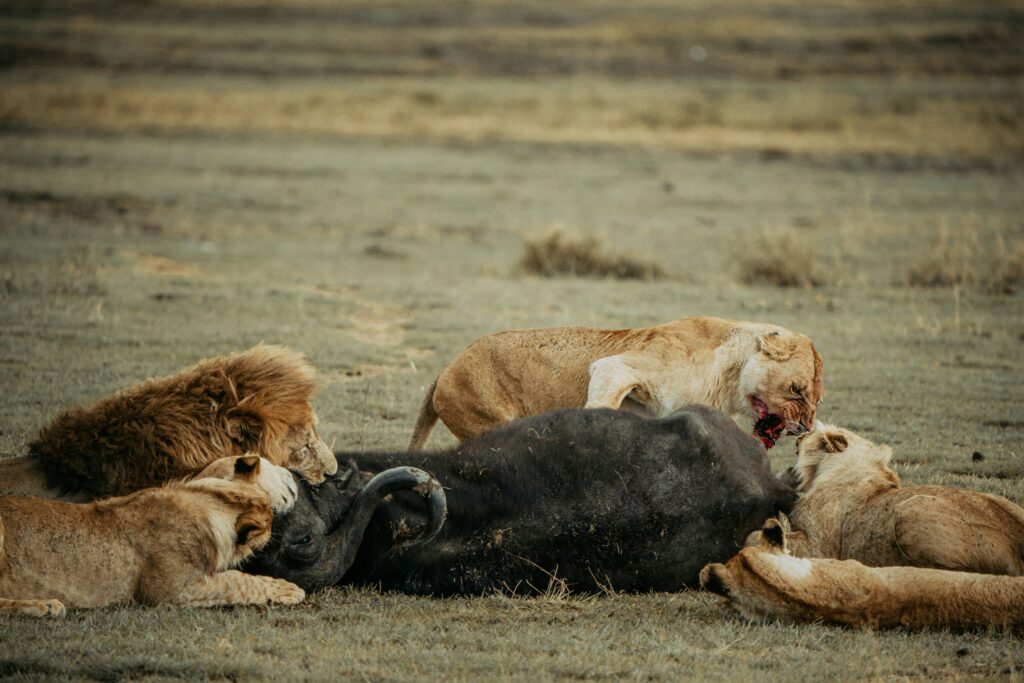
- Predator sightings
- Seasonal wildebeest migration
Recommended Duration:
5 to 8 days
2. Amboseli & Ngorongoro Crater Safari
Best For:
Scenic landscapes and balanced safari pacing.
Highlights:
- Mount Kilimanjaro views
- Elephant herds in Amboseli
- Ngorongoro Crater wildlife density
- Shorter travel distances
Recommended Duration:
5 to 7 days
3. Amboseli & Tarangire Safari
Best For:
Travelers seeking quieter safari experiences with fewer crowds.
Highlights:
- Elephant-focused safari
- Baobab landscapes
- Relaxed safari pace
- Lower competition safari route
Recommended Duration:
5 days
KENYA SAFARI VS TANZANIA SAFARI
| Kenya Safari | Tanzania Safari |
|---|---|
| Easier road connections | Larger park systems |
| Popular for Maasai Mara | Famous for Serengeti |
| Better short safari logistics | Stronger remote safari feel |
| More flexible safari circuits | More expansive landscapes |
| Excellent for first-time travelers | Excellent for extended safaris |
For travelers with limited time, Kenya often offers more efficient safari logistics. Tanzania is popular for travelers seeking larger wilderness areas and longer safari experiences.
A cross-border safari combines the strengths of both destinations.
BEST TIME FOR A KENYA–TANZANIA SAFARI
Cross-border safaris are available throughout the year, but wildlife experiences vary by season.
June to October
Best for:
- Dry season wildlife viewing
- Great Migration in Maasai Mara
- Predator sightings
January to March
Best for:
- Calving season in Serengeti
- Fewer crowds
- Photography safaris
April and May
Best for:
- Lower safari rates
- Green landscapes
- Budget-conscious travelers
HOW CROSS-BORDER SAFARIS WORK
Most Kenya–Tanzania safaris begin in either:
- Nairobi (Kenya)
or - Arusha (Tanzania)
Travelers cross between the two countries through designated border points depending on the itinerary route.
Cross-border safaris can be arranged as:
- Private safaris
- Shared group safaris
- Luxury fly-in safaris
- Mid-range road safaris
ROAD SAFARI VS FLY-IN SAFARI
Road Safaris
Best for:
- Budget and mid-range travelers
- Scenic overland experiences
- Flexible itineraries
Advantages:
- More affordable
- Better for photography stops
- Cultural interaction opportunities
Fly-In Safaris
Best for:
- Luxury travelers
- Short travel schedules
- Honeymoon safaris
Advantages:
- Reduced driving time
- Access to remote camps
- Greater comfort and convenience
HOW MUCH DOES A KENYA–TANZANIA SAFARI COST?
Safari costs depend on:
- Travel season
- Accommodation category
- Group size
- Transport type
- Number of parks included
Estimated Price Range:
| Safari Style | Price Range |
|---|---|
| Budget | $1,800 – $3,500 |
| Comfort | $3,500 – $6,500 |
| Luxury | $7,000 – $15,000+ |
WHAT TO PACK FOR A CROSS-BORDER SAFARI
Recommended items include:
- Neutral-colored clothing
- Light jacket for mornings and evenings
- Sun protection
- Camera equipment
- Travel documents and visas
- Binoculars
- Comfortable walking shoes
COMMON QUESTIONS ABOUT KENYA–TANZANIA SAFARIS
Is a cross-border safari worth it?
Yes. Combining Kenya and Tanzania allows travelers to experience more wildlife diversity and iconic safari destinations within one trip.
Can you visit Maasai Mara and Serengeti in one safari?
Yes. This is one of East Africa’s most popular cross-border safari routes.
Do I need visas for both Kenya and Tanzania?
Most travelers require separate visas for Kenya and Tanzania depending on nationality.
Are short cross-border safaris practical?
Yes. Well-designed 5-day and 6-day itineraries can efficiently combine key destinations without excessive travel time.
FINAL THOUGHTS
A Kenya–Tanzania safari offers one of the most rewarding wildlife travel experiences in Africa. Whether exploring Maasai Mara and Serengeti, Amboseli and Ngorongoro, or quieter routes through Tarangire, cross-border safaris provide diverse landscapes, exceptional wildlife viewing, and flexible travel experiences.
Choosing the right itinerary depends on travel style, available time, and preferred safari experience. With proper route planning, even shorter safaris can deliver memorable wildlife encounters across East Africa.
RELATED SAFARI PACKAGES