Kenya and Tanzania Safari: The Ultimate East Africa Wildlife Experience
A safari across Kenya and Tanzania is one of the most rewarding ways to explore East Africa. The two countries share extraordinary wildlife ecosystems, diverse landscapes, rich cultural heritage and some of the most recognised safari destinations on the continent.
From the open plains of the Maasai Mara to the endless grasslands of the Serengeti, from elephant herds beneath Mount Kilimanjaro to the wildlife-rich Ngorongoro Crater, a combined Kenya and Tanzania safari offers an opportunity to experience different landscapes and wildlife habitats within one holiday.
For travellers arriving in Nairobi, combining Kenya and Tanzania is particularly appealing. Nairobi provides a convenient starting point for exploring Kenya’s wildlife destinations before continuing into Tanzania for additional safari experiences.
Whether you are planning your first African safari, a honeymoon, a family holiday, a wildlife photography trip or a private adventure, visiting both countries can create a more varied and immersive East African experience.
Why choose a combined Kenya and Tanzania safari?
Kenya and Tanzania are often considered separately when travellers begin planning an African safari. However, combining the two countries allows you to explore a wider range of wildlife destinations and landscapes without limiting your holiday to a single safari circuit.
The experience is particularly rewarding for travellers who have enough time to explore at a comfortable pace.
A combined safari offers several advantages:
- More wildlife destinations: Visit different national parks and conservation areas across both countries.
- Landscape variety: Experience open savannah, volcanic landscapes, woodland, wetlands and highland scenery.
- A broader migration experience: Explore different areas of the wider Serengeti-Mara ecosystem.
- More itinerary choices: Combine popular destinations with quieter locations depending on your interests.
- A more complete East African holiday: Experience two countries, their landscapes, wildlife and cultural settings within one journey.
Kenya and Tanzania share part of the wider Mara-Serengeti ecosystem, where wildlife movements are influenced by rainfall, pasture and water availability rather than national borders. The Great Migration is one of the most remarkable examples of this natural movement.
The best destinations to include in a Kenya and Tanzania safari
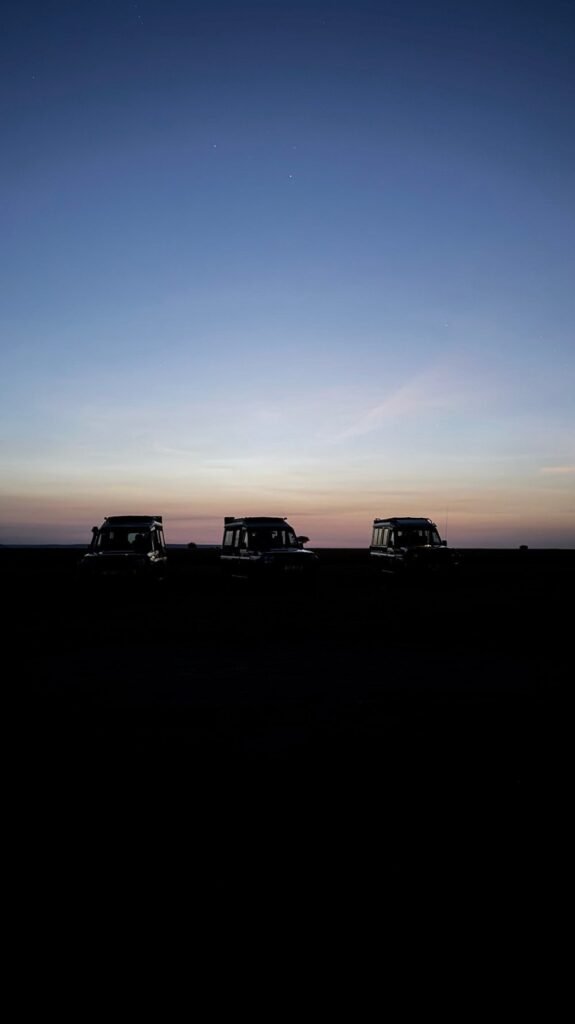
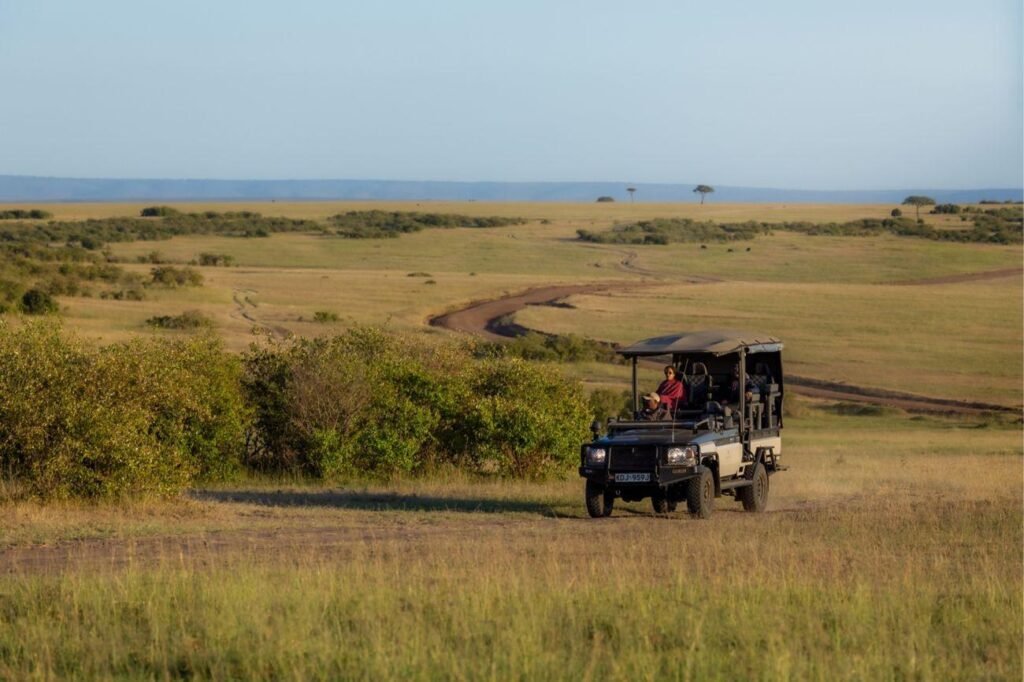
Choosing the right destinations is more important than simply visiting as many parks as possible. The best itinerary balances wildlife viewing, travel time, accommodation and the amount of time available.
1. Maasai Mara National Reserve, Kenya
The Maasai Mara is one of Kenya’s most famous safari destinations and a favourite among international visitors.
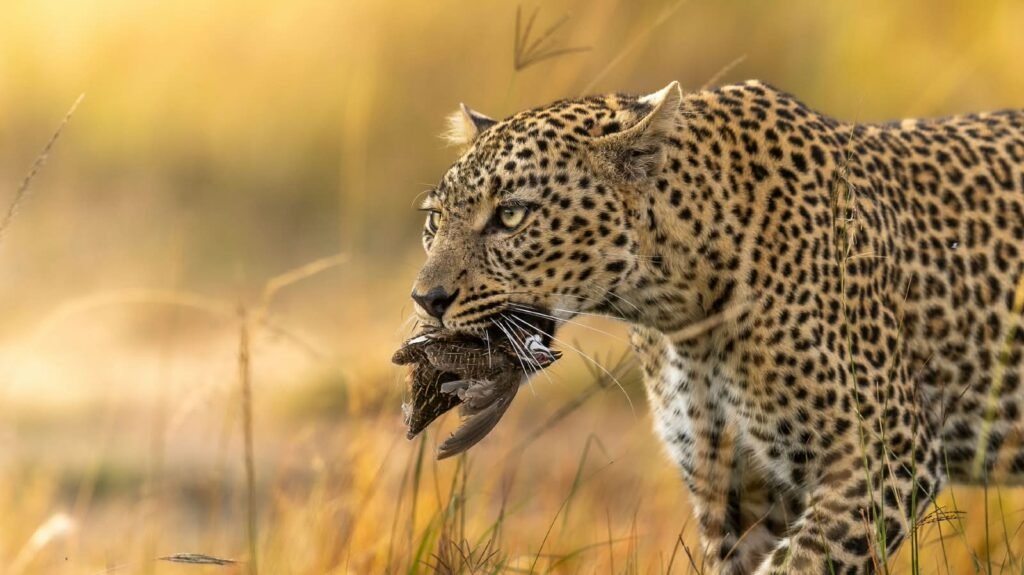
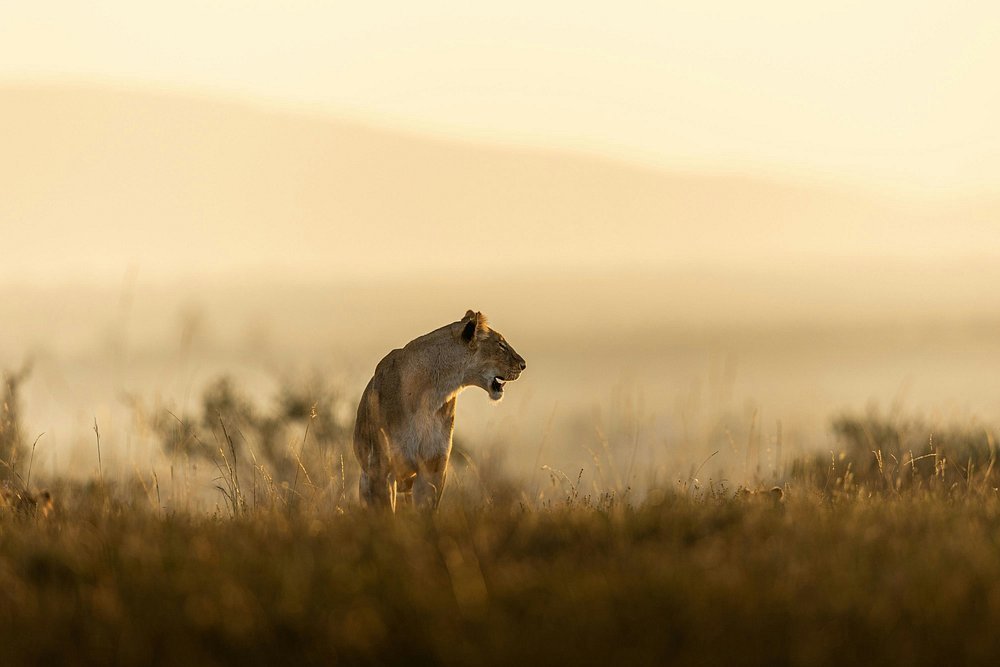
Its open grasslands, rolling landscapes and wildlife populations create excellent opportunities for game drives. The reserve is particularly associated with lions, cheetahs, elephants, giraffes, zebras, wildebeest and numerous other species.
The Maasai Mara is also an important part of the Great Migration. During certain periods of the year, large herds of wildebeest and zebras move into the Mara from Tanzania, although the timing and location of the herds vary.
A safari in the Maasai Mara can include:
- Morning and afternoon game drives.
- Full-day wildlife exploration.
- Photography opportunities.
- Seasonal migration viewing.
- Accommodation in lodges or tented camps.
The Mara is an excellent starting point for travellers who want a classic Kenya safari before continuing to Tanzania.
2. Amboseli National Park, Kenya
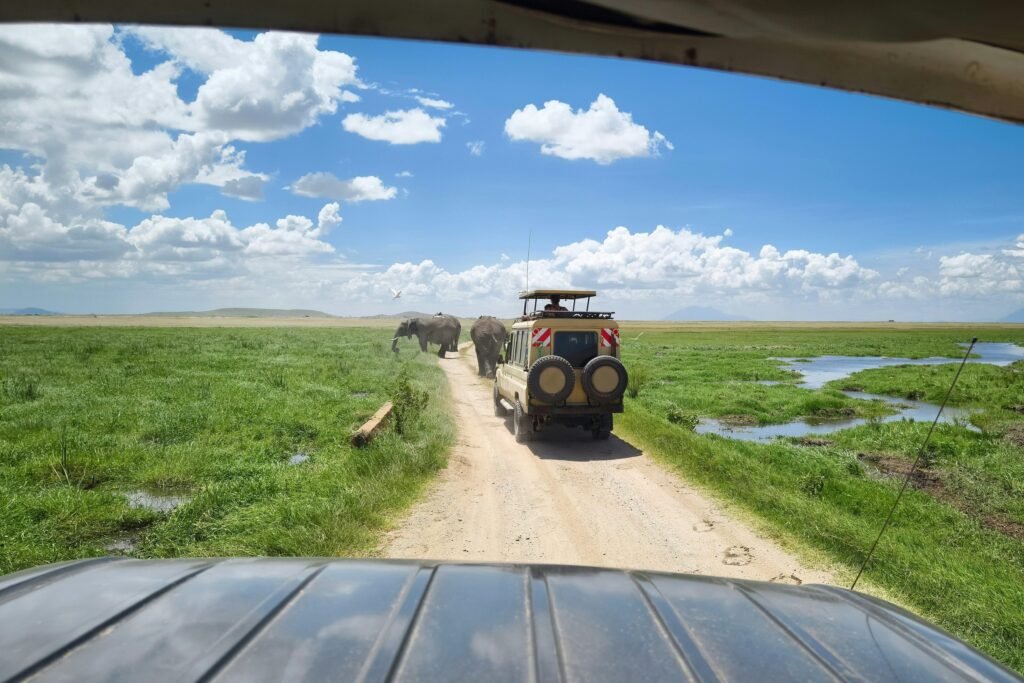
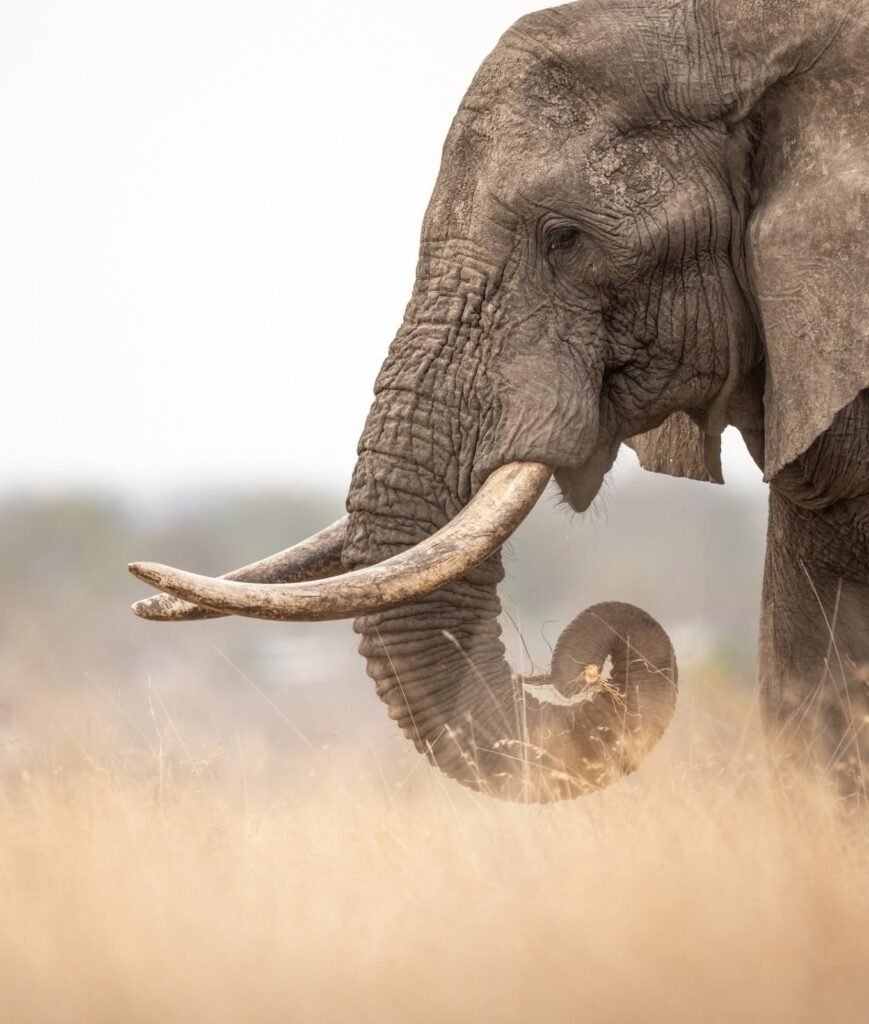
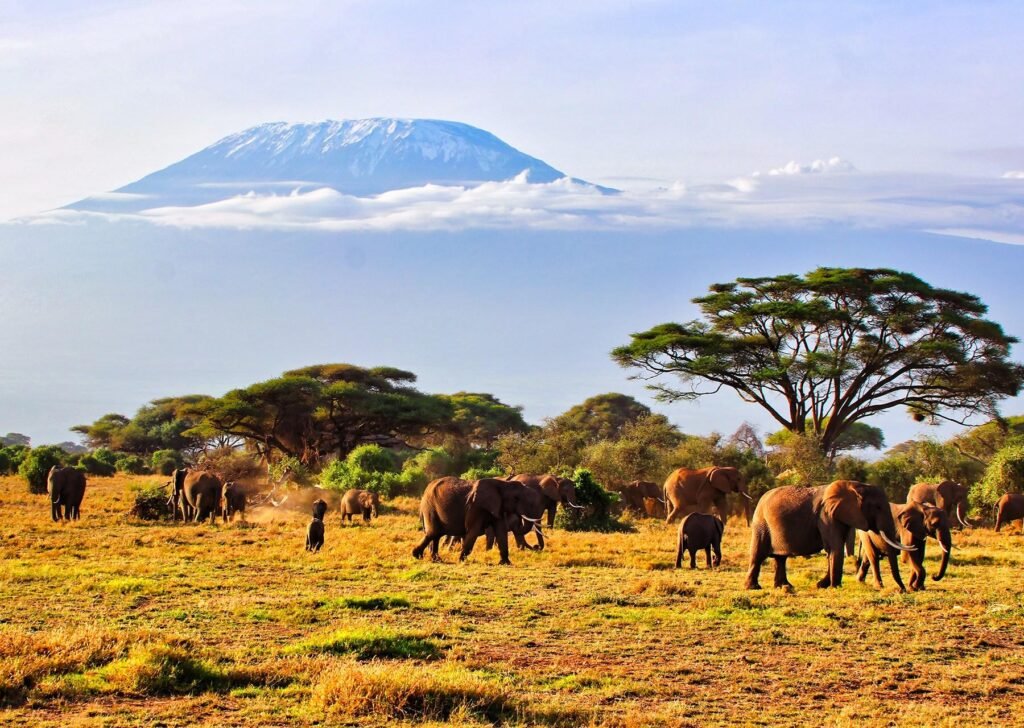
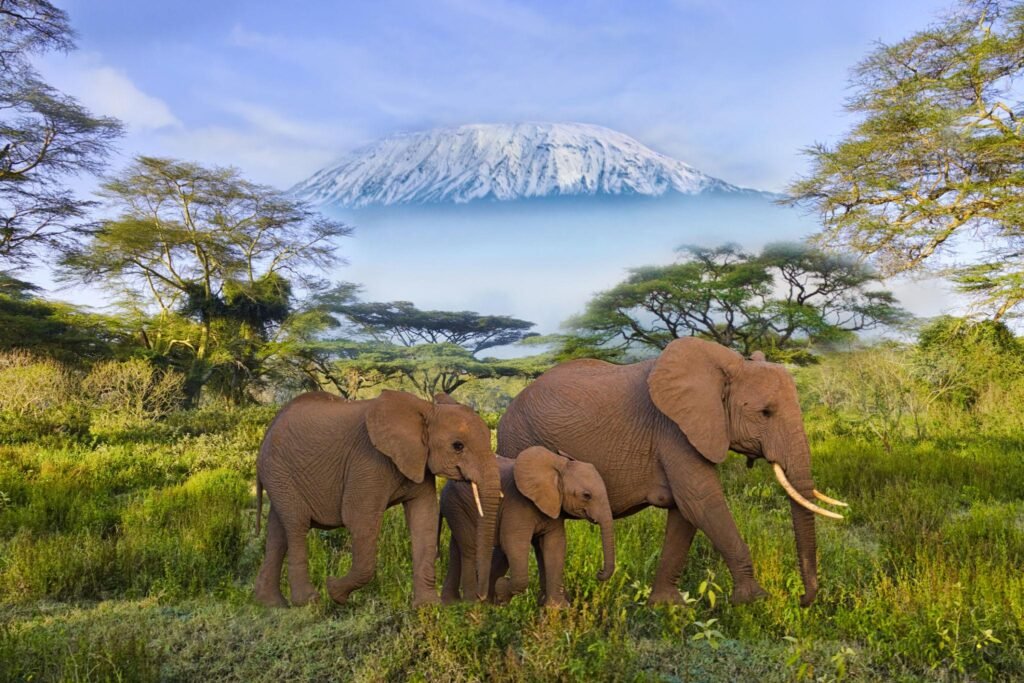
Amboseli is known for its large elephant herds and beautiful views of Mount Kilimanjaro when weather conditions permit.
The park offers a different safari atmosphere from the Maasai Mara. Its open plains, swamps, dry lake beds and mountain backdrop create distinctive scenery.
Amboseli is particularly attractive to:
- Elephant enthusiasts.
- Wildlife photographers.
- Families.
- Travellers interested in scenic landscapes.
- Visitors who want to experience Kenya’s southern safari circuit.
It can be incorporated into itineraries travelling from Nairobi towards Tanzania, depending on the route and border arrangements.
3. Tsavo East and Tsavo West National Parks, Kenya
Tsavo East and Tsavo West form an extensive wildlife landscape in southeastern Kenya and offer a different experience from the Maasai Mara and Amboseli.
Tsavo East is characterised by expansive open terrain, seasonal rivers and wildlife viewing across broad landscapes.
Tsavo West has a more varied environment, including volcanic features, hills, woodland and natural springs.
These parks are particularly useful when designing itineraries connecting Nairobi, Amboseli, Tanzania and Kenya’s coast.
Travellers can include Tsavo in a combined safari when they want to explore more of Kenya before crossing into Tanzania, although the route should be designed to avoid excessive driving.
4. Serengeti National Park, Tanzania
The Serengeti is one of Africa’s most celebrated wildlife destinations and a major highlight of Tanzania safaris.
Its immense grasslands, seasonal plains, woodland and river systems support large populations of wildlife. The park is particularly famous for the Great Migration, when wildebeest, zebras and other herbivores move through different parts of the ecosystem throughout the year.
A Serengeti safari can offer opportunities to see:
- Lions.
- Cheetahs.
- Leopards.
- Elephants.
- Giraffes.
- Zebras.
- Wildebeest.
- Hyenas.
- Numerous bird species.
Because the Serengeti is so large, the region you visit matters. Southern, central, western and northern areas offer different experiences depending on the season.
Travellers planning a combined Kenya and Tanzania safari should consider the time of year and the specific Serengeti region when selecting their accommodation.
5. Ngorongoro Conservation Area, Tanzania
The Ngorongoro Conservation Area is one of Tanzania’s most distinctive safari destinations.
The Ngorongoro Crater offers a dramatic landscape with a large concentration of wildlife within its natural setting. A crater game drive provides an opportunity to explore a different environment from the open plains of the Serengeti.
Wildlife encounters may include lions, elephants, buffalo, zebras, wildebeest, hyenas and other species. Rhino sightings are possible but should never be guaranteed.
Ngorongoro is particularly suitable for travellers who want to combine wildlife viewing with exceptional scenery.
It is frequently included alongside the Serengeti in Tanzania itineraries and can make an excellent addition to a Kenya-Tanzania safari.
6. Tarangire National Park, Tanzania
Tarangire is another important destination in Tanzania’s northern safari circuit.
The park is known for its baobab trees, seasonal wildlife concentrations and elephant populations. During drier periods, wildlife may gather around available water sources, making certain areas particularly rewarding for game drives.
Tarangire can be combined with the Serengeti and Ngorongoro to create a varied Tanzania safari before or after visiting Kenya.
For travellers with sufficient time, it offers a valuable contrast to the other parks.
The Great Migration: Experiencing wildlife across Kenya and Tanzania
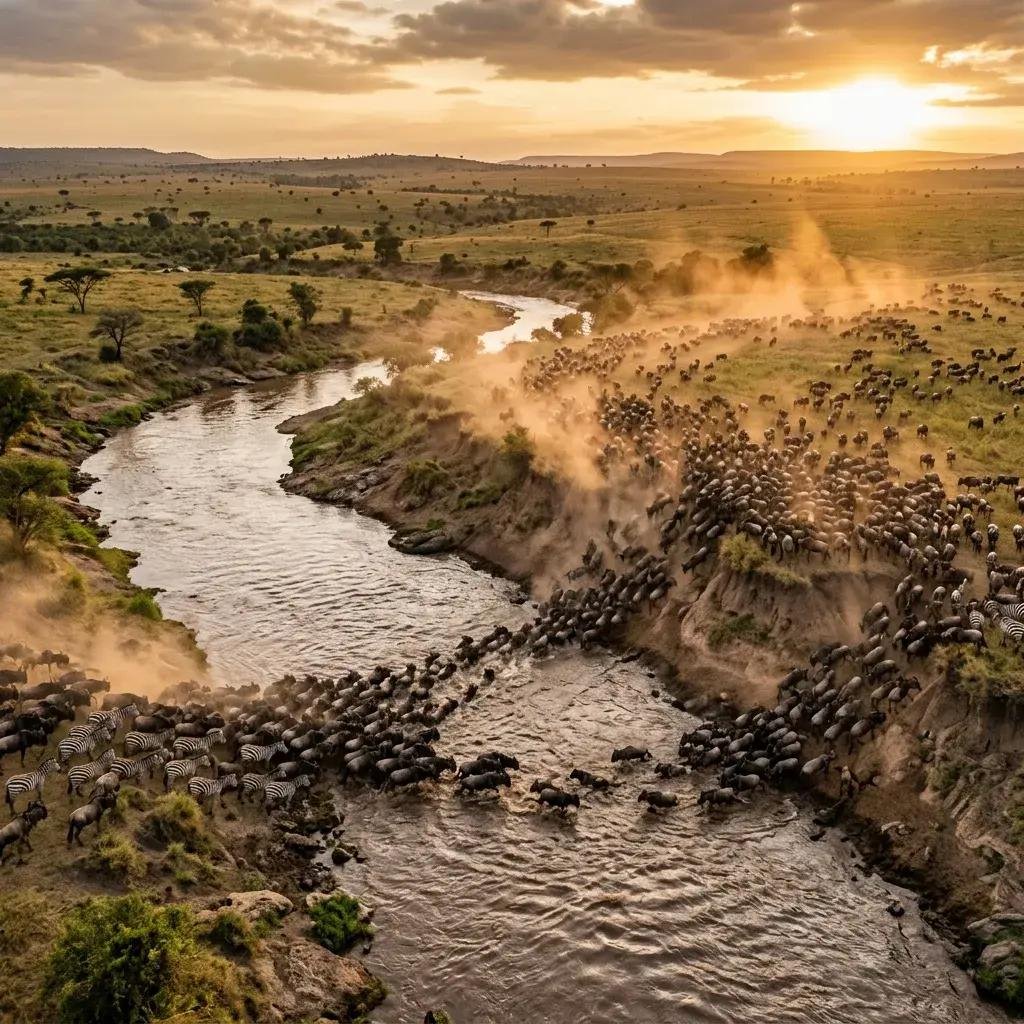
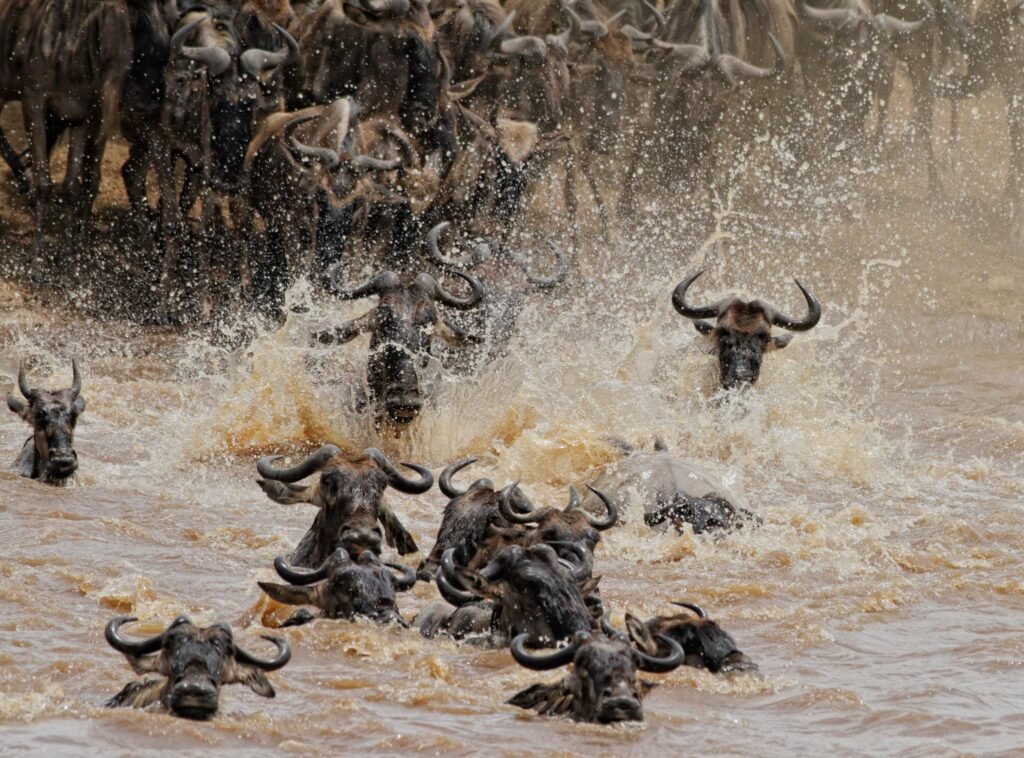
The Great Migration is one of the most famous wildlife spectacles in Africa. Large herds of wildebeest, zebras and other grazing animals move across the Serengeti-Mara ecosystem in response to changing rainfall, grazing conditions and water availability.
Rather than being a fixed event occurring at exactly the same time and place every year, the migration is a continuous seasonal movement.
Migration in Tanzania
Much of the migration cycle takes place in the Serengeti ecosystem.
Depending on the season, travellers may encounter large herds in the southern plains, central Serengeti, western areas or the northern regions.
The southern Serengeti and surrounding areas are associated with the calving period, when many wildebeest calves are born. This attracts predators and creates a dynamic wildlife environment.
Migration in Kenya
The Maasai Mara is particularly famous for the seasonal arrival of migrating herds from Tanzania.
During suitable periods, visitors may witness large concentrations of wildebeest and zebras grazing across the plains or moving through river areas.
River crossings are among the most sought-after wildlife experiences, but they are unpredictable. Animals may cross at different locations and times, and no safari operator can guarantee a crossing.
Should you visit both countries for the migration?
If your interest is the Great Migration, visiting both Kenya and Tanzania can provide a broader perspective of the ecosystem.
However, the right route depends on the month you travel. A well-designed safari should focus on where the herds are most likely to be during your dates instead of simply including the Maasai Mara and Serengeti because they are famous.
Suggested Kenya and Tanzania safari itineraries
The duration of your holiday determines how many destinations you can comfortably include.
The following itineraries are examples that can be adjusted according to your arrival airport, preferred accommodation, budget, travel season and transport arrangements.
7-day Kenya and Tanzania safari
A seven-day safari can be arranged, but it is relatively short for exploring both countries. It is best suited to travellers who prioritise selected destinations and are comfortable with carefully coordinated transport.
| Day | Suggested itinerary |
|---|---|
| Day 1 | Arrive in Nairobi and overnight |
| Day 2 | Travel to Amboseli National Park and enjoy an afternoon game drive |
| Day 3 | Morning game drive in Amboseli and travel towards Tanzania, depending on border and route arrangements |
| Day 4 | Continue towards the Tarangire or northern Tanzania safari circuit |
| Day 5 | Explore Tarangire or connect to another selected Tanzania destination |
| Day 6 | Travel towards Ngorongoro or a selected safari destination |
| Day 7 | Departure arrangements or extension |
This itinerary needs careful adjustment to avoid spending too much time in transit. A fly-in or alternative route may be more suitable depending on your international flights.
For a seven-day trip, visiting fewer destinations and spending more time enjoying them is often the better choice.
10-day Kenya and Tanzania safari
Ten days provide a better opportunity to combine Kenya’s wildlife destinations with Tanzania’s northern safari circuit.
| Day | Suggested itinerary |
|---|---|
| Day 1 | Arrive in Nairobi |
| Day 2 | Travel to Amboseli and afternoon game drive |
| Day 3 | Explore Amboseli |
| Day 4 | Travel towards Tanzania |
| Day 5 | Explore Tarangire National Park |
| Day 6 | Travel towards Serengeti National Park |
| Day 7 | Full-day Serengeti game drives |
| Day 8 | Serengeti wildlife exploration |
| Day 9 | Travel towards Ngorongoro |
| Day 10 | Ngorongoro Crater excursion and onward departure arrangements |
Depending on the border route, road conditions and flight connections, the itinerary may require modification. Some travellers may prefer to replace Amboseli with the Maasai Mara or use a domestic flight to reduce travel time.
12 to 14-day Kenya and Tanzania safari
A 12 to 14-day safari offers more flexibility and is generally more suitable for travellers who want to experience both countries without rushing.
One possible itinerary is:
| Day | Suggested itinerary |
|---|---|
| Day 1 | Arrive in Nairobi |
| Day 2 | Nairobi to Maasai Mara |
| Day 3 | Full-day game drives in Maasai Mara |
| Day 4 | Morning game drive and return towards Nairobi or connect by flight, depending on route |
| Day 5 | Nairobi to Amboseli |
| Day 6 | Amboseli game drives |
| Day 7 | Travel towards Tanzania |
| Day 8 | Tarangire National Park |
| Day 9 | Travel to Serengeti |
| Day 10 | Serengeti game drives |
| Day 11 | Serengeti exploration |
| Day 12 | Travel towards Ngorongoro |
| Day 13 | Ngorongoro Crater excursion |
| Day 14 | Departure or extension |
This is an ambitious multi-destination itinerary. Depending on the transport connections, it may be preferable to fly between selected destinations, reduce the number of parks or extend the trip.
The advantage of a longer safari is that you can enjoy wildlife viewing without making every day a transfer day.
How do you travel from Kenya to Tanzania on safari?
Cross-border transport is one of the most important considerations when planning a combined safari.
The suitable option depends on your route, destinations, budget, border arrangements and travel dates.
Road safari with border crossing
A road safari can connect selected Kenyan and Tanzanian destinations using agreed border points and appropriate transport arrangements.
This can be suitable for travellers who want a continuous overland journey and the flexibility of a private vehicle.
However, cross-border safari arrangements require planning. Vehicle permissions, border procedures, guide arrangements, entry requirements and the route must all be confirmed before travel.
Domestic flights
Flights can save time on longer routes and are particularly useful when combining distant destinations.
Depending on the itinerary and available services, travellers may use domestic or regional flights to connect Nairobi, safari airstrips and Tanzania’s safari destinations.
Flights are useful for:
- Reducing long road journeys.
- Connecting distant safari regions.
- Maximising time in wildlife destinations.
- Travellers with limited holiday days.
Flight schedules, baggage allowances, airport locations and connections should be confirmed before booking.
Private transfers
Private transfers may be appropriate for selected sections of a safari, particularly where a direct connection between destinations is practical.
The most suitable arrangement may combine road travel and flights rather than relying entirely on one transport method.
What accommodation can you choose on a Kenya and Tanzania safari?
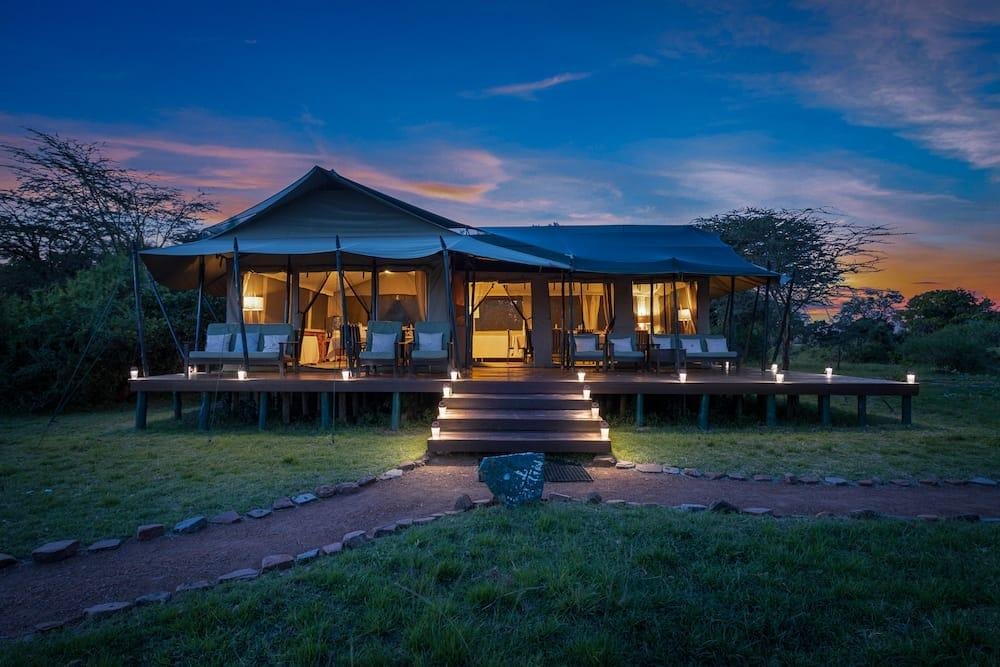

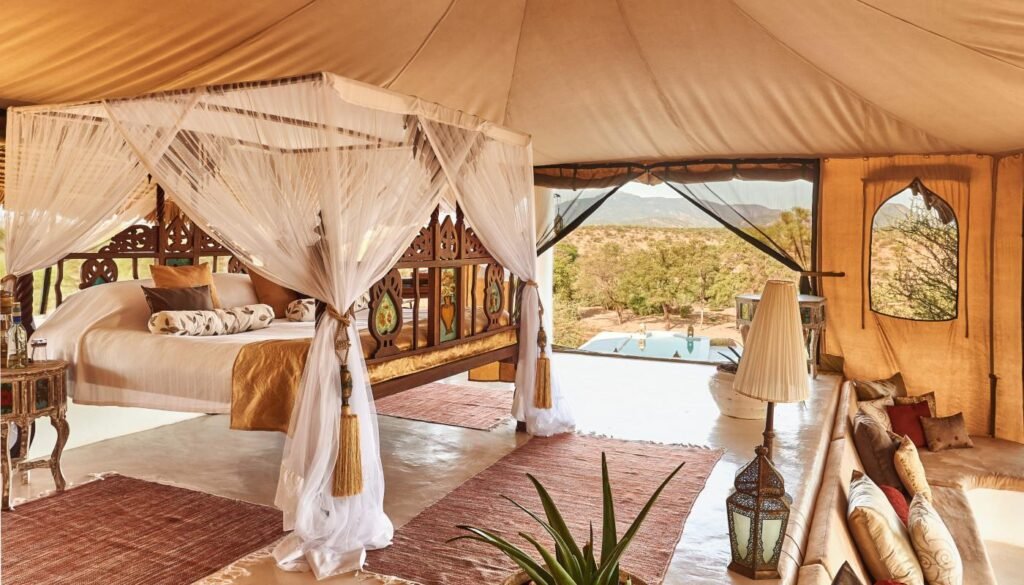
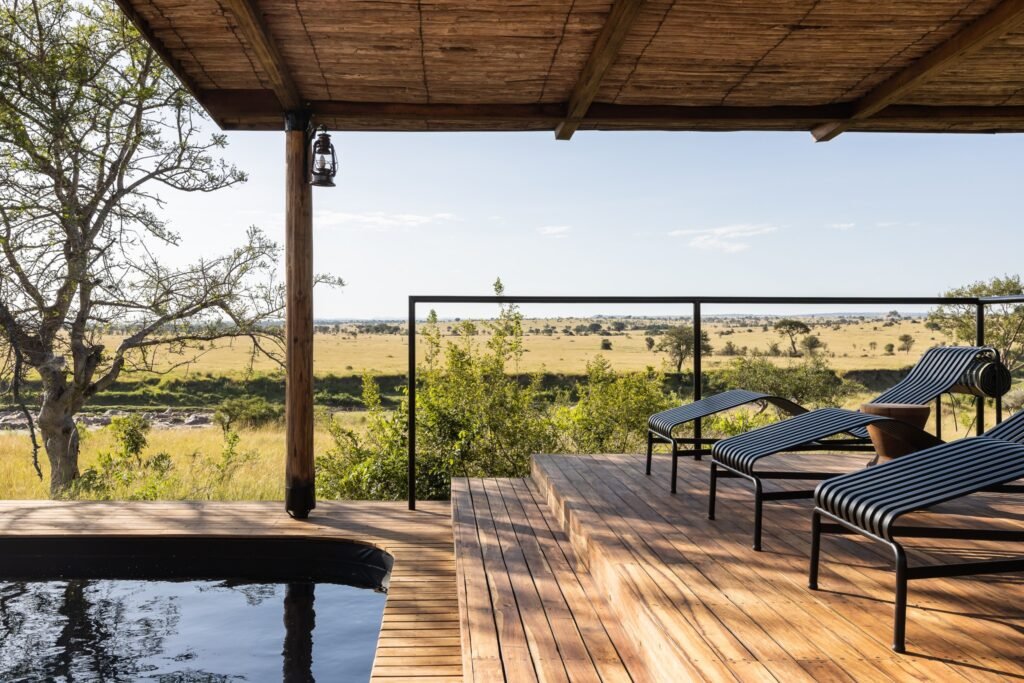
Accommodation plays an important role in shaping your safari experience. Both Kenya and Tanzania offer a range of options, from comfortable lodges to luxury tented camps in wildlife areas.
Budget and economy safari accommodation
Economy accommodation is suitable for travellers who want to focus on wildlife experiences while keeping their overall trip costs manageable.
Depending on the destination, options may include basic lodges, simple tented camps or budget hotels outside protected areas.
Midrange accommodation
Midrange lodges and tented camps offer a balance between comfort, location and cost.
They are popular with couples, families and private travellers looking for a comfortable safari without necessarily choosing the most expensive properties.
Luxury safari lodges and camps
Luxury accommodation can offer spacious suites, personalised service, distinctive locations, quality dining and additional experiences.
For travellers celebrating a honeymoon, anniversary or special occasion, luxury camps can make the safari particularly memorable.
When comparing accommodation, consider location, game-drive access, meals, room type, facilities and whether transfers are included.
When is the best time to visit Kenya and Tanzania?
Kenya and Tanzania can be visited throughout the year, but weather conditions and wildlife movements influence the experience.
The best travel period depends on the destinations you want to visit and the wildlife experiences you prioritise.
January to March
This period can be particularly rewarding in parts of Tanzania’s southern Serengeti ecosystem, where wildebeest calving activity is associated with seasonal grassland conditions.
It can also be suitable for Kenya safaris, depending on rainfall and destination conditions.
April to May
These months are generally associated with heavier seasonal rains in many areas of East Africa.
Travellers should consider road conditions, accommodation access and the impact of rainfall on game drives. Some properties may have seasonal operating arrangements.
June to October
This period is often popular for safaris because many areas experience drier conditions.
It is also associated with migration activity in the Serengeti and Maasai Mara, although the exact movement of herds varies each year.
November to December
Short rains may occur in some areas, but safaris remain possible. Landscapes can become greener, and birdlife may be particularly interesting.
The best itinerary should be planned around your specific travel dates rather than relying on a general seasonal description.
How much does a Kenya and Tanzania safari cost?
The cost of a combined safari depends on the length of the trip, destinations, accommodation, transport and inclusions.
The main factors affecting the price include:
- Number of travellers.
- Number of safari days.
- Accommodation category.
- Park and conservation fees.
- Private or shared safari vehicle.
- Cross-border transport arrangements.
- Domestic and regional flights.
- Meals and drinks.
- Optional activities.
- Season of travel.
A private safari with luxury accommodation and several domestic flights will cost more than an overland safari with midrange accommodation.
When comparing quotations, ensure that you are comparing similar itineraries and inclusions. A quotation should clearly identify accommodation, transport, park fees, meals, activities and any additional costs.
Who should book a combined Kenya and Tanzania safari?
First-time African safari travellers
A combined safari is ideal for travellers who want to experience more than one country during their first visit to East Africa.
It introduces them to different wildlife landscapes and safari environments while allowing the itinerary to be organised around their available time.
Wildlife enthusiasts and photographers
Travellers interested in wildlife photography may benefit from visiting several ecosystems and allowing enough time for game drives.
The best photographic opportunities depend on light, wildlife behaviour, location, season and patience. A longer safari generally provides more flexibility than a rushed itinerary.
Families
Families can enjoy a combined safari if the route is planned around realistic travel distances, age requirements, accommodation suitability and the needs of the children.
Fewer destinations with longer stays may be more enjoyable than a packed itinerary.
Honeymooners and couples
Couples can combine wildlife experiences with comfortable accommodation, private game drives and memorable landscapes.
The itinerary can be designed around privacy, preferred accommodation and a relaxed pace.
Private groups
Friends and private groups can travel together and enjoy a customised itinerary. The vehicle, accommodation and activities can be selected according to the group’s size and interests.
What is included in a Kenya and Tanzania safari package?
Package inclusions depend on the itinerary and the quotation, but a combined safari may include:
- Airport transfers.
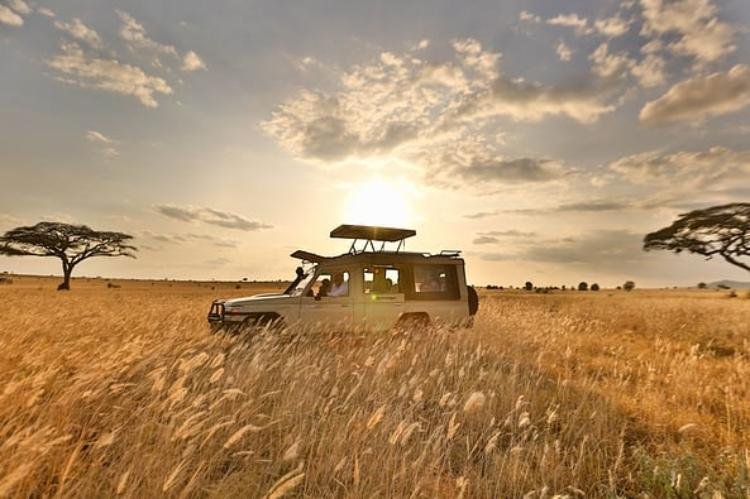
- Private safari vehicle.
- Professional driver-guide.
- Accommodation.
- Meals as specified.
- Park and reserve entry fees.
- Scheduled game drives.
- Cross-border transfer arrangements.
- Selected activities.
- Drinking water during safari drives.
Some packages may include domestic flights, while others are primarily road-based.
What is usually excluded?
Depending on the quotation, exclusions may include:
- International flights.
- Visas or travel authorisations.
- Travel insurance.
- Tips and gratuities.
- Personal expenses.
- Optional activities.
- Drinks not included in the meal plan.
- Any service not specifically stated in the itinerary.
Travellers should always review the written quotation before making a booking.
Important considerations before booking a Kenya and Tanzania safari
A combined safari requires more planning than a single-country itinerary. Before confirming, consider the following:
Entry requirements: Check the entry and visa requirements for both countries according to your nationality and travel documents.
Border arrangements: Confirm the planned border crossing, vehicle arrangements and any guide or transfer changes.
Travel time: Do not underestimate the time required to move between parks and countries.
Accommodation availability: Book early for popular travel periods, particularly when selecting specific camps or lodges.
Park fees: Confirm the fees applicable to the dates, parks and itinerary.
Travel insurance: Ensure your policy covers the activities and destinations on your trip.
Flights: Confirm the departure airports, baggage allowances and connection times.
Travel pace: Avoid including too many destinations simply because they appear on a map. A well-paced safari is usually more enjoyable.
Plan your Kenya and Tanzania safari with Horizon Explorer Africa Safaris
Exploring Kenya and Tanzania in one safari provides an opportunity to experience some of East Africa’s most remarkable wildlife destinations in a single journey.
From the Maasai Mara and Amboseli to the Serengeti, Ngorongoro and Tarangire, each destination offers a different experience. The right itinerary brings these destinations together in a way that fits your travel dates, interests, accommodation preferences and budget.
Horizon Explorer Africa Safaris organises customised Kenya and Tanzania safaris for international travellers, couples, families, wildlife enthusiasts and private groups.
Our itineraries can be designed around Nairobi departures, selected Kenyan wildlife destinations, Tanzania safari circuits and cross-border travel arrangements.
Explore our Kenya and Tanzania safari packages to discover the available options, or request a customised safari built around your preferred destinations.
Your journey, your way. Experience Kenya and Tanzania together with an itinerary designed around the wildlife, landscapes and travel experiences you want to discover.
Frequently Asked Questions
1. Can I visit Kenya and Tanzania on one safari?
Yes. Kenya and Tanzania can be combined into one safari using suitable road transfers, border arrangements and regional flights. The itinerary should be planned around the destinations you want to visit and the number of days available.
2. How many days are required for a Kenya and Tanzania safari?
Ten days can provide a combined safari, but 12 to 14 days or longer generally allow a more comfortable itinerary with additional wildlife viewing and fewer rushed transfers.
3. Which parks are best for a Kenya and Tanzania safari?
Popular combinations include the Maasai Mara, Amboseli, Serengeti, Ngorongoro and Tarangire. The best combination depends on your travel dates, wildlife interests and available time.
4. Can I visit the Maasai Mara and Serengeti on the same trip?
Yes. Both destinations are part of the wider Mara-Serengeti ecosystem. However, visiting both requires careful planning because they are in different countries and the transfer arrangements can be complex.
5. Can I start my Kenya and Tanzania safari in Nairobi?
Yes. Nairobi is a popular starting point for combined East African safaris. It can be used as the arrival point before travelling to Kenya’s parks and continuing into Tanzania, depending on the selected route.
6. Is it possible to cross from Kenya to Tanzania by road?
Yes, road crossings are possible through designated border points, subject to entry requirements, vehicle arrangements and the route. Cross-border transport should be confirmed before the safari begins.
7. Is a Kenya and Tanzania safari suitable for families?
Yes. Families can enjoy combined safaris when the itinerary is planned around children’s ages, accommodation requirements, travel time and suitable activities.
8. Can I book a luxury Kenya and Tanzania safari?
Yes. Luxury itineraries can include high-end tented camps, lodges, private safari vehicles, selected flights and personalised arrangements, subject to availability.
9. Can I customise my Kenya and Tanzania safari?
Yes. You can select destinations, accommodation categories, transport arrangements, safari duration and additional experiences to create an itinerary that suits your travel preferences.
10. Is it better to visit Kenya or Tanzania, or both?
Neither country is universally better. Kenya offers a variety of safari destinations and convenient starting options from Nairobi, while Tanzania offers vast safari landscapes and destinations such as Serengeti, Ngorongoro and Tarangire. Visiting both is ideal for travellers with sufficient time who want a broader East African experience.