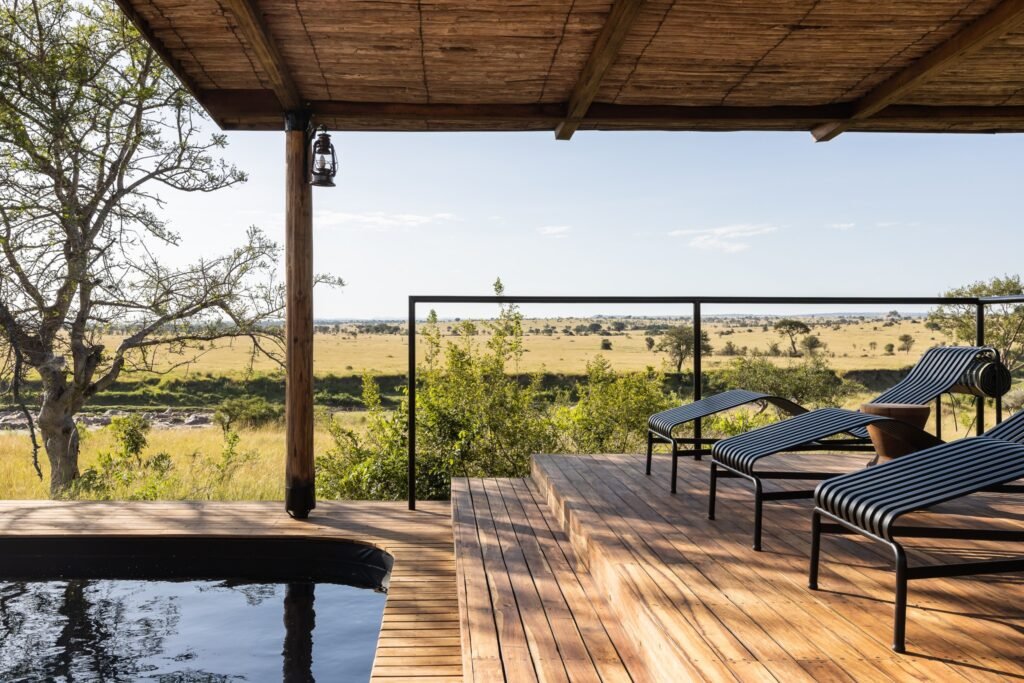
Family Holidays, Honeymoons and Wildlife Adventures: Planning a Safari Around You
An African safari can mean different things to different travellers. For one family, it may be an opportunity to introduce children to wildlife and nature. For a couple, it could be a honeymoon surrounded by remarkable landscapes and memorable experiences. For a wildlife enthusiast, the priority might be spending more time observing animals, photographing birds or exploring different habitats.
Kenya and Tanzania offer a wide range of possibilities, but choosing the right safari involves more than deciding which national parks to visit. Your travel companions, interests, preferred pace, accommodation expectations and available time should all influence the itinerary.
A family holiday may need shorter transfers and flexible activities. A honeymoon may benefit from privacy, carefully selected accommodation and time to relax. A birdwatching trip may require a different route and more time in specific habitats.
The best safari is one that reflects these priorities rather than forcing every traveller into the same standard itinerary.
In this guide, we explore how to plan a Kenya or Tanzania safari around your interests, whether you are travelling with family, celebrating a special occasion or looking for a deeper wildlife experience.
1. Family Safaris: Creating an Experience for Everyone
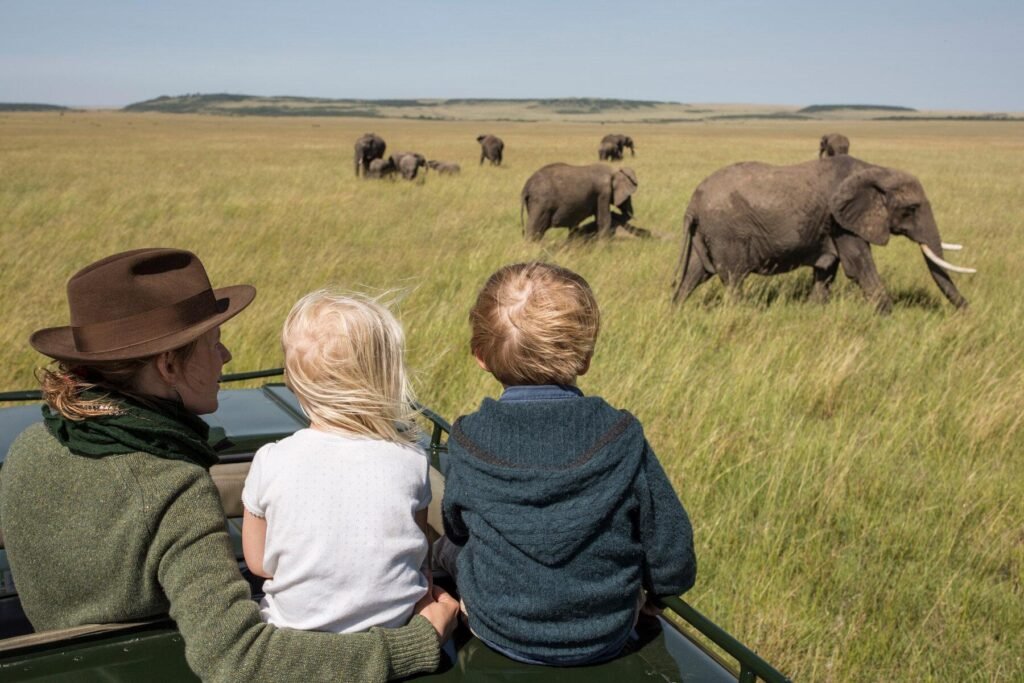
A family safari can be an opportunity to experience wildlife together, learn about nature and discover places that children may previously have encountered only in books or documentaries.
However, planning a family safari requires attention to the needs of everyone travelling. The right itinerary should consider children’s ages, the length of journeys, accommodation facilities and the amount of time spent on activities.
Choose destinations with practical travel times
Long transfers between destinations can become tiring, particularly for younger children. Instead of including as many parks as possible, consider focusing on a smaller number of destinations that provide enough variety for the duration of your trip.
For example, a family travelling from Nairobi might consider a safari focused on the Maasai Mara, Amboseli or another suitable destination, depending on the number of days available and the family’s interests.
If you are arriving in Kenya for the first time, discuss the airport transfer and the journey to your first accommodation before confirming the itinerary.
Select accommodation that suits your family
Family-friendly accommodation can make a meaningful difference to your holiday.
When comparing lodges and camps, ask about family rooms, connecting rooms, room configurations, swimming pools where available, meal arrangements and facilities for children.
Some properties have minimum-age requirements for particular activities, so confirm these details before booking. Do not assume that every lodge or activity is suitable for children of all ages.
Balance wildlife viewing with rest
Game drives are an important part of many safaris, but a family itinerary should also allow time to rest and enjoy the accommodation.
Younger travellers may appreciate a slower pace, shorter activities and opportunities to learn about wildlife in an engaging way. Older children may enjoy longer game drives, photography or selected educational experiences.
Discuss your family’s interests with your safari planner so that the itinerary reflects the ages and preferences of the people travelling.
Explore our family safaris in Kenya and Tanzania for a starting point.
2. Honeymoon Safaris: Combining Wildlife, Privacy and Relaxation
A honeymoon safari offers an opportunity to celebrate a special occasion while discovering East Africa’s landscapes and wildlife.
Some couples prefer an active journey with several destinations and regular game drives. Others would rather spend more time at a carefully selected lodge, enjoy a private safari vehicle and leave room for relaxation.
Neither approach is better for everyone. The right itinerary depends on how you want to spend your time together.
Choose accommodation that complements your trip
For honeymooners, accommodation can be an important part of the overall experience.
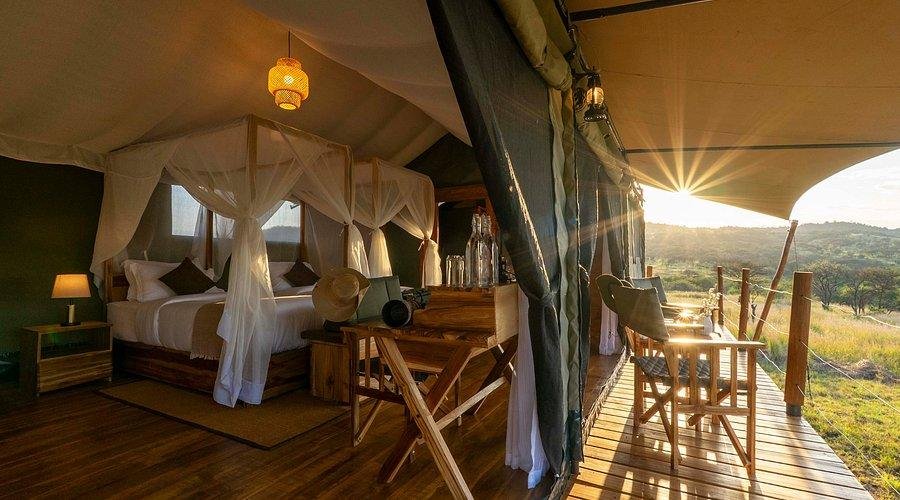
You may want a tented camp overlooking the savannah, a lodge with scenic surroundings or a property known for attentive service and private dining arrangements where available.
Before booking, confirm the room category, location, included meals and any special arrangements you would like to request. If you are celebrating your honeymoon, let your operator know in advance, but confirm any additional charges for special experiences.
Avoid changing accommodation too frequently
Moving between several properties can be exciting, but it also requires packing, transfers and check-in arrangements.
A more relaxed honeymoon may benefit from spending two or more nights in selected destinations rather than moving every day. This gives you time to enjoy the lodge as well as the surrounding wildlife areas.
If you have a longer holiday, you could combine a safari with time on the Kenyan coast or in Zanzibar, depending on your preferred route and travel arrangements.
Decide how much privacy you want
A private safari can provide greater flexibility for your travel party and allow you to discuss the pace of your game drives with your guide.
A shared departure may be suitable for couples who are comfortable travelling with others and want to manage costs.
Consider what matters most to you before choosing. Your honeymoon does not need to follow a particular formula to be memorable.
Explore our honeymoon safaris in Kenya and Tanzania for more ideas.

3. Wildlife Enthusiasts: Building a Safari Around the Animals You Want to See
For travellers whose main interest is wildlife, destination selection and time spent in the field should shape the itinerary.
Kenya and Tanzania contain a variety of habitats, including open grasslands, woodlands, wetlands, lakes and forested areas. Each environment supports different wildlife and bird species.
Rather than trying to visit every famous park, begin by identifying the animals or environments that interest you most.
For large mammals and classic savannah wildlife
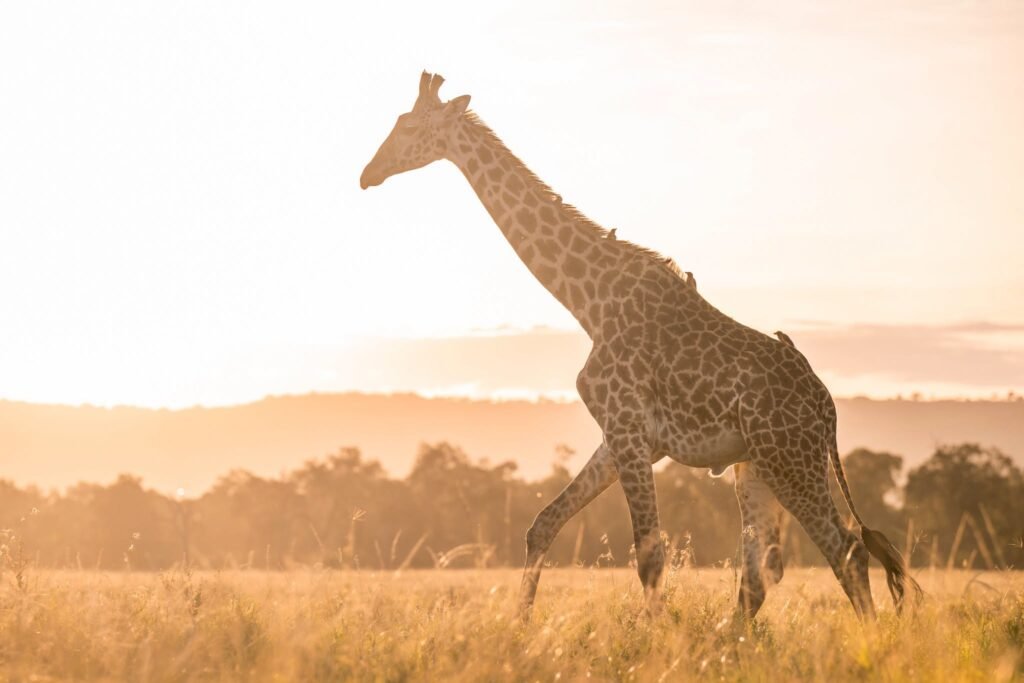
The Maasai Mara in Kenya and Serengeti National Park in Tanzania are widely known for their open landscapes, large herbivores and predators.
The seasonal Great Migration is an important attraction in the wider Mara and Serengeti ecosystem. The location of the herds changes during the year, however, and sightings at a particular place or on a particular day cannot be guaranteed.
If the migration is central to your plans, discuss your travel dates and likely route with an experienced safari planner before selecting accommodation.
For elephants and distinctive landscapes
Amboseli National Park in Kenya is well known for its elephants and views of Mount Kilimanjaro when weather conditions allow.
Tarangire National Park in Tanzania is another destination to consider for elephant viewing and its distinctive baobab landscapes.
Your choice should depend on the wider itinerary, the season and the wildlife experiences you want to prioritise.
For a wider variety of habitats
Some travellers prefer an itinerary that includes several types of landscapes rather than concentrating on one ecosystem.
Depending on your available time, you might consider combining savannah destinations with wetlands, lakes, woodlands or other suitable habitats.
Remember that every additional destination requires travel time. A well-designed wildlife safari should leave enough time to explore each location rather than rushing between parks.
4. Birdwatching Safaris: A Different Way to Explore East Africa
Kenya and Tanzania offer diverse bird habitats, making the region appealing to travellers interested in birdwatching and wildlife photography.
A bird-focused safari can differ from an itinerary designed primarily around large mammals. Instead of concentrating only on famous predators or migration events, the route may prioritise wetlands, lakes, forests, open country and other habitats that support the species you want to observe.
Choose destinations according to your interests
Before planning a birdwatching safari, consider whether you are interested in waterbirds, raptors, savannah species, woodland birds or a broad selection of habitats.
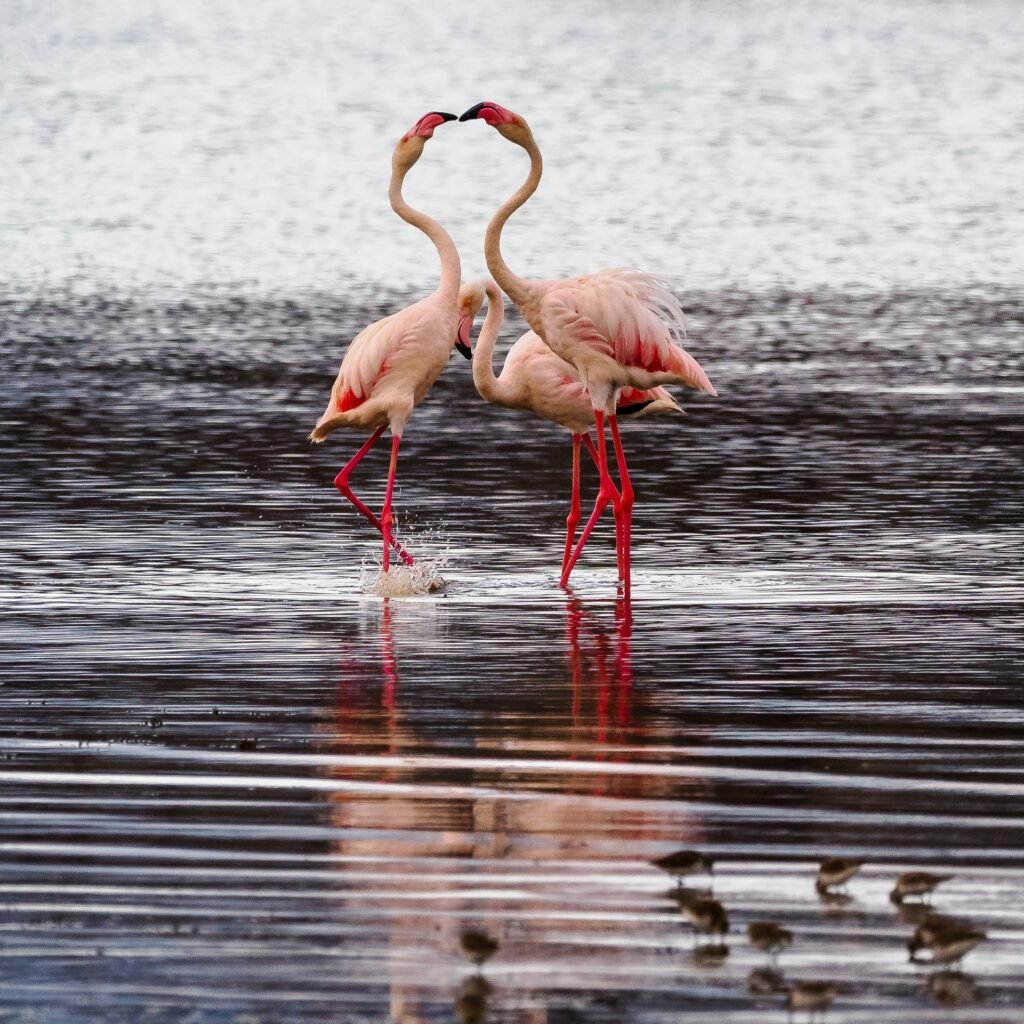
Destinations around the Rift Valley lakes, for example, may appeal to travellers interested in wetland and waterbird habitats. Other parks and reserves offer opportunities to explore woodland and savannah birdlife.
The most suitable itinerary depends on your target species, the season and the expertise available from your guide.
Allow enough time for observation
Birdwatching often benefits from patience and a flexible pace. A trip that changes location every day may leave less time to observe birds carefully.
Discuss whether your guide has relevant birding experience and whether the itinerary can accommodate early departures, suitable stops and time for photography.
If you already maintain a bird list, share it with your safari planner. This can help establish realistic priorities for the trip.
Bring suitable equipment
Depending on your interests, useful equipment may include binoculars, a camera, a field guide and a notebook or birding application.
Comfortable neutral-coloured clothing and protection from sun and rain may also be useful, depending on the season and destination.
Check your operator’s advice for the specific itinerary rather than packing for every possible condition.
5. Photographic Safaris: Making Time for the Right Moments
Wildlife photography requires a different approach from simply visiting a park to see animals.
Photographers may want more time at a sighting, suitable vehicle positioning, flexibility around light conditions and opportunities to photograph different habitats.
If photography is a priority, tell your safari planner before the itinerary is finalised.
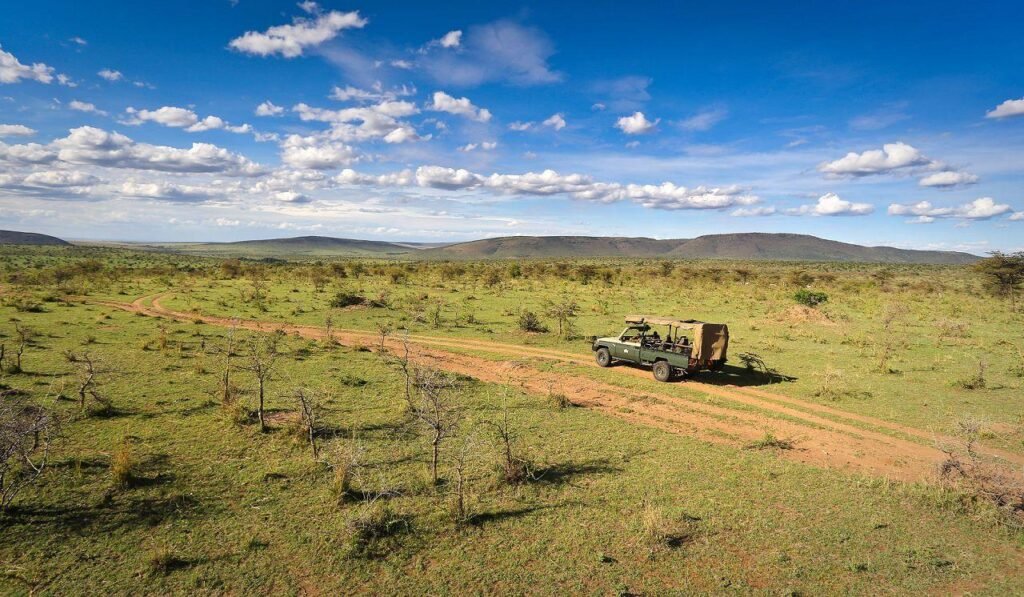
Ask whether a private vehicle would suit your needs, whether the vehicle configuration allows comfortable photography and whether the guide has experience working with wildlife photographers.
A private arrangement may offer more flexibility, although sightings and photographic conditions can never be guaranteed. Wildlife behaviour, weather and light all influence the opportunities available.
Also consider whether your itinerary leaves enough time in each destination. Fewer stops may be more useful than a packed route if your main goal is photography.
6. Solo Travellers and Small Groups
Solo travellers can enjoy a safari in Kenya or Tanzania, but the best arrangement depends on personal preferences and budget.
A private safari provides an itinerary for your own travel party, but some costs may be higher per person when there is only one traveller.
A group departure may provide an alternative, depending on the operator’s scheduled trips, availability and minimum group requirements.
Before booking a shared safari, confirm the departure date, expected group size, accommodation arrangements and whether the trip is guaranteed to operate.
Small groups of friends may also benefit from a private itinerary if they want to travel together and have greater control over the pace of their journey.
If you are travelling alone, ask your operator about airport transfers, accommodation check-in arrangements and the practical details of the itinerary so that you know what to expect.
7. Combine a Safari with a Beach Holiday
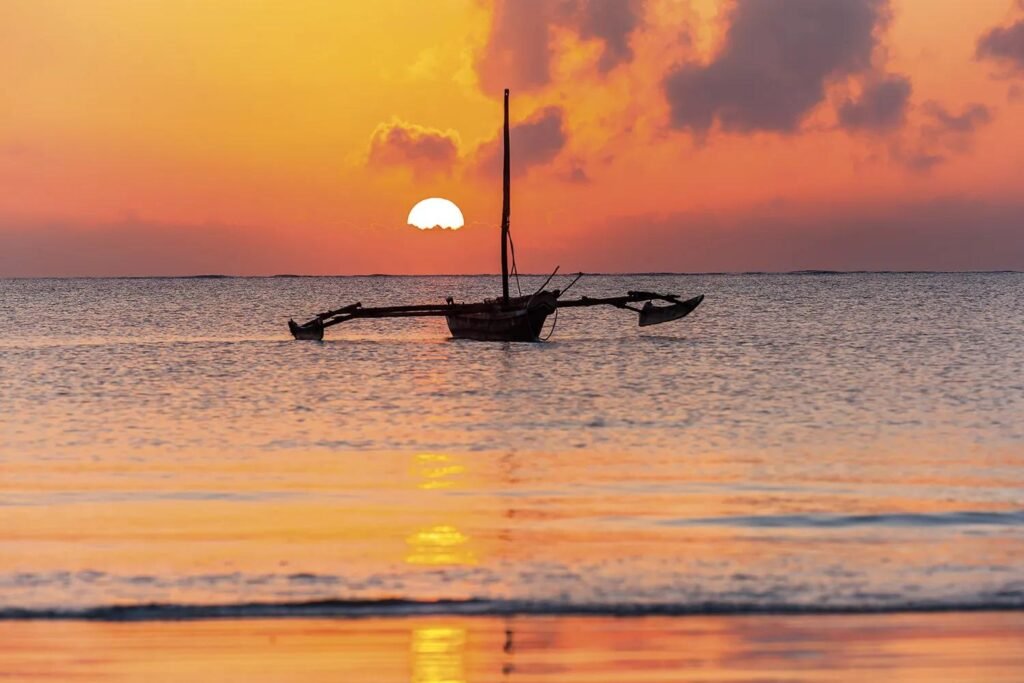
For travellers with additional holiday time, combining wildlife viewing with a beach stay can provide a different pace after several days on safari.
Kenya’s coast offers destinations such as Diani, Watamu and other coastal areas, while Zanzibar is a popular option for travellers visiting Tanzania.
The right choice depends on where your safari ends, your available time, preferred activities and onward travel arrangements.
Safari and beach in Kenya
A Kenya itinerary may combine wildlife destinations with time on the coast.
For example, you could explore selected parks before continuing to a coastal destination for relaxation, depending on the route and available transport.
This can work well for families, couples and travellers who want a mixture of outdoor activity and time by the ocean.
Safari and Zanzibar
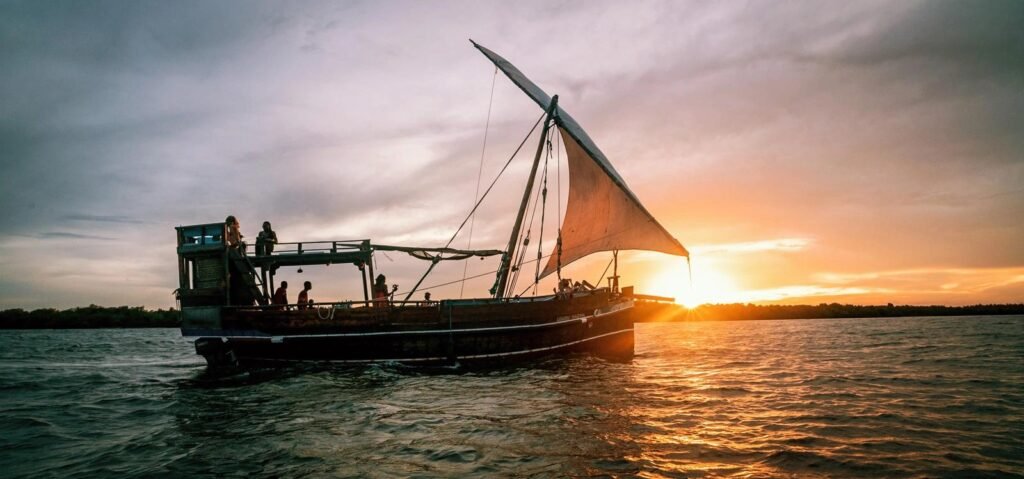
Travellers exploring northern Tanzania may consider adding Zanzibar, subject to suitable flight connections and the time available.
A beach extension can provide time for relaxation, local cultural experiences and selected ocean activities.
When combining a safari with a beach stay, confirm whether transfers and flights are included in your quotation. The cost and practicality of the extension depend on the route and travel dates.

8. How to Personalise Your Safari Without Making It Complicated
A personalised safari does not need to include every possible activity or destination.
In many cases, a better experience comes from making a few clear decisions about what matters most.
Start with these questions:
- Who is travelling, and what are their ages and interests?
- How many days are available for the safari?
- Which wildlife experiences or destinations are most important?
- What accommodation facilities and comfort level do you prefer?
- Would you prefer a private vehicle or a shared departure?
- Is a beach extension or another activity part of the plan?
- What budget range should the itinerary work within?
Use your answers to prioritise the most important elements of the trip.
For example, a family may prefer fewer transfers and accommodation with suitable facilities. A honeymoon couple may prioritise privacy and a slower pace. A birdwatcher may prefer more time in selected habitats.
Once those priorities are clear, your safari planner can recommend an itinerary that is practical as well as appealing.
You can start exploring options through our customised African safaris page.
9. Questions to Ask Before Booking
Before confirming a safari, make sure the arrangements are suitable for everyone travelling.
Ask your operator:
- Is the itinerary appropriate for our ages, interests and activity levels?
- What are the expected travel times between destinations?
- Which accommodation properties and room categories are included?
- Are there age restrictions for any activities or properties?
- Is transport private or shared?
- Which meals, park fees, transfers and activities are included?
- Can the itinerary be adjusted to allow more time for wildlife viewing or relaxation?
- What happens if accommodation or transport arrangements need to change?
- What are the payment, cancellation and refund terms?
- Which travel documents or other arrangements should we confirm before departure?
Clear answers help you understand the trip before making a financial commitment.
For official park and visitor information, consult the Kenya Wildlife Service and Tanzania National Parks visitor information.
Plan Your Safari Around What Matters to You
An African safari can be a family adventure, a honeymoon, a birdwatching journey, a photographic expedition or simply an opportunity to experience wildlife in a different environment.
The key is to choose destinations, accommodation and activities that reflect the people travelling and the experiences they value.
You do not need to fit every famous park into one holiday. A carefully planned route with realistic travel times, suitable accommodation and enough time to enjoy each destination can be more rewarding than an itinerary that tries to do everything.
At Horizon Explorer Africa Safaris, travellers can explore safari options across Kenya and Tanzania, with budget, comfort and luxury arrangements considered according to their preferences, itinerary and availability.
Whether you are planning a family holiday, a romantic escape or a wildlife-focused adventure, start by exploring our family safari packages, honeymoon safaris, Kenya safari packages or Tanzania safari packages.
You can also visit our customised safari page to begin shaping a trip around your interests.
Your journey, your way.
Frequently Asked Questions
Is Kenya a good destination for a family safari?
Kenya offers a variety of wildlife destinations that may suit families. The best itinerary depends on the children’s ages, journey lengths, accommodation facilities and the activities available at each destination.
Is Tanzania suitable for a honeymoon safari?
Tanzania offers a range of wildlife destinations and accommodation options that can be considered for a honeymoon. Couples should choose a route and properties that suit their preferred pace, privacy and budget.
Can I plan a safari specifically for birdwatching?
Yes. A birdwatching safari can be designed around selected habitats, target species, travel dates and the time needed for observation. Discuss your interests and preferred pace with your safari planner.
Can a safari be combined with a beach holiday?
Yes. Depending on the itinerary and available time, travellers may combine a Kenya safari with the Kenyan coast or a Tanzania safari with Zanzibar. Transport connections and additional costs should be confirmed before booking.
Is a private safari better for families or photographers?
A private safari can offer greater flexibility for your travel party, which may be helpful for families or photographers. It may cost more per person, so compare the benefits with the price and your priorities.
How many days should I allow for a family or honeymoon safari?
The ideal duration depends on your preferred destinations, travel pace and whether you plan to include a beach extension. Allow enough time for transfers and activities without making the itinerary unnecessarily rushed.
Can I customise a standard safari package?
Many itineraries can be adjusted, subject to accommodation availability, transport arrangements and operational requirements. Discuss your priorities with the operator before confirming the booking.
What should I tell a safari operator when requesting a quotation?
Share your travel dates, number of travellers, children’s ages if applicable, interests, preferred accommodation level, approximate budget and any special requirements. This information helps the operator recommend a suitable itinerary.