- +254748847583
- info@horizonexplorerafricasafaris.com
- Westland business center, Nairobi,Kenya
Join a 10 Day Tanzania Photography Safari through Tarangire, Serengeti, Ngorongoro and Lake Manyara, with expert guides and private game drives.
The 10 Day Tanzania Photography Safari is a carefully designed wildlife photography itinerary for photographers, filmmakers, content creators, and travelers who want more than a conventional game-drive experience.
The safari combines Tarangire National Park, Serengeti National Park, Ngorongoro Conservation Area, and Lake Manyara National Park, bringing together some of Tanzania’s most photogenic landscapes and richest wildlife habitats.
From elephant herds framed by ancient baobabs in Tarangire to predator encounters across the Serengeti plains, every part of the itinerary is selected with photography in mind. The journey also includes the wildlife-rich Ngorongoro Crater and the forest, wetlands, and Rift Valley scenery of Lake Manyara.
Rather than rushing from one sighting to another, the itinerary allows extended time in productive wildlife areas, giving photographers opportunities to wait for the right light, anticipate animal behavior, and compose stronger images.
Early morning and late afternoon game drives are prioritized whenever park regulations and accommodation locations allow, providing opportunities to work with softer golden-hour light.
This safari is ideal for professional wildlife photographers, amateur photographers, filmmakers, social media creators, nature enthusiasts, and travelers who want a slower, photography-focused safari experience.
Arusha → Tarangire National Park → Serengeti National Park → Ngorongoro Conservation Area → Lake Manyara National Park → Arusha
Arrive at Kilimanjaro International Airport, where you will be met by your safari representative and transferred to your accommodation in Arusha.After checking in, enjoy a safari briefing covering the route, wildlife expectations, photography opportunities, and practical considerations for shooting in Tanzania.This is also an opportunity to organize camera equipment, batteries, memory cards, lenses, and other photography gear before the safari begins.Overnight in Arusha.
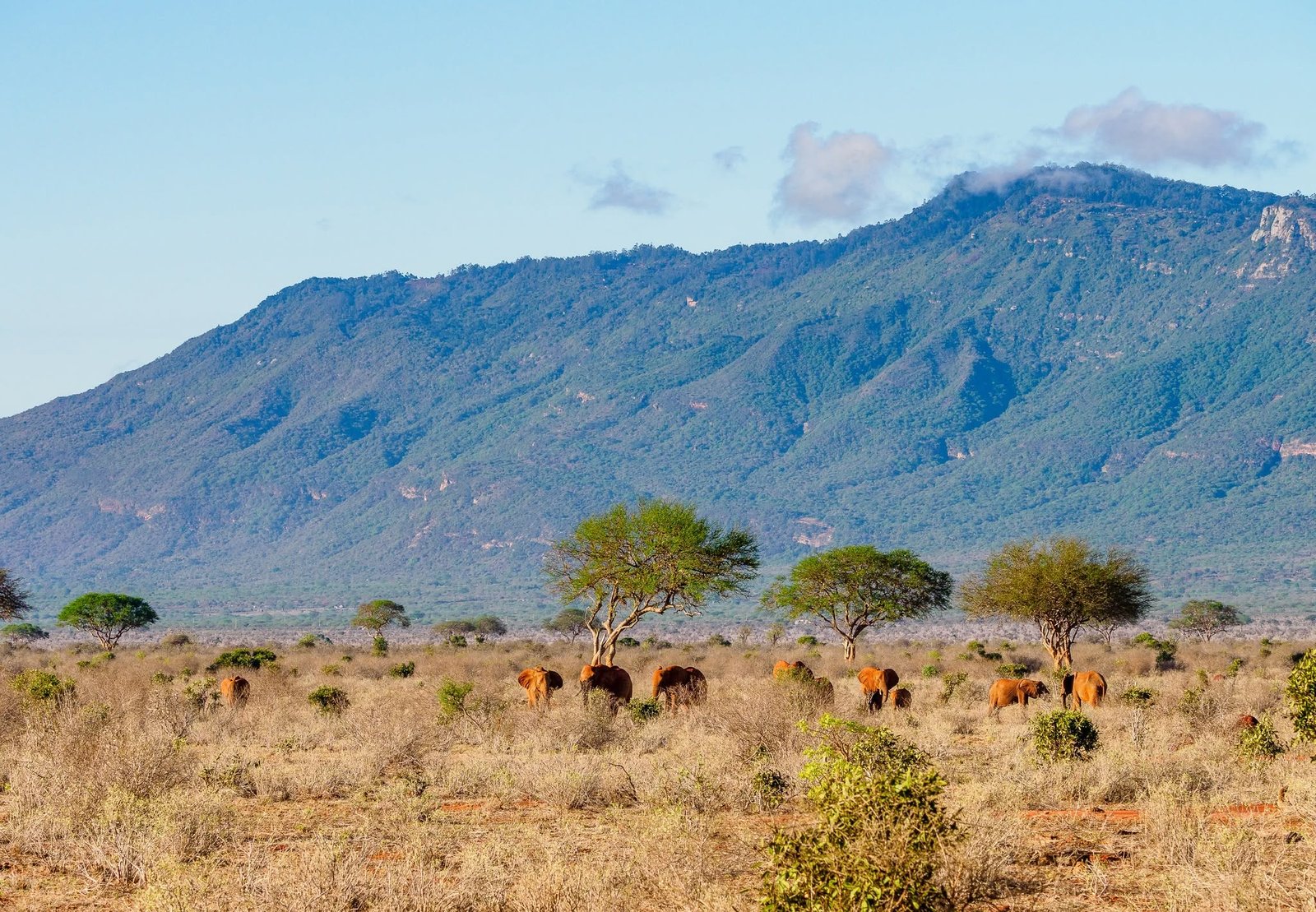
After breakfast, depart Arusha and drive toward Tarangire National Park.Tarangire is particularly photogenic because of its combination of open grasslands, woodland, seasonal wetlands, enormous baobab trees, and wildlife-rich river systems.After lunch, begin your first game drive.Photography opportunities may include:Elephant herds Giraffes Zebras Wildebeest Buffalo Impalas Lions Baobab treesAs the afternoon light becomes softer, concentrate on wildlife portraits, silhouettes, landscapes, and environmental compositions.Dinner and overnight near Tarangire.
Rise early for a full day dedicated to wildlife photography.The morning provides some of the best opportunities for photographing elephants and other animals in softer light.Your guide will help locate productive wildlife areas while allowing sufficient time to observe animal behavior.Photography subjects may include:Elephant PhotographyTarangire is particularly famous for large elephant herds.Photographers may capture:Family groups Mothers and calves Elephant portraits Herds moving through grasslands Elephants beneath baobab trees Bird PhotographyTarangire's diverse habitats also provide excellent bird photography.Possible subjects include:Eagles Hornbills Rollers Kingfishers Vultures Secretary birdsAfter a full day in the park, return to your accommodation.Dinner and overnight near Tarangire.
After breakfast, depart Tarangire and travel toward the Serengeti.The journey passes through the scenic Ngorongoro Highlands before entering the Serengeti ecosystem.En-route photography opportunities may include:Rift Valley scenery Highland landscapes Maasai communities Savannah panoramas Wildlife along the routeEnter Serengeti and continue with an afternoon game drive.The landscape changes dramatically as the vast plains begin to open before you.Dinner and overnight in Serengeti.
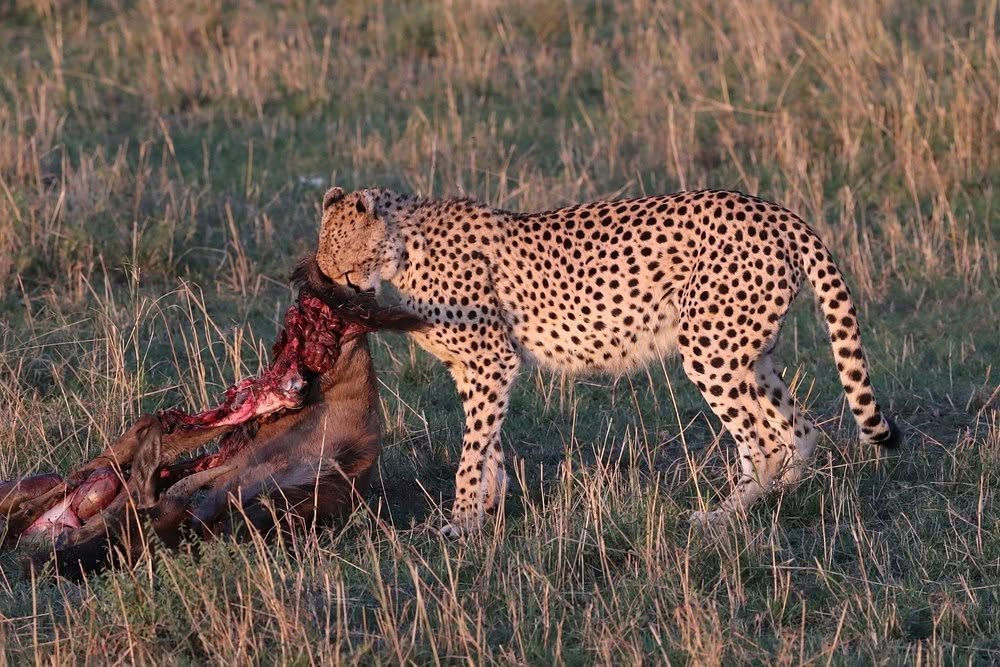
Today begins early with a sunrise game drive.The Serengeti is the centerpiece of the photography itinerary because of its combination of abundant wildlife, expansive landscapes, and exceptional predator opportunities.Possible photography subjects include:Lions Leopards Cheetahs Hyenas Elephants Wildebeest Zebras GiraffesDepending on the season and location of the herds, you may also encounter Great Migration activity.The afternoon continues with another extended photography session before returning to camp.Dinner and overnight in Serengeti.
Today is dedicated to predator photography.Begin early when lions, cheetahs, and other predators are often more active.Your guide will use knowledge of recent sightings, tracks, animal behavior, and the surrounding ecosystem to help locate wildlife.Photography opportunities may include:Lion prides Cheetahs on open plains Leopards Hyenas Predator-prey interactions Cubs and family behavior Hunting attempts Wildlife portraitsPatience is particularly important today. Rather than rushing between sightings, time can be spent observing behavior and waiting for stronger photographic moments.Dinner and overnight in Serengeti.
Spend another full day exploring the Serengeti.This day provides greater flexibility to move beyond predator photography and concentrate on storytelling images and environmental compositions.Possible subjects include:Wildebeest herds stretching across the plains Zebra formations Giraffes against the horizon Elephants in open landscapes Birds in flight Acacia trees Dramatic clouds Sunrise and sunset landscapesThe Serengeti's enormous scale allows photographers to combine wildlife with its environment, creating images that communicate the character of the ecosystem.Dinner and overnight in Serengeti.
Enjoy an early morning game drive before departing Serengeti.Continue toward the Ngorongoro Conservation Area, with opportunities for wildlife and landscape photography along the way.As you approach the crater highlands, the scenery changes from open Serengeti plains to forested and mountainous landscapes.Arrive at your lodge near the crater rim and enjoy spectacular views over the surrounding landscape.Dinner and overnight near Ngorongoro.
After an early breakfast, descend into the Ngorongoro Crater for a full-day photography safari.The crater is one of Tanzania's most concentrated wildlife environments and offers photographers opportunities to capture multiple species within a relatively compact area.Photography subjects may include:Black rhinos Lions Buffalo Elephants Zebras Wildebeest Hippos Hyenas Flamingos, seasonallyThe crater landscape itself provides exceptional photographic compositions, with open grasslands, wetlands, woodland, escarpments, and wildlife forming layered scenes.After the game drive, ascend from the crater and transfer to your accommodation in the Karatu area.Dinner and overnight in Karatu.
After breakfast, travel to Lake Manyara National Park for a final photography session.Lake Manyara offers a different photographic environment from the Serengeti and Ngorongoro.Focus on:Forest wildlife Elephants Giraffes Baboons Birds Wetland landscapes Rift Valley sceneryBird photographers may have opportunities to photograph flamingos and other waterbirds depending on seasonal conditions and water levels.After the game drive, depart for Arusha.Arrive in the afternoon, marking the end of your 10 Day Tanzania Photography Safari.End of safari.
June to October
The dry season generally provides excellent wildlife visibility, clear skies, and strong opportunities for wildlife photography.
January to March
This is an excellent period for photographers interested in green landscapes, young animals, and predator activity associated with the calving season in the Serengeti.
April to May
The landscapes are particularly green during the long rains, creating dramatic scenery and fewer tourist vehicles. Rain can, however, affect road conditions and photography schedules.
November to December
The short rains can produce vibrant landscapes, dramatic skies, and excellent photographic light, while visitor numbers may be lower.
Bring Multiple Lenses
A combination of a telephoto lens and a wider lens is useful for both wildlife portraits and environmental compositions.
Carry Extra Batteries
Long days in the field make spare batteries essential, particularly when photographing extensively.
Bring Plenty of Memory Cards
Wildlife behavior can change in seconds. Having sufficient storage means you do not have to delete images during the safari.
Protect Your Equipment
Dust, humidity, and occasional rain are part of safari photography. A protective camera bag or rain cover is recommended.
Be Patient
The strongest wildlife images often come from waiting for behavior rather than simply photographing every animal you encounter.
Yes. The itinerary is designed around wildlife photography, with extended time in productive areas, early starts, flexible game drives, and opportunities to work with changing light and animal behavior.
Yes. On a private photography safari, the schedule can be adjusted to spend more time at productive sightings, subject to park regulations and the guide's assessment of the situation.
The safari can be arranged with a guide experienced in photography-focused tours. Guides can assist with positioning, animal behavior, timing, and selecting productive areas.
A DSLR or mirrorless camera with a telephoto lens is recommended. A wide-angle lens is also useful for landscapes, environmental wildlife portraits, and the dramatic scenery of the Serengeti and Ngorongoro.
Yes, when migration herds are present in the areas visited. The timing and location of the Great Migration change throughout the year, so sightings and specific migration events cannot be guaranteed.
Early morning and late afternoon game drives are prioritized where permitted by park regulations and the location of your accommodation. Exact timing depends on park rules, seasonal conditions, and the daily safari plan.
Chat With Us on WhatsApp
With Love Travel WordPress Theme you will have everything you need to create a memorable online presence. Start create your dream travel site today.

Discover the World, one Full Adventure at a Time!

1080 Brickell Ave - Miami
United States of America
info@travel.com
Travel Agency +1 473 483 384
Info Insurance +1 395 393 595


